
Buy Less, Buy Better: Mihaela Ungureanu on Building EDOS and Redefining Sustainable Swimwear
For Mihaela Ungureanu, founder of EDOS, sustainability was never meant to come at the cost of style. Her brand's name, short for Endless Days of Sun/Summer, captures the feeling she set out to bottle: that easy, sun-drenched connection to the ocean, translated into swimwear that's as considered as it is beautiful. Before launching EDOS, Mihaela's path wound through political science, luxury brand management, and stints at Wolford and Net-a-Porter, where she absorbed lessons in craftsmanship, precision, and what it really takes to build a meaningful brand. That background now shows up in every EDOS decision, from choosing ECONYL regenerated nylon as the brand's signature fabric to designing pieces meant to outlast trends rather than chase them. In this conversation, Mihaela talks about the scepticism she still meets when people hear "sustainable swimwear," the lessons she's learned from customer feedback, and her hopes for a fashion industry where responsible production isn't the exception, but the standard.

1. What inspired you to start EDOS, and was there a specific moment that made you want to build a swimwear brand around sustainability specifically?
EDOS stands for Endless Days of Sun/ Summer, inspired by the feeling of endless summer and a life connected to the ocean.
The idea came from a combination of my passion for art, creativity, and the desire to create something meaningful. I've always seen fashion as a form of self-expression—a way to communicate personality, confidence, and individuality.
As I witnessed the impact the fashion industry has on the environment, I wanted to show that fashion can also be part of the solution. EDOS was born from the belief that beautiful swimwear can be created using sustainable materials and more responsible practices.
For me, choosing sustainably should never mean compromising on style, quality, or creativity.

2. Before EDOS, what was your path like, and what from your background ended up shaping how you run the brand today?
My journey before EDOS brought together different worlds: business, luxury, fashion, and sustainability.
I studied Political and Administrative Sciences before completing a Master's in European Affairs, which developed my analytical mindset, research skills, and strategic approach. I then followed my passion for fashion by completing a Master's in Luxury Brand Management at a European Business School in London, where I explored brand identity, storytelling, consumer experience, and what it takes to build meaningful brands.
Professionally, every role taught me something different. My experience at Wolford deepened my appreciation for craftsmanship, premium quality, and the attention to detail required to create exceptional products. Later, at Net-a-Porter, where I led the Translation Team across Mandarin, French, and English, I developed a real appreciation for precision, organisation, and delivering a seamless customer experience.
After launching EDOS, I continued investing in my knowledge by completing a sustainability course at the London College of Fashion. I believe learning never stops, and it helped me further understand the challenges and opportunities of building a more responsible fashion brand.
Looking back, every experience has shaped the way I approach EDOS today, combining creativity with thoughtful design, quality, and sustainability.

3. When people hear "sustainable swimwear," what do you think they usually picture, and how is that different from what it actually takes to make a piece?
Sometimes women are initially sceptical because they assume sustainable fabrics won't feel as soft or luxurious as traditional swimwear.
One of my favourite moments is when that perception changes after they try one of our pieces. They are often surprised by how comfortable, flattering, and premium the fabric feels. It reinforces my belief that sustainability should never feel like a compromise.
Sustainability is not only about the fabric. It is about the entire journey of the product—from sourcing responsible materials and choosing trusted production partners to the precision of the manufacturing process, reducing waste, and considering every detail, including sustainable packaging, recycled paper for our lookbooks, and responsibly produced hang tags.
Every decision matters. Creating a beautiful, high-quality swimsuit with a lower environmental impact requires thoughtfulness at every stage.
4. What made you choose ECONYL as the core material for EDOS, and how does it compare to traditional swimwear fabric in terms of feel, durability, and performance?
I researched several sustainable fabrics before choosing ECONYL because it offered the best balance between performance and sustainability.
Made from regenerated nylon waste, ECONYL feels every bit as luxurious as traditional swimwear fabric while offering excellent durability. It's soft, quick-drying, chlorine resistant, provides UV protection, and retains its shape beautifully over time.
For me, it was the perfect combination of innovation, quality, and environmental responsibility.
5. EDOS leans into slow fashion rather than seasonal drops. Why did you build the brand around timeless pieces instead of following swimwear trend cycles?
EDOS is built around the philosophy of "buy less, buy better."
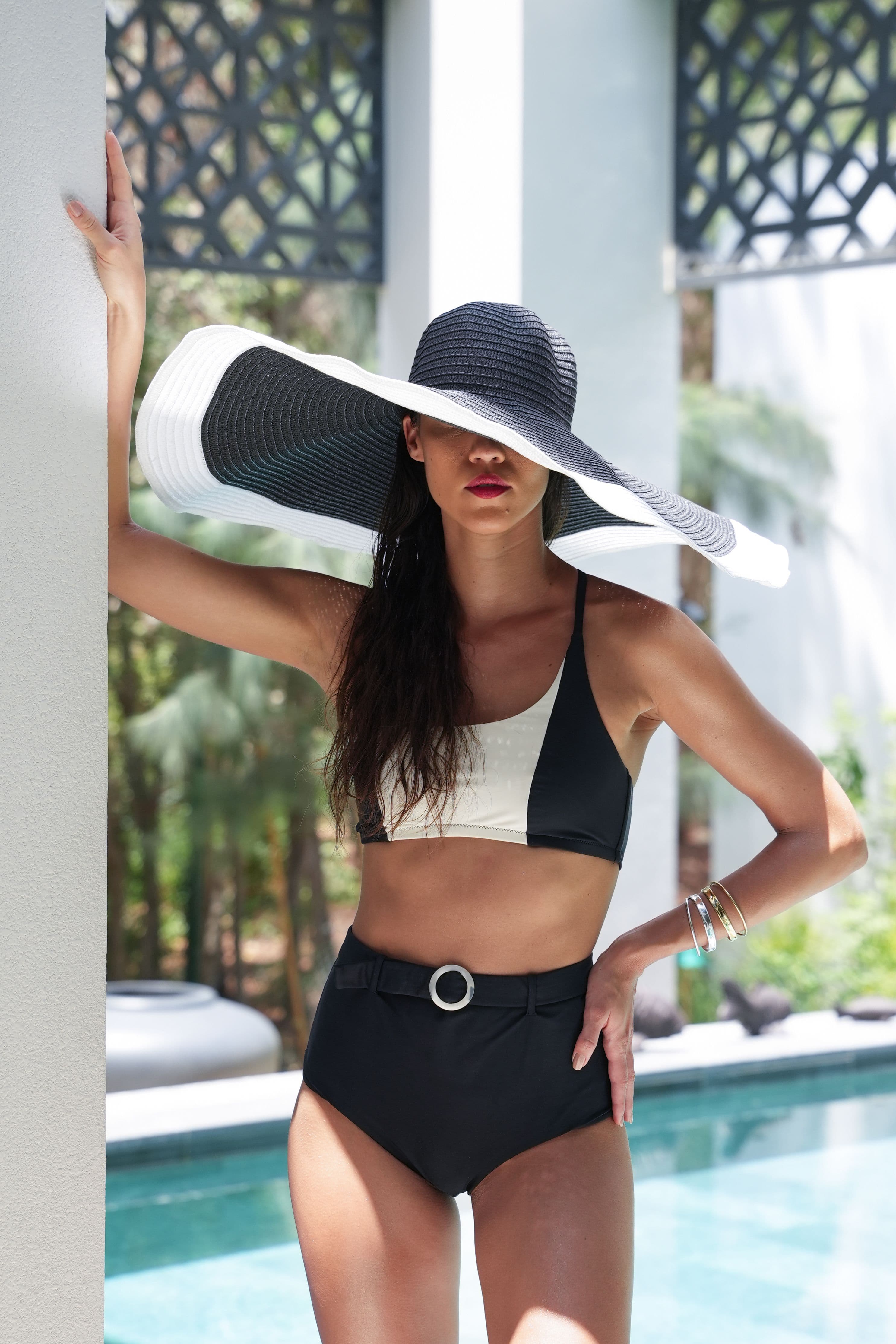
I wanted to create timeless pieces that women can wear and enjoy for years rather than just one season. Our swimwear is designed to be versatile—equally at home on the beach, by the pool, or styled as part of an everyday outfit.
To me, slow fashion is about investing in quality, craftsmanship, and thoughtful design that outlasts trends.
6. You've said EDOS is "not perfect, but always learning." What's an example of something you've had to rethink or improve since starting the brand?
One of my biggest lessons has been listening even more closely to customers. Every woman's body is different, and their feedback has helped me continuously refine the fit, comfort, and functionality of our designs.
At the same time, I am very involved in every detail of the brand. I personally review and approve each element to ensure it meets my expectations, from the quality of the materials and the precision of the craftsmanship to the overall customer experience.
We are also constantly looking for ways to improve our sustainability practices, whether through better packaging, new technologies, or more responsible production methods. Sustainability is a journey, and there is always something new to learn.
7. How have you seen the sustainable swimwear industry change since you first started EDOS, whether in materials, consumer awareness, or competition?
The industry has evolved enormously. There are more innovative sustainable materials, more colour options, and consumers are much more aware of the environmental impact of their purchasing decisions.
There are also many more brands entering the space, which I see as something positive. The more businesses embrace sustainability, the closer we get to making responsible fashion the standard rather than the exception.
8. Looking ahead, what's your vision, both for where you want EDOS to go and for what you'd like to see happen in the sustainable fashion niche more broadly?
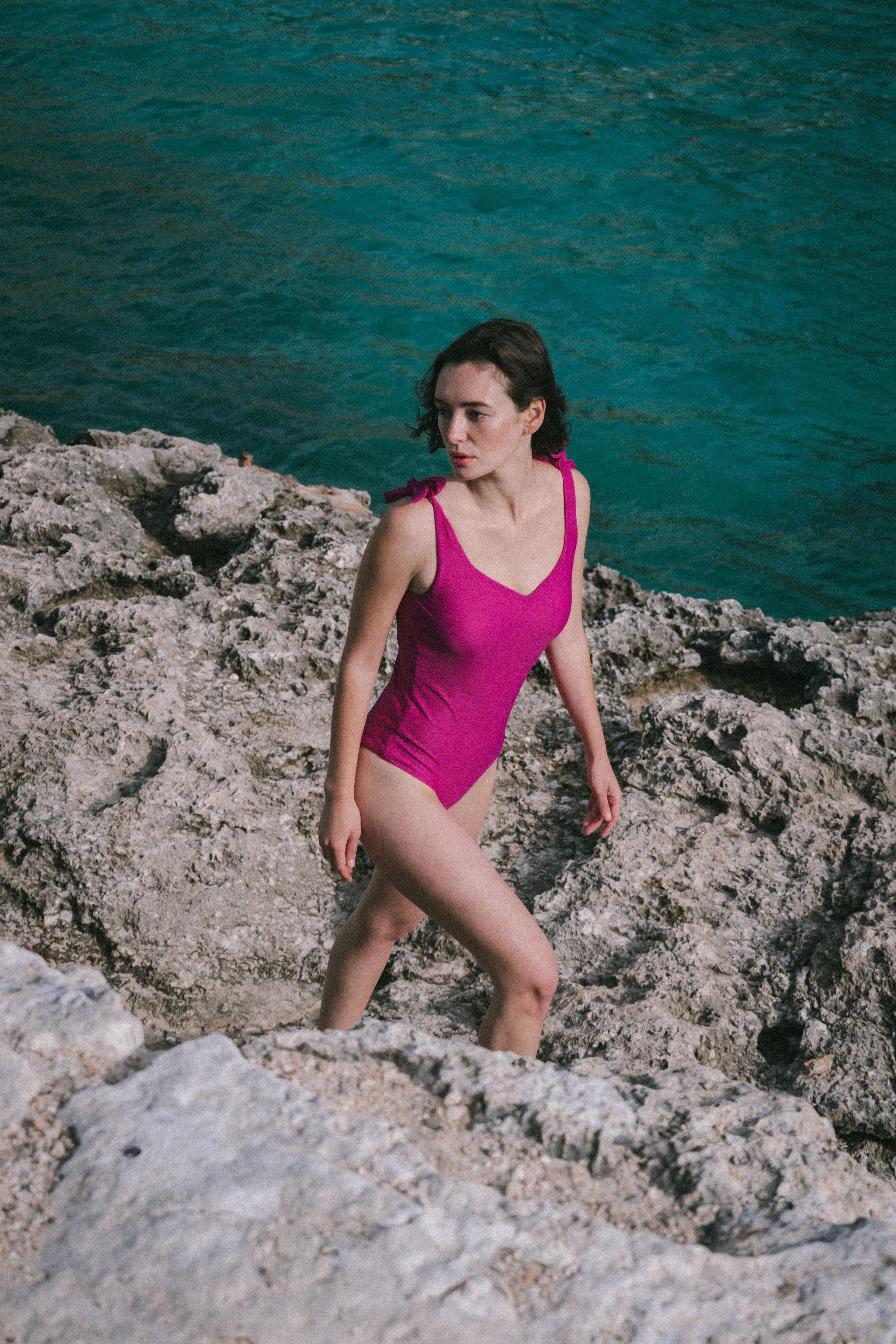
I want EDOS to continue growing while staying true to our values of quality, transparency, and sustainability. Most importantly, I hope to build a community of happy, confident women who feel good in what they wear and know they're making a more conscious choice.
For the industry, I'd love to see sustainable fashion become the standard rather than the exception, with circularity becoming an integral part of how products are designed and made. I also hope more manufacturers continue investing in sustainable materials, technologies, and production processes, making responsible fashion more accessible for brands of all sizes.
That's the future I hope EDOS can help shape.


