Beyond the Buzzword: Clinique La Prairie’s Carole Martin Roges on What Longevity Really Means
“Longevity” is everywhere right now. It’s in our feeds, on skincare labels, and in the plans of nearly every wellness brand. But behind the buzz there’s a harder question: how do we actually live well for the years we have, and how do we know whether what we’re doing is working?
Few people are better placed to answer that than Carole Martin Roges of Clinique La Prairie. The Swiss institution has been studying how the body ages since 1931, long before the word “longevity” was popular. Its Dubai Longevity Hub brings that expertise into the city, built not for a one-off retreat, but for the everyday follow-up that real change requires.
In this conversation, Carole explains why Dubai’s high performers face a particular kind of stress and why that stress can now be measured rather than guessed. She also covers the difference between a reset and lasting change, and why she believes the future of wellness isn’t just lifespan or healthspan, but “joyspan.” Her answers are honest and grounded in science, and they’re a welcome reminder that to change a human, you still need a human.

1. What made Dubai the right location for a Longevity Hub, and who is the typical client here? Are there specific demographic or lifestyle patterns, age, nationality mix, professional background, that set the Dubai audience apart from those visiting the flagship in Montreux?
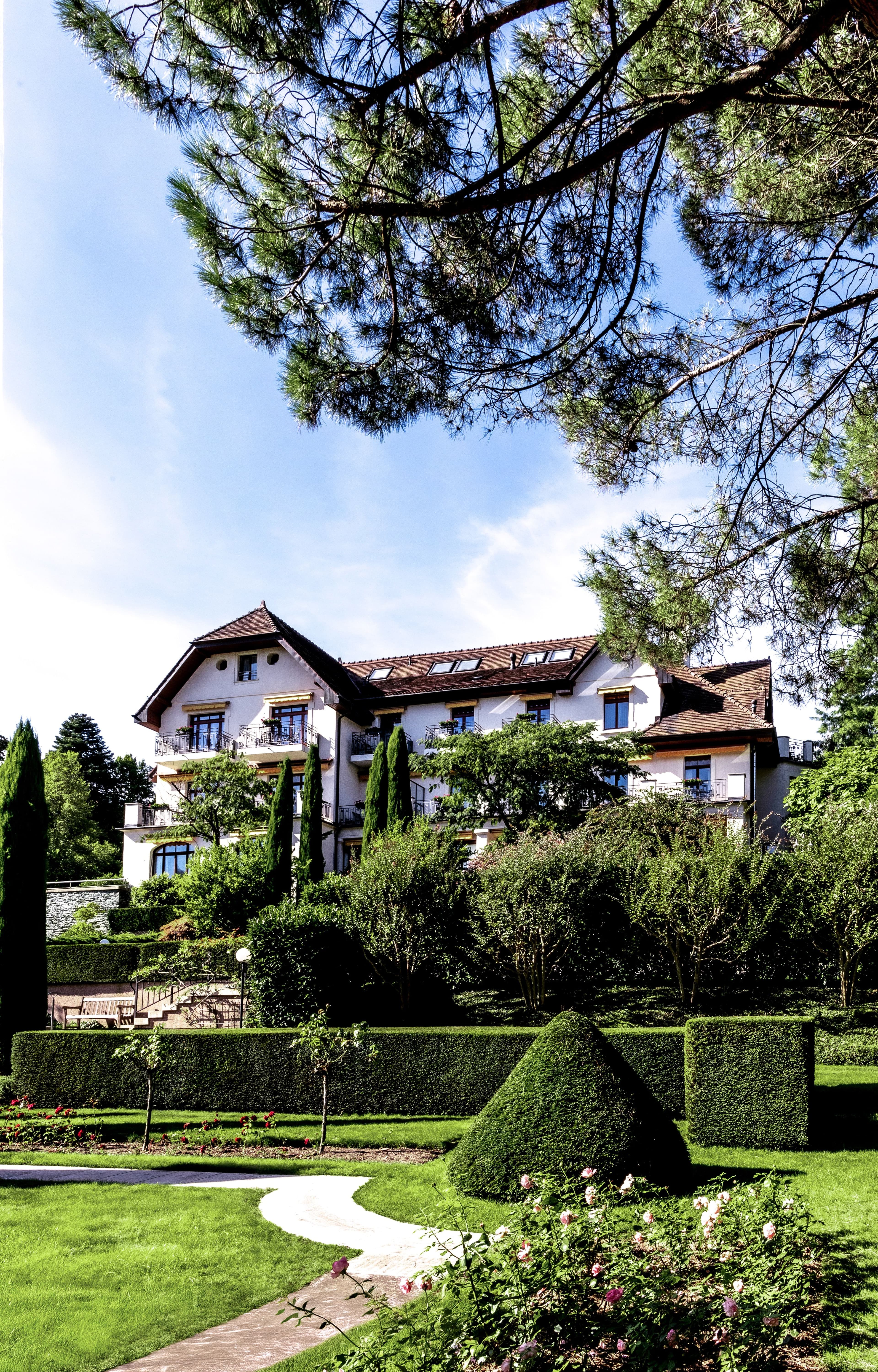
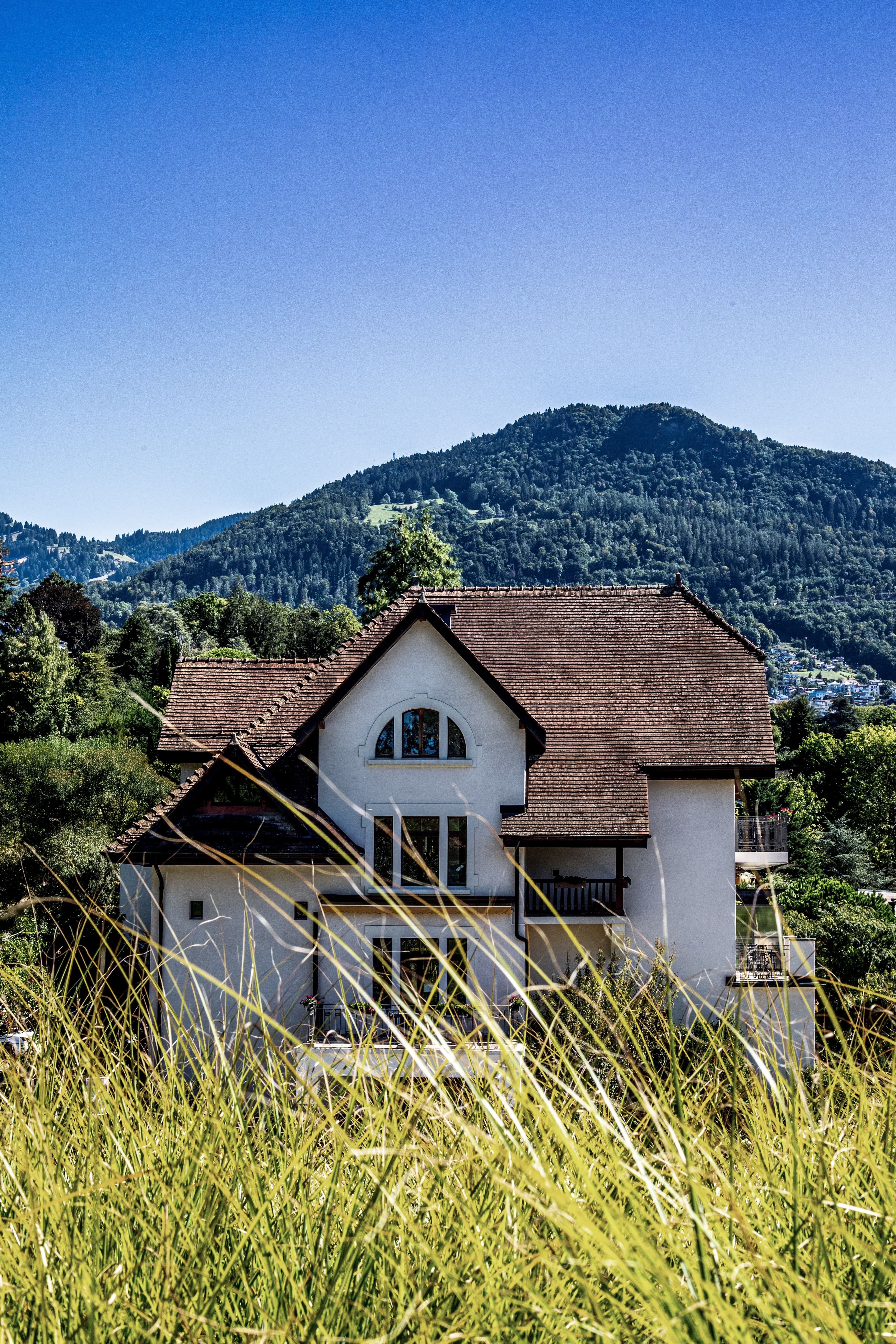
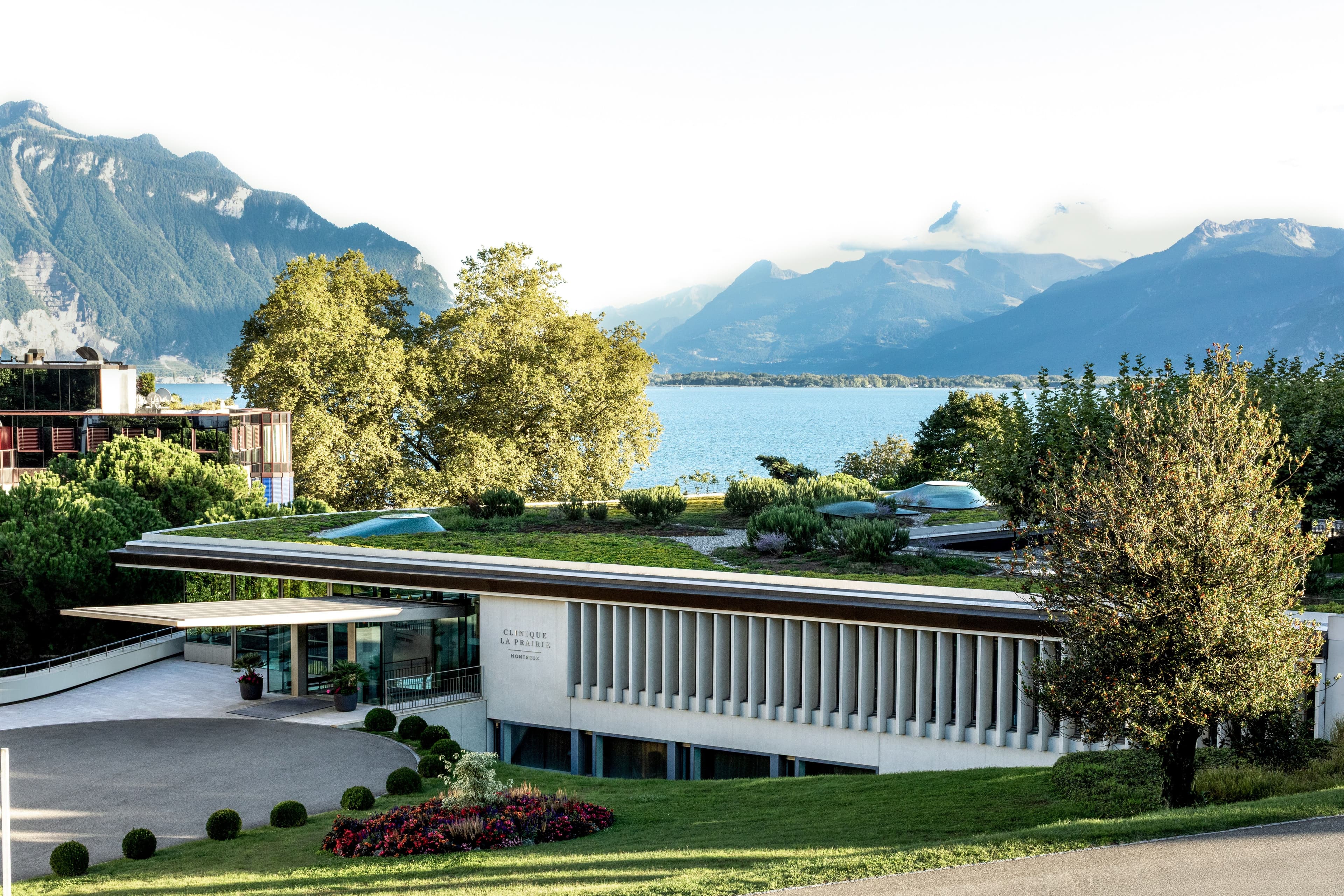
Before I answer, let me explain the difference between the two models, because it matters. Clinique La Prairie is our health resort, the institution we created in 1931 in Montreux: a fully-fledged hospital, a seven-day retreat, full immersion. The Longevity Hub is a different concept entirely, a Yoben centre, very city-oriented, built for daily follow-up.
The Hub exists because of a gap. About ten years ago, our CEO, Simone Gibertoni, sat down with Mr. Matley, who still owns the brand, we're not part of a fund or a big corporation, which is a real advantage. Simone told him: you have two options. Keep the institution as it is, 38 rooms, 1,500 clients a year, very comfortable, very profitable, and stay in Montreux. Or extend the mission. Not an easy question ten years ago. Mr. Matley chose to extend it, because the mission was never really about extending life. It's about making sure people live fully for the years they have.
We went back to our Montreux clients and listened. They told us two things. First: "I come here for seven days, I'm completely outside my life, I reset, it works, you transform me. But when I go home, I can maintain it for three months maximum, and then I lose myself. How do I follow up?" So, we were missing the follow-up. Second, and this one really struck me: people told us that once their mindset around longevity clicked, it stopped being an effort and became a conviction. And when it's a conviction, you don't want a "cheat day." You want a destination where you can spend your holidays without breaking that philosophy. That's exactly why we created the Longevity Hub.
Why Dubai specifically? A few things. First, the evidence at the state level is honestly stunning. I've worked in the cosmetics industry for fifteen years, and for me, Dubai is exactly what Korea is for skincare. Look at stem cells, this country was the first to move on stem cell authorization. That's the future of medicine. And then, find me another country that has created a government authority dedicated to longevity. They've understood that curing disease is a loss, for people, and financially, it's far more expensive to cure than to prevent. This state has been first mover on almost every single topic in longevity and health.
Second, there's a concentration of people here you don't find anywhere else, high performers, founders, CEOs, ultra-high-net-worth individuals, often the same people, living at an intensity that's genuinely not comparable to anywhere else in the world. These people need to look at their longevity, because of how intensely they're ageing.
In terms of the numbers: our average client here is around 37 years old. A good balance of local and expat residents, 41% UAE nationals. Professional profiles are heavily business leaders, senior executives, entrepreneurs. One figure I really like: it's 50-50, men and women, which is very different from what you typically see in the wellness or beauty industry.
We also looked at where our Montreux clients were actually based, eight, ten years ago, and 80% of them were in major cities: Bangkok, Madrid, Beijing, Dubai, soon New York, Sharm El Sheikh. That's what pushed us toward this city-based model in the first place. We opened in a hotel, because back then, before "longevity" even existed as a word, we thought the people caring about how they age were international travelers dealing with jet lag and recovery. So four or five years ago, more than 60% of our clients here were hotel guests. Today it's closer to 50-50, half hotel, half local residents. And, even during a difficult period regionally, when we expected the business to collapse, our top line actually outperformed the same period the year before. Because local clients want to be pampered, but they also genuinely track what's happening to their health.
2. Stress has traditionally been seen as something subjective, a feeling rather than a fact. What's changed, technologically or clinically, to make it something you can now measure and monitor objectively as part of a longevity program?
This is really the heart of what changed the whole game for us, and I'll give you a very personal example. When I joined Clinique La Prairie a few years ago, I did a full assessment in Switzerland. I grew up in a small village in France, very slow-paced, farming environment, and I genuinely considered myself a stressed woman. I was convinced that stress was impacting my whole health, especially my heart.
My data showed nothing. Based on my actual biomarkers, there was no impact. So even though I felt stressed, I had built a kind of common-sense interpretation of myself that wasn't backed by anything real. That's the shift: you can create your own narrative about your health without data, and it can simply be wrong.
Chronic stress drives inflammation, what's now called inflammaging, and that's what we actually measure. We use glycan screening, which looks at chronic inflammation at a molecular level, and ceramide screening, which assesses cardiovascular risk over a long horizon. We have exclusivity on parts of this. Once you can measure it, you can intervene precisely, rather than guessing.
What's really changed isn't any single device, it's the ability to follow the same person across months, not a single snapshot. One measurement tells you almost nothing. The same measurement repeated over a year tells you whether someone is recovering or accumulating damage.
I'd frame this through what the whole industry now defines as the 4 Ps of longevity. Preventive: you act before disease shows up. To do that, you need to predict, and to predict, you need to measure, properly, not guess. Predictive: actionable biomarkers, not just interesting ones, we don't test for things we can't act on. Personalized: there was a landmark study a few years ago showing that more than 80% of how you age is determined by lifestyle, not genetics. It's epigenetic, not fatalistic. So, the one-size-fits-all approach, the magic pill, simply doesn't work. And Proactive: there's a study showing six out of ten wellness-minded people would rather get a full-body analysis than a luxury spa day, but only about a third of them actually act on the results afterward. That's the real gap in this industry, it's not a oneness problem anymore, it's a follow-up problem.
3. For clients based in Dubai, what does the shift from an annual "correction" trip to Switzerland toward a continuous 12-month journey actually look like on the ground? What's delivered locally at the Hub, what happens remotely, and what still requires an in-person visit to the flagship in Montreux?
These are really two different concepts, and you get the most effective outcome when you combine them, but they're not interchangeable.
When you come to Montreux, or to our health resorts, you are fully outside of your life. The entire objective of those seven days is to reduce inflammation at the cellular level and boost your immune system, so that whatever comes at you afterward doesn't hit you as hard. I have lunch with our Montreux clients regularly, and the comment I hear most, from people who are 75, 80 years old, is simply: "I'm never sick." That's it. No chronic disease weighing on them, a functioning brain, a great conversation. That's the most meaningful feedback I can get.
Dubai is about the follow-up, how what we've put in place actually changes something over the next six months, not the next morning. In Montreux you have full accommodation, a fully-fledged hospital, 30 doctors in residence, every expertise under one roof, you move from appointment to appointment through our four pillars. Here, you don't have that same hospital setup, but you do have practitioners across the same four pillars: movement, nutrition, medical (GP, functional medicine), and wellbeing, psychologists, gynecologists.
Our methodology is the same five-step process everywhere, whether it's a seven-day retreat or a Hub membership. First, the in-depth assessment, over 300 actionable biomarkers, blood work, DNA, microbiota, epigenetics. Actionable means we don't test for things we can't do anything about, we're not screening you for Alzheimer's risk if there's no intervention available. Second, prediction, we run your data through our internal model, built with our medical and scientific committee, and show you your trajectory, essentially, your biological age, and where you're headed over the next ten years if nothing changes. Third, intervention through our four pillars, nutrition, medical, movement, and wellbeing. If your cardiovascular risk is high, we never address that from a purely medical angle, we work all four pillars together. Fourth, measurement and follow-up, we come back to those 300 biomarkers, typically annually, and we look again: is your biological age actually decreasing? This is the step where a lot of longevity brands fall apart, because they never close that loop.
One concrete example of what stays in Montreux: our CLP Extract, a drinkable revitalization solution you take twice a week as part of our utilization protocol there, it's built into that specific routine and setting, you can't get it here.
4. Dubai's pace of life, climate, and work culture create a particular kind of stress and mental load. How is that captured in your monitoring, and does it require a different approach than what you'd design for a European client?
The framework is identical everywhere, but the priorities shift by location, and Dubai is a very good example of that. Life here has particular characteristics: a working rhythm with very few natural pauses, several months of the year spent largely indoors, frequent travel across time zones, and, for a largely expatriate population, distance from your extended family, the structures people elsewhere lean on without even noticing.
That last point matters more than people expect. Belonging is a health variable. It's not a soft one. We launched a program around this about a year ago, called Life Reset, addressing mental wellbeing through nine hallmarks structured like a pyramid, a bit like Maslow's, where love and social connection sit at the base. Longevity without mental wellbeing simply does not exist. The impact on your cellular level, if you're not feeling good, is massive, and that's exactly why chronic stress and anxiety are things we now measure rather than just discuss.
That's why Dubai is, honestly, high performers under a level of chronic stress you can't easily imagine, but not necessarily willing to spend a minute on something they can't see. They're not dealing with a visible problem; they're being asked to invest in something silent happening in their body. That's why measurement changed everything for us. If you don't measure it, you don't know, and if you don't know, you can't act.
Because of that profile, stress and skin are our second-largest membership category in Dubai, after longevity itself. Once high performers here decide to act, they act with real discipline and commit to the twelve-month membership. Beijing is our other big membership market, but for a completely different reason, Chinese clients, generally speaking, want the magic pill, they want us to remove the appointments and the effort and just give them the drinkable solution. That's not what we deliver.
There's also a cultural dimension to this. A direct, clinical framing, telling a high-performing client they're visibly carrying stress, rarely opens a productive conversation here. Leading with data changes that entirely: when someone can see their own biomarkers, mapped with precision, it becomes a conversation grounded in evidence rather than opinion, and people engage with it very differently. The same principle applies to nutrition. Rather than asking a family to scale back a shared meal, we focus on preserving that ritual, a full table, everyone gathered, while shifting what's actually served toward anti-inflammatory, antioxidant choices. It's a way of educating without confrontation. Multidisciplinary support, including psychological care, is essential in this approach, and we're mindful that conversations around mental health still carry more sensitivity in this region, so we introduce that support thoughtfully.
5. The Montreux clinic integrates longevity protocols with a natural, lakeside setting that's central to the CLP experience. Dubai is a dense, fast-paced urban environment with a very different relationship to nature. How does that change the way longevity and wellness get delivered and interpreted here, and do you have to compensate for the absence of that natural setting in any way?
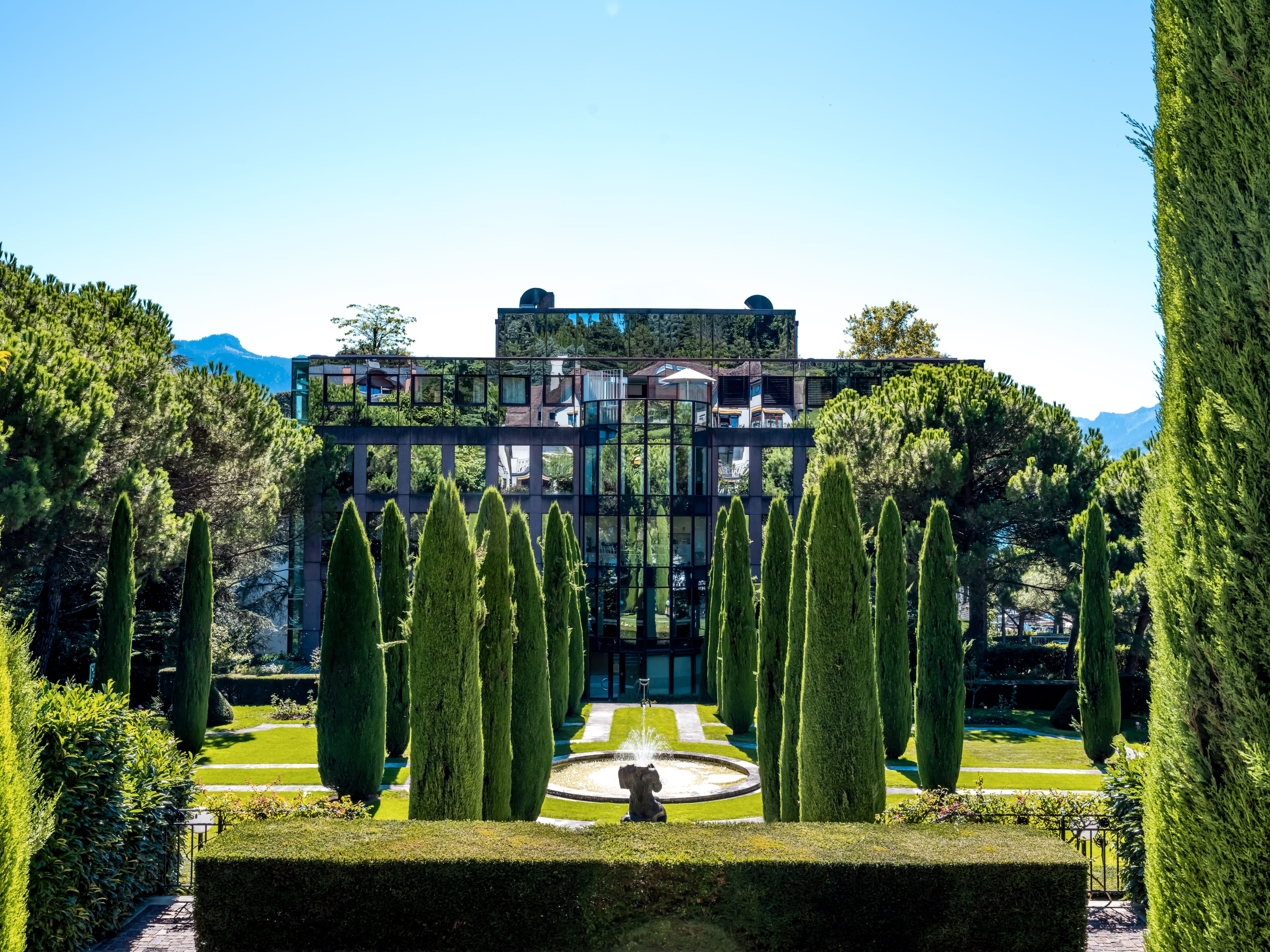
These are two different products doing two different jobs, and I wouldn't try to reproduce Montreux here. In Switzerland, or in our upcoming health resorts, the natural setting isn't decoration, it's part of the mechanism. It removes you completely from your own life, and that removal is what makes the reset actually work. You can't recreate that in a city.
You see the same principle everywhere we build a health resort. Mountains in Switzerland. Tea plantations at our resort in Anji, China. In Phuket, opening in November, we're around a lake in the middle of the forest, with a meditation path around it, not on the beach, which surprises people. And in Saudi Arabia, our Amala project opening March 2027, it's right on the Red Sea, in front of one of the most beautiful, well-preserved reefs I've ever seen. That setting heals, in its own right.
Dubai is intentionally different, by design. The Longevity Hub belongs in an urban environment, it works inside your life rather than removing you from it. So rather than trying to compensate for the absence of nature, we lean into what's genuinely relevant here. Performance and aesthetics are a huge part of how people engage with their health in this city. I actually think that's a valid entry point, not a superficial one. I had a conversation recently with a brilliant surgeon, now an aesthetic doctor, who told me she felt aesthetics wasn't "real" longevity. I disagreed completely. If you need to feel confident in how you look to engage with your wellbeing, that can absolutely be the beginning of longevity. So yes, we have well-known aesthetic doctors here, and our fitness gym sits right below the clinic, because that's genuinely part of how people in this city live and engage. You meet people where they are, then you expand the conversation from there.
6. What tools, biomarkers, or diagnostics are actually available at the Dubai Hub to measure stress and mental load objectively?
Much of what I mentioned earlier applies directly here. On the measurement side, glycan screening for chronic inflammation, and ceramide screening for cardiovascular risk, both part of our biomarker work. We also run a Wellbeing Index Assessment, which looks at mental and emotional health, combined with a subjective questionnaire, how you actually feel matters too, and, where needed, a psychologist is directly involved.
On intervention, we have several tools specifically for stress. AudioVitality, sound-based healing, and integration through the autonomic nervous system. Sleep-focused therapies, because sleep has such a direct impact on stress and overall health. Cryotherapy, which supports recovery and reduces inflammation. Targeted massage. And, obviously, antioxidant and anti-inflammatory nutrition.
But the principle matters more than inventory. Every measurement has to inform a decision. If a number changes nothing, we don't need it, and honestly, we don't need to show it to a client either. Switzerland has recently identified something called longevity fixation syndrome, anxiety generated by over-optimizing for a long life. Measurement should reduce anxiety. It should never manufacture it.
7. Longevity and wellness have become highly visible trends in the UAE recently. How do you make sure the Dubai Hub's approach, grounded in continuous, objective measurement, stands apart from more trend-driven or superficial offerings in the market?
Anyone can buy the same machines I can. That's not where the difference lies. It lies in what happens during the eleven months when nobody is trying to sell you anything.
The demand is real, searches for "longevity" have roughly tripled in the past year, and six in ten wellness-inclined people would choose a full-body scan over a luxury spa day. But only about a third of them act on what they find. That's not an awareness gap. That's a follow-up gap.
A lot of the brands jumping into this space right now come from fitness or from hospitality, both have enormous budgets and know how to build community and awareness, and honestly, they're smart about it. But you don't need doctors to do that. You don't need a scientific background. What you need to actually address longevity properly is a full team, doctors, nutritionists, psychologists, gynecologists, movement coaches, and that's expensive, and slow, and it's not something you can build overnight just because there's money on the table.
The way I test it is against the same 4 Ps: Predictive, Preventive, Personalised, Proactive. If a brand approaches you and tells you what to do without first looking at what's actually happening in your body, run away. That's not longevity, that's a guess.
We're also very disciplined about who speaks for us. Every event we hold is with a doctor, a real expert. We don't let anyone else become our spokesperson, because the moment someone says something that isn't backed by science, you lose your own credibility. I'd honestly rather have a handful of credible articles a year than chase every headline. I saw a well-known longevity skincare campaign with a celebrity's face recently, and look, it doesn't mean anything, scientifically. That's a marketing device, not longevity. We choose to resist that kind of growth, to stay credible.
8. You've been in this industry long before "longevity" became a mainstream buzzword. Now that everyone from tech founders to influencers is talking about it, how do you see the space evolving, and what does true longevity mean to you personally, versus what has now become a trend?
I want to be precise here, because the easy thing to say is "we've been doing longevity for ninety-five years," and honestly, that's exactly the kind of claim this category should be wary of. The vocabulary is new. It's really only arrived in the last few years. What's stayed continuous for us is the underlying question, how does the body age, and how can you influence that trajectory, through long stretches when this wasn't a fashionable topic at all.
Do I think it's a problem that so many new brands are entering this space right now, some of them opportunistically? Not entirely, honestly. Every new entrant creates awareness, and in fast-growing markets like Saudi Arabia, where the opportunity to build strong preventive health habits early is enormous, even imperfect awareness has value. What concerns me isn't that the word gets used a lot. It's when it gets used without substance behind it, longevity skincare that means nothing scientifically, a celebrity-fronted campaign borrowing the term. That's not longevity, it's longevity-washing, and I'd rather we avoid that phrase altogether and just hold the line on what actually counts: the 4 Ps, real data, real personalization.
What I think people still misunderstand is this idea that mental wellbeing means being happy all the time. It doesn't. It's about how you move through life, equipped to deal with what you encounter, not analyzing everything, not eliminating discomfort, welcoming what you're living and learning to go through it. That's genuinely what transcendental meditation teaches, for instance. And I think we've done a good job over the last few years connecting lifespan and healthspan. The next conversation, the one I'm really thinking about now, is “joyspan”. Because there's a real risk right now that longevity gets reduced to optimization, discipline, tracking, restriction, and that's not enjoyable, and it's not actually the point.
Our mission from day one has been to bring life to years, not simply years to life. That's why I remain convinced that you cannot do this with devices and algorithms alone. To change a human, you need a human, someone interpreting your data for you, sitting with you, helping you mature your understanding over time. That's the piece I don't think the industry should ever automate away.