
The Wellness Revolution: How AI and Biotechnology Are Reimagining the Future of Health at GITEX 2025
GITEX 2025 showcased a powerful convergence of AI, biotechnology, and digital health, revealing how emerging technologies are reshaping the future of wellness. From gene-editing breakthroughs to brain-computer interfaces and predictive health systems, the event highlighted a shift toward intelligent, preventive, and deeply human-centred healthcare.

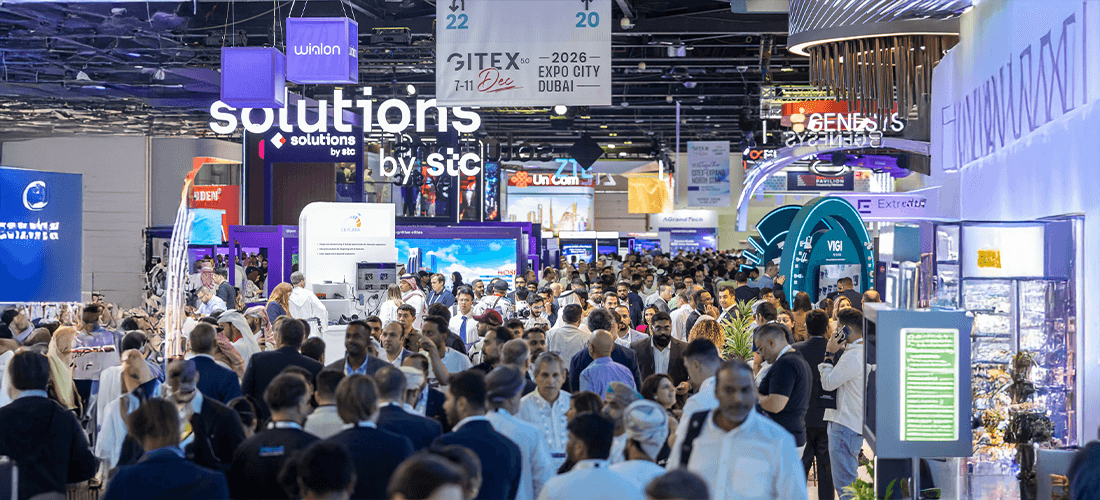
By Veronica Carpio, Editor at The Wellness Collective At GITEX 2025 in Dubai, the lines between science fiction and medical reality grew ever thinner. The world’s largest technology and AI showcase brought together pioneering minds from biotechnology, neuroscience, and digital health — and the result was nothing short of revolutionary. From lab-grown cures for genetic diseases to quantum-powered drug discovery, this year’s event unveiled innovations that could transform the way we understand health, longevity, and the human experience.
A New Era of Digital Health
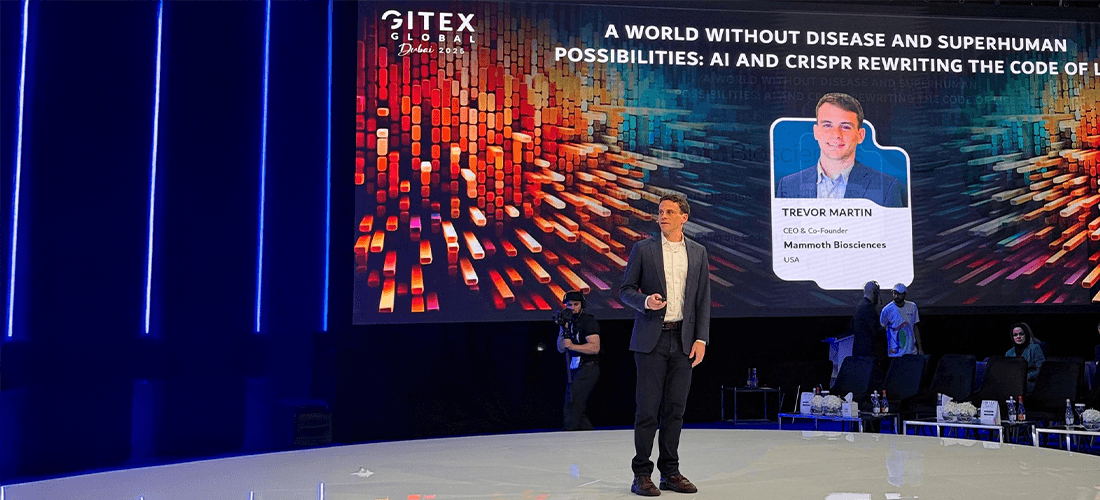
In the buzzing halls of the Dubai World Trade Centre, the spotlight turned to the life-changing potential of AI-powered medicine. Trevor Martin, CEO and Co-Founder of Mammoth Biosciences, captivated audiences with a bold vision: “a world without disease.” His company’s work fuses AI with CRISPR gene-editing to rewrite the code of life — literally. “We have over eight programs across liver, muscle, and brain, where we’re actively working on curing genetic diseases,” he shared. “We’re starting with rare conditions, but there’s no reason to stop there. Imagine how many millions of lives this could save.” From decoding DNA to decoding thought itself, the conversation expanded into the frontiers of neurotechnology. Paradromics CEO Matt Angle revealed how brain-computer interfaces are restoring lost abilities — a breakthrough that could soon help patients who cannot speak to communicate again. “With a high-data brain-computer interface, someone can just try to speak — and it turns into speech right away,” Angle said, describing a milestone that blends compassion with cutting-edge science.
Nature, Quantum, and the Next Frontier of Medicine
The race to uncover the body’s next great healer isn’t confined to humans. Fauna Bio’s CEO, Ashley Zehnder, is exploring the genomes of resilient animals — like the spiny mouse that can regenerate spinal cord and kidney tissue — to unlock a “drug library” hidden in evolution itself. “We’re really just hitting the tip of the iceberg,” she said, hinting at a future where nature’s blueprints inspire tomorrow’s therapies. Meanwhile, quantum computing is accelerating discovery at unprecedented speed. SandboxAQ CEO Jack Hidary explained how quantum algorithms are collapsing the time needed for pharmaceutical research from decades to mere months. “We’ve built a virtual simulator for atoms,” he said. “You can test molecules millions of times, fast.” The implications are enormous — faster treatments, reduced costs, and a new model for sustainable innovation in medicine.
From Sick Care to Health Intelligence
While the breakthroughs dazzled the audience, the conversation also turned to the bigger picture: transforming how healthcare itself operates. Dimitris Moulavasilis, Group CEO of M42, and Dr. Georges-Pascal Haber, CEO of Cleveland Clinic, challenged the status quo. “Today’s systems are treatment-oriented, hospital-centric, and reactive,” said Moulavasilis. “We need prevention-focused, resilient systems that keep people healthy — not just treat them when they’re sick.” This shift toward “health intelligence” mirrors a global awakening — that wellness isn’t just about curing disease, but predicting and preventing it through data, AI, and holistic insight.
Wellness Meets Innovation
Across the exhibition floor, global tech giants and startups showcased the tools shaping that vision. Siemens demonstrated AI-powered systems optimizing hospitals and smart buildings for energy efficiency. Snowflake unveiled real-time data intelligence to help health organizations make faster, more secure decisions. In one of the show’s most futuristic moments, XPANCEO introduced smart contact lenses with built-in augmented reality and health sensors — capable of tracking glucose levels or projecting live information into your field of view. It’s a glimpse into a world where wellness is wearable, intuitive, and integrated into everyday life. Startups also made waves with practical health applications: Sharedpro Technologies presented an AI-based tool for early autism screening, while Arlan Biotech showcased a GenAI-driven platform reinventing antibody discovery.
Building Smarter, Healthier Cities
In a forward-looking collaboration, Dubai Municipality and Cisco announced a strategic partnership to power the next generation of smart, data-driven cities — a move that promises to enhance not just infrastructure, but quality of life. As digital health, biotech, and AI continue to intertwine, one message echoed throughout GITEX 2025: the future of wellness is intelligent, interconnected, and deeply human. From decoding genes to restoring speech, these innovations are not just advancing science — they’re redefining what it means to live well.


