
Longevity Reconsidered: Dr Jaffer Khan on the Future of Healthy Ageing
As longevity takes centre stage in modern healthcare, the focus is shifting towards understanding how we can maintain our health, vitality and quality of life as we age. Dr Jaffer Khan, Founder and CEO of AEON Clinic at Atlantis the Royal and Aesthetics International, explores the evolving role of regenerative medicine, personalised healthcare and everyday lifestyle choices in shaping a future where living longer also means living better.

Longevity has become one of the most talked-about subjects in modern healthcare, but as our understanding of ageing evolves, the conversation is shifting beyond simply adding more years to life. Increasingly, the focus is on healthspan: how well we live those years, how long we maintain our physical and mental capabilities, and what can be done today to support better health in the future.
For Dr Jaffer Khan, Founder and CEO of AEON Clinic at Atlantis the Royal and Aesthetics International, this means looking at health through a much broader lens. With a background in plastic surgery and a focus on regenerative and aesthetic medicine, he believes the future lies in bringing together preventative healthcare, cellular health, advanced treatments and lifestyle medicine.
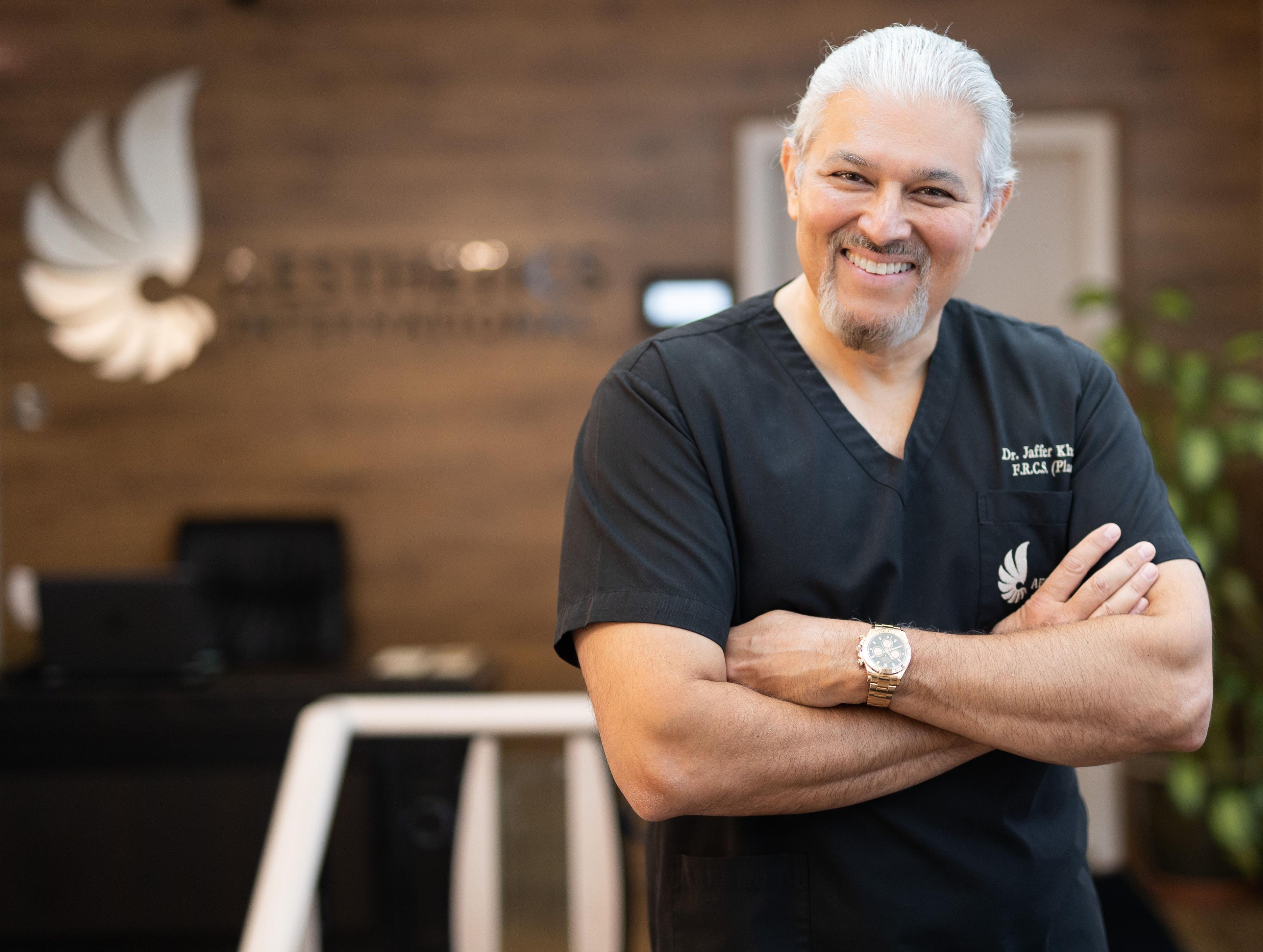
At AEON Clinic, this philosophy is reflected in an approach that places greater emphasis on evidence-based protocols, measurable health outcomes and understanding how the body changes over time.
From the growing role of wearable technology and personalised healthcare to the promise of regenerative therapies and the importance of sleep, movement and social connection, Dr Khan shared his insights at The Next Generation Medicine 2026 Congress on how healthcare is evolving and why the focus should be on more than simply extending lifespan: it should be about helping people live healthier, better lives for longer.
Longevity has become one of the biggest conversations in modern healthcare. From your perspective, what does living longer actually mean today?
I think we’re all clear about what living longer means because we’ve seen that the average lifespan has increased by around 10 years. However, those additional 10 years are usually spent in poor health, so lifespan is not the question; it’s healthspan.
Healthspan means how long we’re going to live well towards the end of our lives. Research has shown that, on average, the last 10 years of life (although this varies between countries) are not lived well. The aim is to change that.
You’ve been at the forefront of regenerative and aesthetic medicine. How has the industry evolved over the years, and what do you think will be the biggest breakthroughs in the near future?
As far as the aesthetic industry goes, when we as plastic surgeons talk about regenerative medicine, what we really want, and what would be the most iconic development for us, is scarless wound healing.
In other words, we want to be able to change the direction of fibroblasts so they produce cells that are more in harmony with the rest of our body. I think scarless wound healing is something we’re really looking towards and it’s something that will happen in the future.
For the moment, our clients want to look better, feel better and look younger. The whole idea is also for them to feel that they’re not just looking better, but feeling better. Cellular health therefore becomes very important.
We all understand the importance of sleep, diet, exercise, stress levels and so on because there is a lot of information available about these things. That’s all good, but when we add the regenerative layer on top, essentially the functional medicine aspect involving peptides, exosomes and stem cells, which we call the next layer of regenerative medicine, we enter an area where some treatments currently face significant regulatory hurdles because there isn’t enough data to support their effectiveness.
I see these as the future, although they are already part of the present. I don’t think they’re particularly well used at the moment. Most are not regulated, but the public’s enthusiasm for them suggests that something may be working. I see these as the future because I believe they need better regulation and more scientific studies.
How do you think people have moved from reactive medicine towards taking a more proactive approach to their health and wellbeing?
I think people are more involved. You can see a growing number of people wearing wearable devices. At a lecture this morning, perhaps 60, 70 or even 80 per cent of those registered in China were using them.
Firstly, people want to see which parameters are changing on a daily basis. They like to be reminded that they haven’t taken enough steps or haven’t had enough sleep, because we don’t usually think about these things. Having something prompt you in a positive way, particularly through artificial intelligence, helps to remind people.
The second thing is that people want more explanation about their care pathway. For example, they need a dedicated care plan from their physician, who should be monitoring them over time.
We don’t like episodic care. In other words, don’t come to the doctor only when you have a problem. Come for regular follow-ups, what we call concierge medicine, so we can look at your trajectory, understand where you’re heading and determine whether we can stop or prevent something that might happen later.
I think that’s the key. We’re also increasingly understanding that epigenetic influences and the environment play a very important role in our lifestyle.
We’re seeing an increasing conversation between aesthetic medicine, preventative healthcare and longevity. How do you see all these disciplines coming together?
That’s a good question, and a rather complicated one. I believe they all belong in the same group, but comprehensively bringing them together is the challenge of the future.
As a plastic surgeon, I’ve seen individual cases where people come in for aesthetic enhancement, while when you go to your doctor, you’re looking for other things. I think the two areas are beginning to merge quite well because the person who wants to look good also wants to feel good, and vice versa.
So, how do we bring about a bigger change? We’re looking at that through another panel called the Human Exposome Project. In other words, how can governments build guidelines around the materials being used, air quality, water quality and open spaces? How do all these things change our basic health patterns? The answer is that they probably do, but we need to be able to measure those effects as well.
Then there’s mental health, which is very much part of what we do, and sports medicine because people want to learn how to keep moving for longer and better. I believe the clinic of 2030 will have everything under one roof. We’re aspiring to do that at AEON as well.
What does longevity really mean to you, and what principles do you follow for your own health and wellbeing?
I think the term longevity, or healthy longevity as I like to call it, has become quite loose. It’s almost like wellness was five years ago. It incorporates a lot of things.
Whether you do red light therapy, a sauna, hyperbaric oxygen or ozone, it’s all good. The question is whether it provides a feel-good factor, and that’s great. Our job at AEON is essentially to look at evidence-based medicine, create protocols, test and try those protocols, change things where necessary, and establish tangible, measurable parameters (biological parameters or biomarkers) that allow us to see whether what we’re doing is actually changing someone’s internal environment or cellular health.
Once we’ve done that, we have real-time evidence. If you ask me what longevity means personally, I think there’s a first layer: I try to exercise as much as I can, sleep well, avoid alcohol and manage stress levels, which we learn to control over time.
Social connection is equally important, with research increasingly highlighting its positive impact on both lifespan and healthspan. When combined with emerging treatments such as exosomes, peptides, stem cells and other cellular therapies, it becomes part of a broader approach to supporting healthier ageing and improving quality of life in the years ahead.


