Inside KHUN, Fujairah’s 48-hour wellness reset
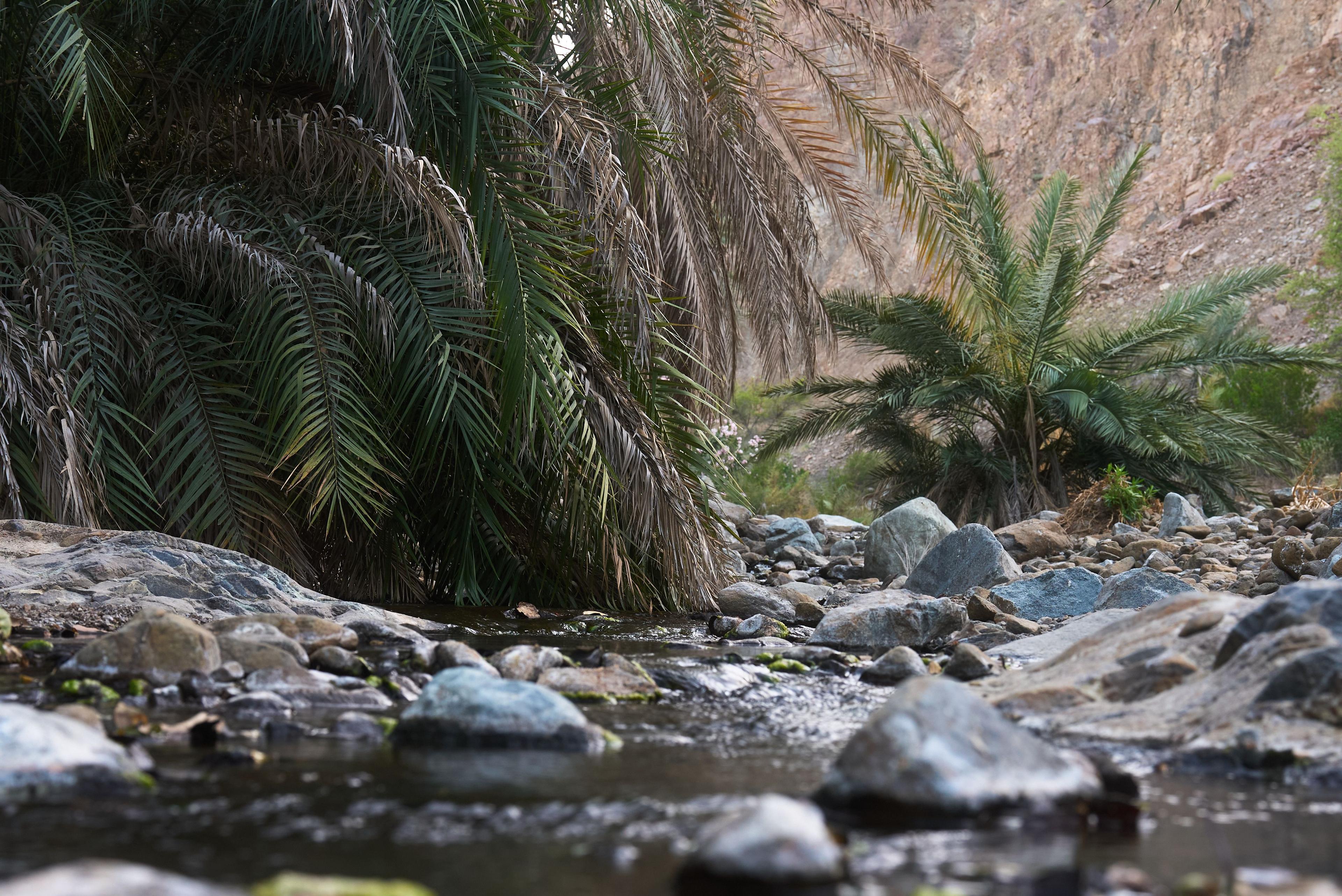
Ayurveda and forest bathing are familiar around the world, yet the Arab world’s own ideas about health and wellbeing rarely enter the conversation. KHUN wants to change that. The preventive wellness company is based in Fujairah and built around a 48-hour Reset. It draws on older traditions from the region: Afiyah, a sense of wholeness; khalwah, intentional solitude; and the bimaristans, historic hospitals that used light, water and gardens as part of care. There are no classes, no set itineraries and nothing to book. The days are shaped by light, land and quiet.
Ahead of opening, we spoke to co-founders Ali El-Sakhawy, Aya Khourshid and Tarek Abou Dib. They explained why the region’s wellness heritage was mislaid, how to make solitude feel restorative rather than isolating, and what they hope guests take home once the 48 hours are over.

1. For Ali El-Sakhawy: Wellness traditions like Ayurveda from India and forest bathing from Japan are known around the world, but the Arab world’s own ideas about health and wellbeing are far less familiar. Why do you think that is, and what made you want to build KHUN around them?
There’s no single answer, but I’d start with severance. Across much of the colonised world, this region included, older ways of understanding health were recast as backward and replaced by imported models. Many of us grew up believing that being modern meant leaving our own inheritance behind.
But it was never lost, only mislaid. The writing of thinkers like Ibn Sina and al-Balkhi stayed in libraries, and the rest lived on as custom: the hammam, the majlis, the shared table. Because no one ever called it wellness, we stopped seeing it as wellness. Now much of it is being sold back to us as daylight, water, scent and sound.
That’s starting to change. A younger generation is going deeper into its own culture, and KHUN is built for that moment. We’re not recreating the past. We’re giving it a form that makes sense now. I don’t see why the next influential idea of wellbeing couldn’t come from this region.
2. For Ali El-Sakhawy: KHUN describes itself as a preventive wellness company rather than a retreat or a hotel. In practical terms, what does “preventive” mean for someone who arrives in Fujairah for 48 hours?
KHUN carries these ideas through hospitality, not a clinic. Most care is organised around illness: it begins when something goes wrong. Preventive means stepping in earlier, while you’re still functioning but running on empty.
That describes most of us in the city, me included. We live in a pressure cooker: long days under fluorescent light, constant notifications, barely a moment without input.
In practical terms, the 48 hours take those inputs away so the body can find its baseline again. You sleep and wake with the light, move through heat and cold, eat simply and spend time in the land.
But the real test is what happens after. Al-Balkhi advised keeping calming practices ready, the way a traveller carries medicine. So the Reset ends with a few practices you take home, to help you return to the city without slipping back into overperformance.
3. For Aya Khourshid: You’ve described Afiyah as a state of wholeness shaped by our relationship with the world around us. How would you explain it to a reader who has never heard the word, and how does it show up in a guest’s day?
Most people in the region know the word without thinking of it as wellness. When someone is working hard, you say yatik al-afiyah: may you be given Afiyah. Its meaning goes beyond simply not being ill. It speaks to a sense of wholeness, of being well in yourself and in your relationship with the world around you.
What I love about it is that it doesn’t ask us to be the best version of ourselves. It asks whether we’re feeling whole.
At KHUN, we try to create the conditions for that through very simple things: waking with the light, eating without distraction, spending time outdoors, moving when you feel like moving, and resting without guilt.
None of these things is extraordinary. Perhaps that’s the point. Wellbeing is often less about adding something new and more about returning to what we’ve been missing.
4. For Aya Khourshid: Centuries ago, hospitals in the Arab world, known as bimaristans, used light, water, gardens and daily routine as part of how they cared for people. What can we learn from that today, and how does it shape what guests experience at KHUN?
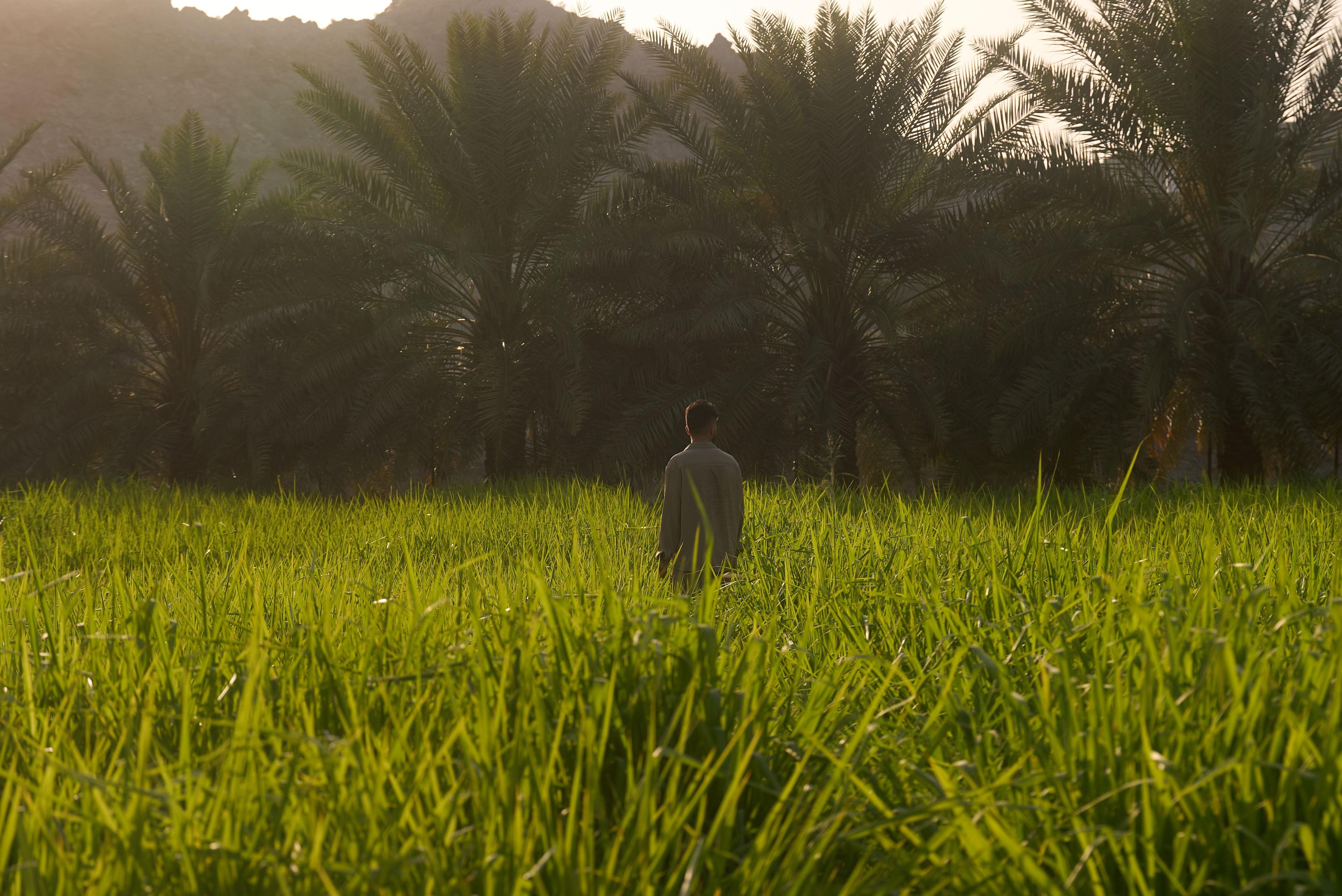
What fascinates me about the bimaristans is that care extended beyond the treatment itself. The surroundings in which someone rested and recovered mattered too. Light, gardens, water and the rhythm of the day were part of the care. In some, musicians played at night for patients who couldn’t sleep.I think that’s worth revisiting today, when so much of our understanding of wellness revolves around what we should actively be doing.
At KHUN, we’re interested in what happens when the environment does some of that work for you: when light shapes your morning, the landscape invites you outside, and the absence of constant stimulation lets you settle into an older rhythm.
We’re not recreating a historical hospital, and we’re certainly not offering medical treatment. We’re taking inspiration from a much older idea: that the spaces we inhabit shape how we feel, and that creating the right conditions is itself part of caring for people.
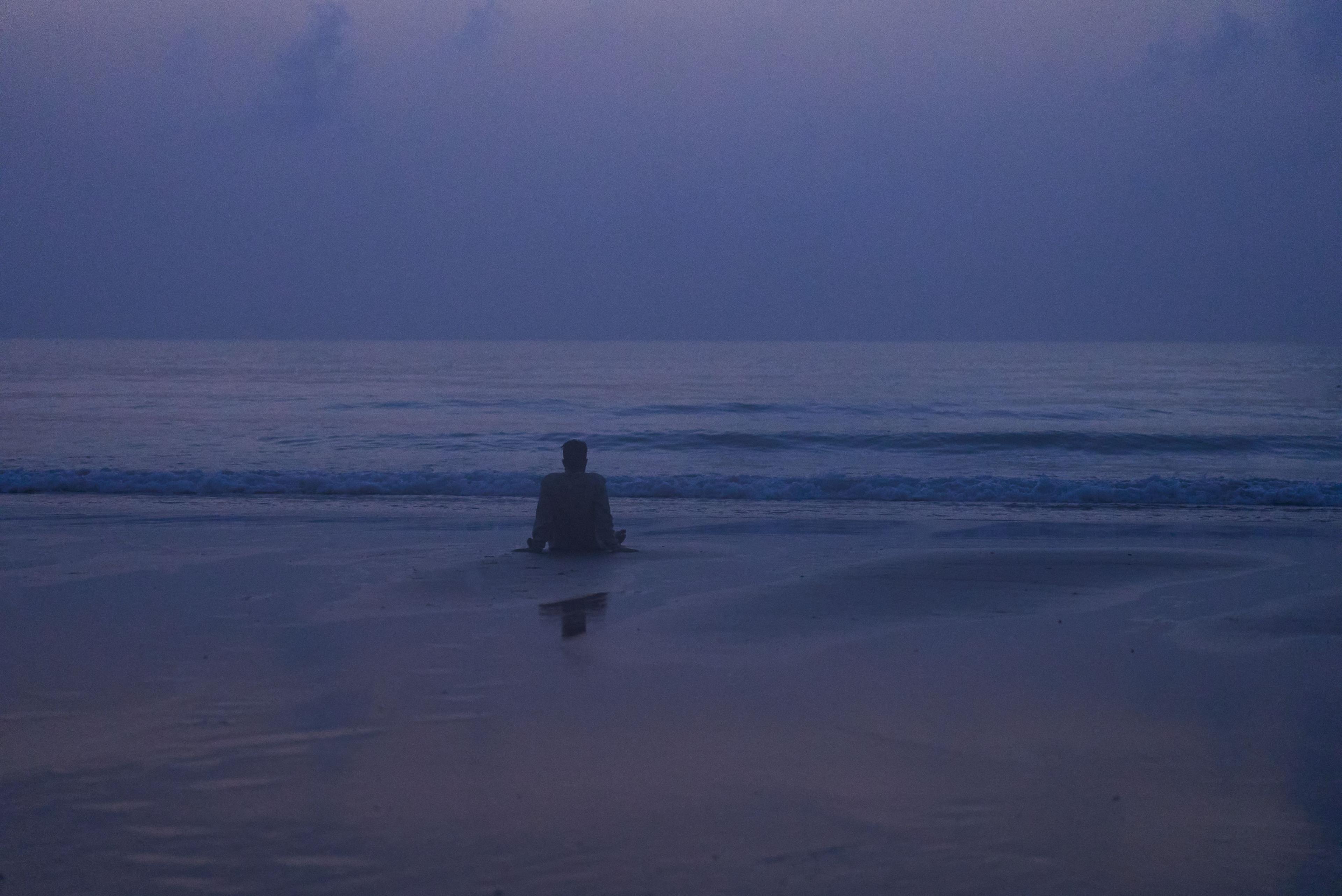
5. For Aya Khourshid: Khalwah, or intentional solitude, is central to the experience. For many people, being alone with their thoughts is uncomfortable. How do you design solitude so it feels restorative rather than isolating?
I think the distinction is that solitude should feel like a choice, not something imposed on you.
Khulwah is intentional withdrawal: creating some distance from the demands of everyday life so there’s room for reflection, stillness and reconnection with yourself. But being alone with your thoughts isn’t always comfortable, especially when you’re used to constant stimulation.
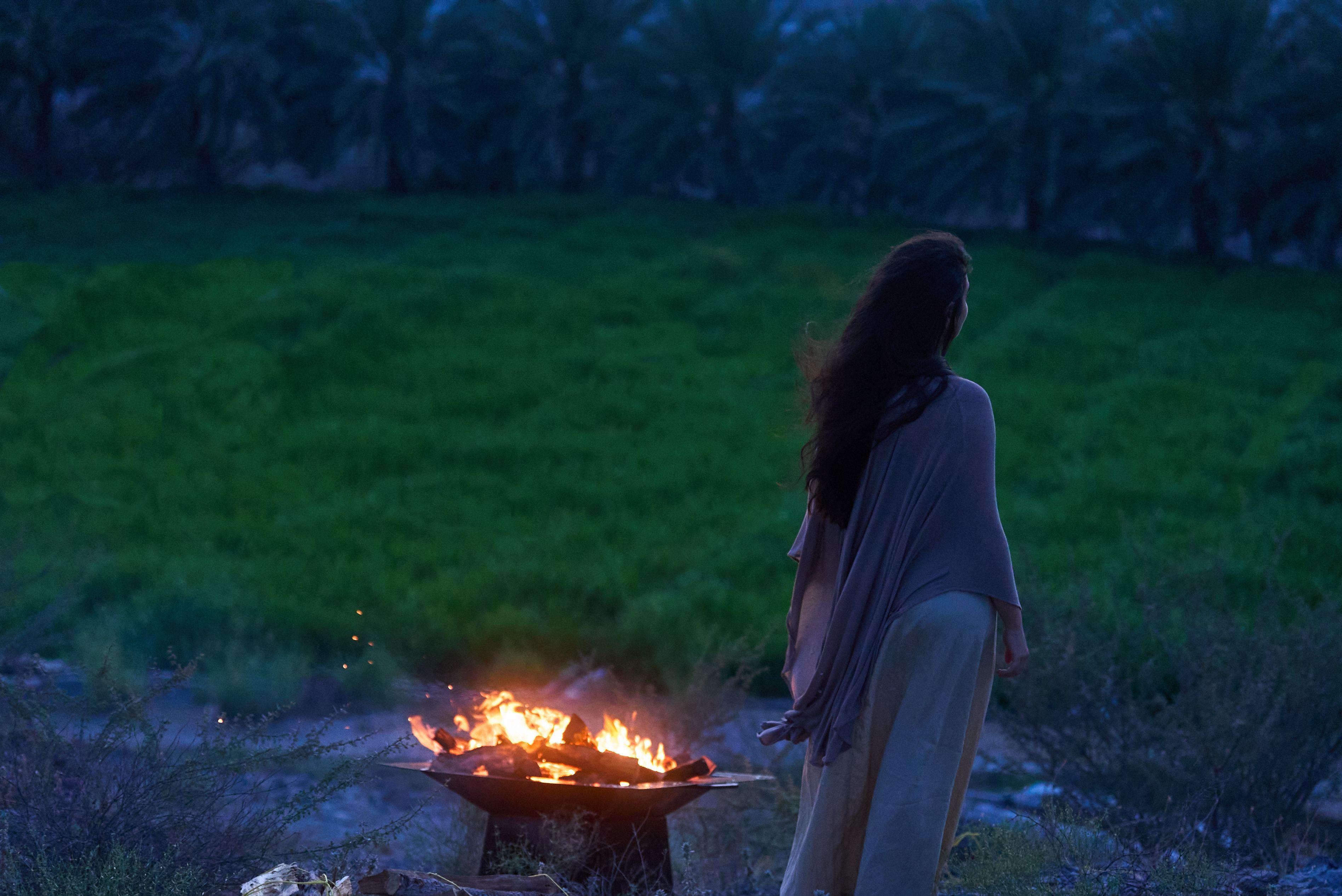
So KHUN isn’t about leaving someone in an empty room and expecting them to find peace. In the tradition we draw on, withdrawal was always held by something: a place, a purpose, a rhythm. Here, it’s the land, a fire at dusk, a horizon that changes through the day, and the reassurance that support is close by.
And we don’t expect everyone to experience it the same way. Some people might spend hours reflecting. Others might simply enjoy a quiet morning outdoors. Both are equally valid. There’s no right way to be still.

6. For Tarek Abou Dib: You’ve said what you obsess over is everything that can’t be photographed. Can you describe one of those details, such as the pacing of a day or the quality of quiet, and what it took to get it right?
Honestly, we haven’t opened yet, so I won’t pretend we’ve got it right. That’s exactly why we’re starting small. We’d rather get it right for a few guests, learn from them, and build from there.
But I can tell you what I obsess over. Think about your last hotel stay: the Wi-Fi password, the breakfast hours, the spa booking, the restaurant you really should try. Each one is small, but together they keep your mind working.
At KHUN, we’re trying to take as many of those decisions away as we can. Fewer choices to make, nothing to book, and no pressure to fill your day. The land takes care of most of the quiet. Our job is not to break it.
We spend so much of our lives being told what to do, where to be, and how to make the most of our time. I think there's something quite powerful about creating a place that asks very little of you.
7. For Tarek Abou Dib: There are no classes or set itineraries. How do you guide someone who is used to schedules and programmes without filling the space you’re trying to protect?
One thing we’ve learned from the people who’ve signed up is that not everyone finds comfort in a completely open day. Some genuinely thrive on routine, and structure, especially around movement, gives them a sense of balance.
That’s important to recognise. Routines aren’t the problem. They become exhausting when every moment turns into something to optimise or accomplish.
So we guide with a light hand. The place itself suggests what comes next, with gentle invitations to move, reflect or simply be still, and none of it is something to complete. Good hospitality is often the care you feel rather than see.
We want people to feel supported enough to let go of their usual routines, without feeling lost without them. The goal isn’t to teach anyone how to spend their time. It’s to give them the freedom to rediscover that for themselves.
8. For Ali El-Sakhawy, Aya Khourshid and Tarek Abou Dib: Our community sees wellness as mental clarity, emotional strength, physical health and connection. What do you hope someone carries home from KHUN into ordinary life once the 48 hours are over?
Ali
Not a feeling that fades by Tuesday. The tradition we draw on pairs khulwah, withdrawal, with jalwah, the return to others. The Reset is only the first half. What matters is the second: going back to your family, your table and your work with more to give.
For me, that’s what connection means. We don’t heal alone. We heal with each other, and sometimes you have to step away first to come back properly.
Aya
A steadier relationship with themselves. Wellness culture often promises that, done right, you’ll feel good all the time. The tradition never did. It held wellbeing alongside sabr, patient endurance. I hope people leave not expecting life to get easier, but feeling better prepared for it. That, to me, is emotional strength: not the absence of difficulty, but steadiness beneath it.
Tarek
Most people come back from a holiday needing another one. I’d like the opposite: that someone sleeps a little better that first week home, notices sooner when they’re overdoing it, and feels less need to fill every quiet minute. Small things. But small things are what change an ordinary week.