
How Akari Is Bringing Cellular Recovery Into the Wellness Conversation
From advanced light-based therapies to oxygen training, Dubai’s Akari is inviting a more considered conversation about recovery, resilience and the connection between physical and emotional wellbeing.

Wellness is often framed around what we can see: stronger muscles, brighter skin, better sleep or more energy, but what about the processes happening beneath the surface? As conversations around preventative health evolve, growing attention is being paid to cellular function, recovery and the ways we can support our bodies long before exhaustion forces us to slow down.
This October, as Breast Cancer Awareness Month shines a light on early detection, breast health and life beyond treatment, and World Mental Health Day highlights the importance of emotional wellbeing, Dubai wellness sanctuary Akari is encouraging people to take a more holistic view of health. Located in One Central, the science-led space brings together advanced wellness technologies and a restorative environment, offering an opportunity to explore recovery through a more personalised lens.
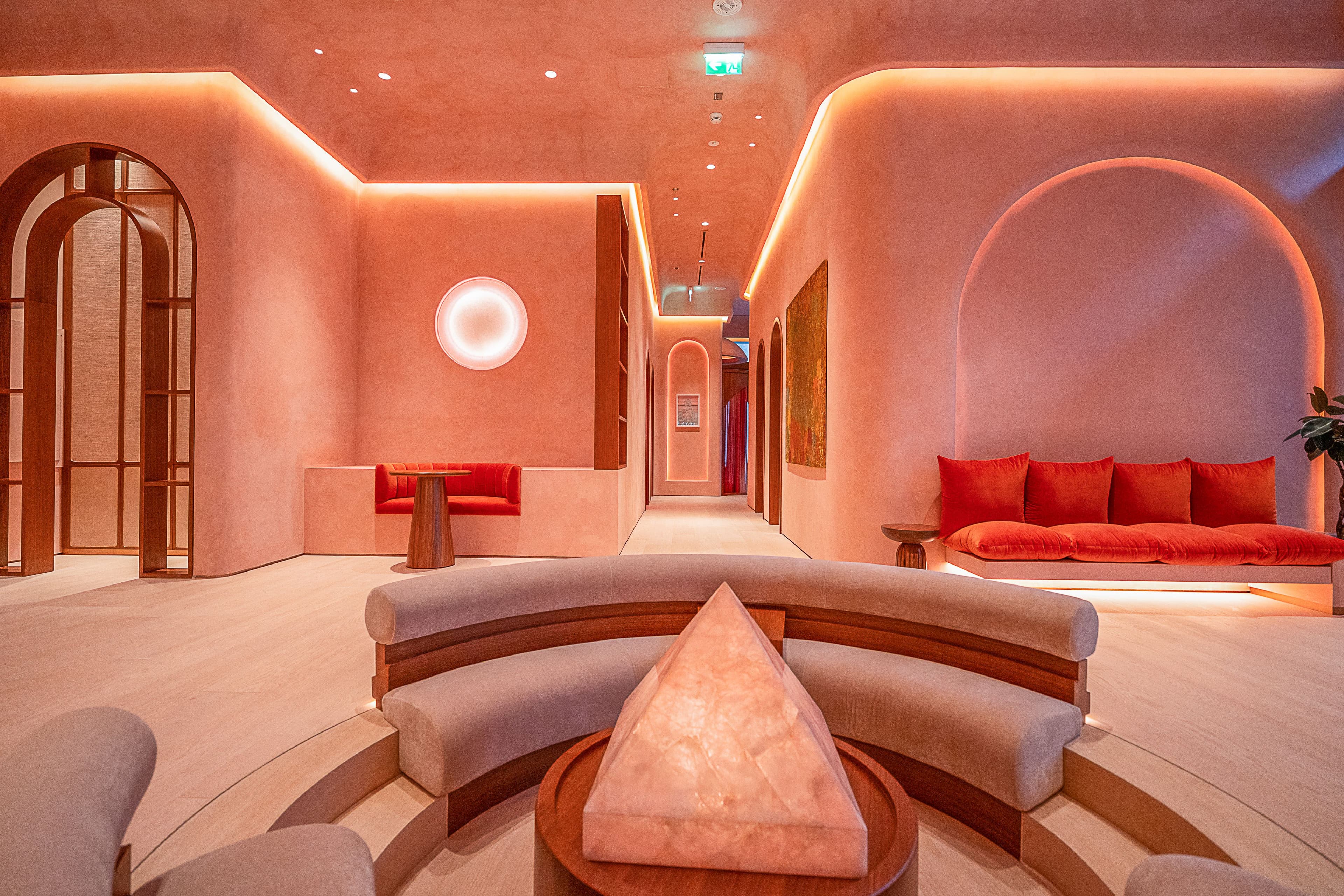
The philosophy is simple: looking after yourself should be about more than responding to a problem. It should also involve understanding your individual needs, making room for rest and building habits that support long-term wellbeing.
A more personal approach to recovery
At Akari, the experience begins with a consultation rather than a one-size-fits-all routine. Guests can discuss their goals, explore available modalities and identify options that may be appropriate for their needs. It is an approach that reflects a wider shift in wellness, where personalisation and informed decision-making are becoming just as important as the treatments themselves.
For those curious about technologies designed to support the body's recovery processes, two offerings stand out: whole-body photobiomodulation and Intermittent Hypoxia-Hyperoxia Training (IHHT). Both invite a closer look at how the body responds to different stimuli, although they work in distinct ways and the evidence supporting their potential benefits varies.
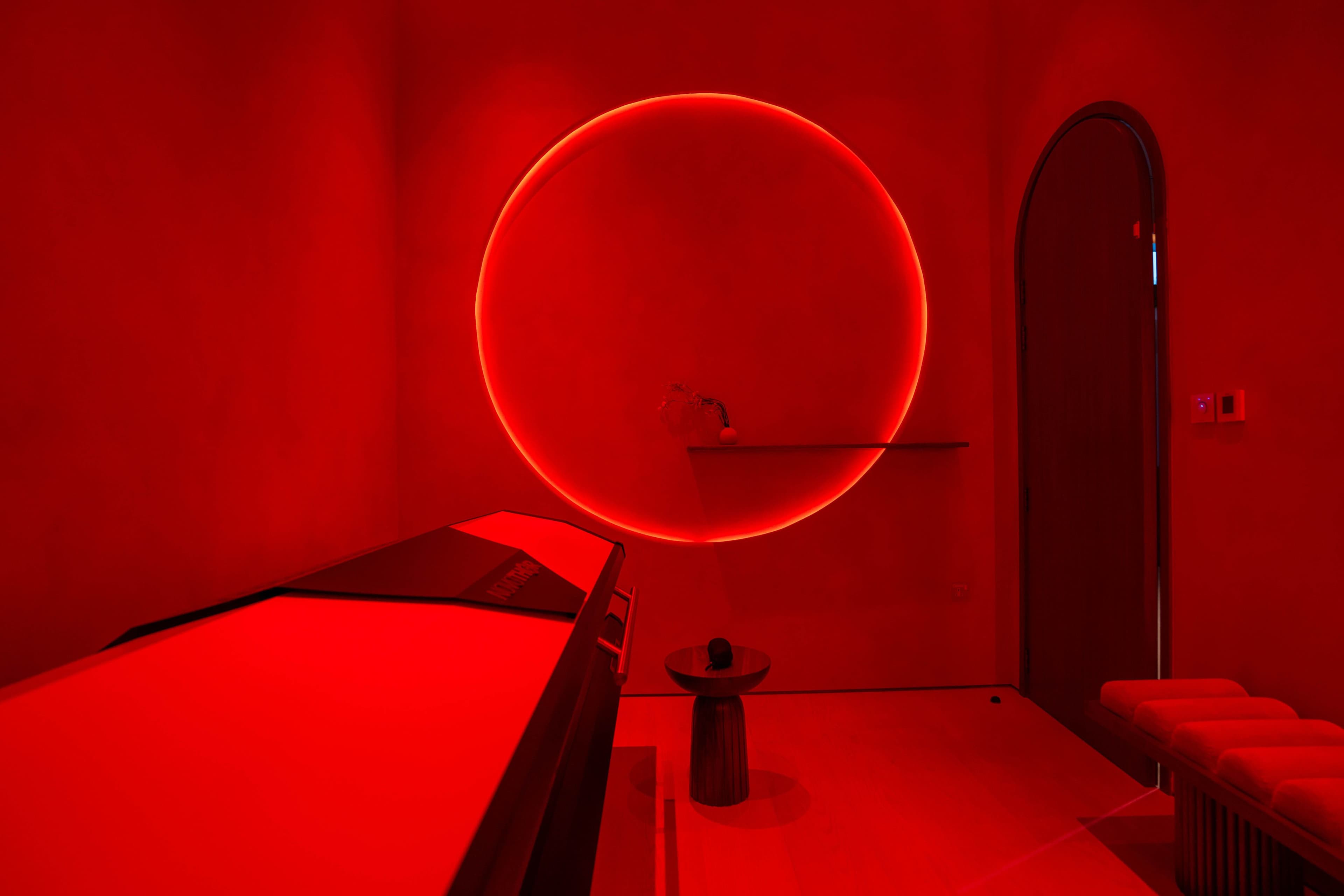
The first is the NovoTHOR whole-body light bed, which uses red and near-infrared light in a treatment setting designed to feel calm and unhurried. Known as photobiomodulation, this approach uses specific wavelengths of light to interact with biological processes in cells. Research is exploring its potential applications across areas such as tissue repair, inflammation and recovery, although outcomes depend on the condition being studied, the protocol used and the individual.
For guests, the experience offers an opportunity to learn about light-based wellness within a guided setting, rather than simply adding another treatment to an already crowded schedule.
Understanding the body's response to oxygen
Akari also offers IHHT, a technology that alternates between periods of reduced-oxygen and increased-oxygen air, delivered through a mask while the guest rests in a cocoon-like pod. These controlled changes create a physiological stimulus, prompting the body to respond to fluctuating oxygen availability.
Intermittent hypoxia and hyperoxia are being investigated in various health and performance contexts, including aspects of cellular adaptation and metabolic function. However, the science is still developing, and the potential benefits should not be confused with established medical outcomes. IHHT is not a universal solution, and its suitability depends on individual health circumstances.
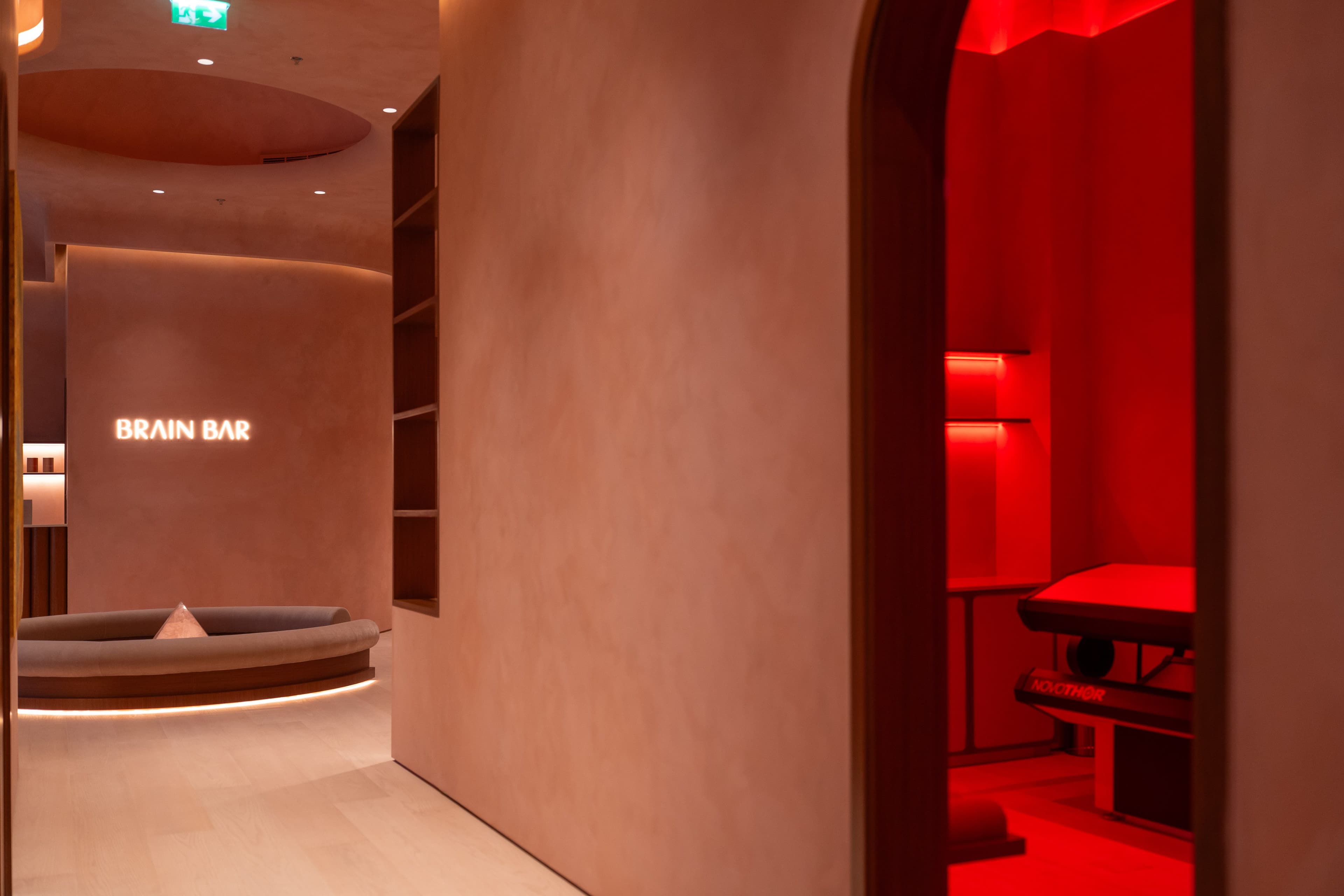
What makes these technologies particularly interesting is the broader question they raise: how can a better understanding of the body's responses help inform the way we approach recovery? The answer is unlikely to lie in a single device or session. Instead, it may involve combining emerging technologies with the fundamentals that continue to underpin good health, from consistent sleep and balanced nutrition to appropriate movement, stress management and medical care when needed.
Making space for physical and emotional wellbeing
The timing of Akari's October focus is especially relevant. Breast Cancer Awareness Month is an important reminder that health encompasses early detection, access to appropriate treatment and the support people need throughout and beyond their cancer journey. Meanwhile, World Mental Health Day reinforces that emotional wellbeing deserves attention in its own right, not just when life becomes overwhelming.
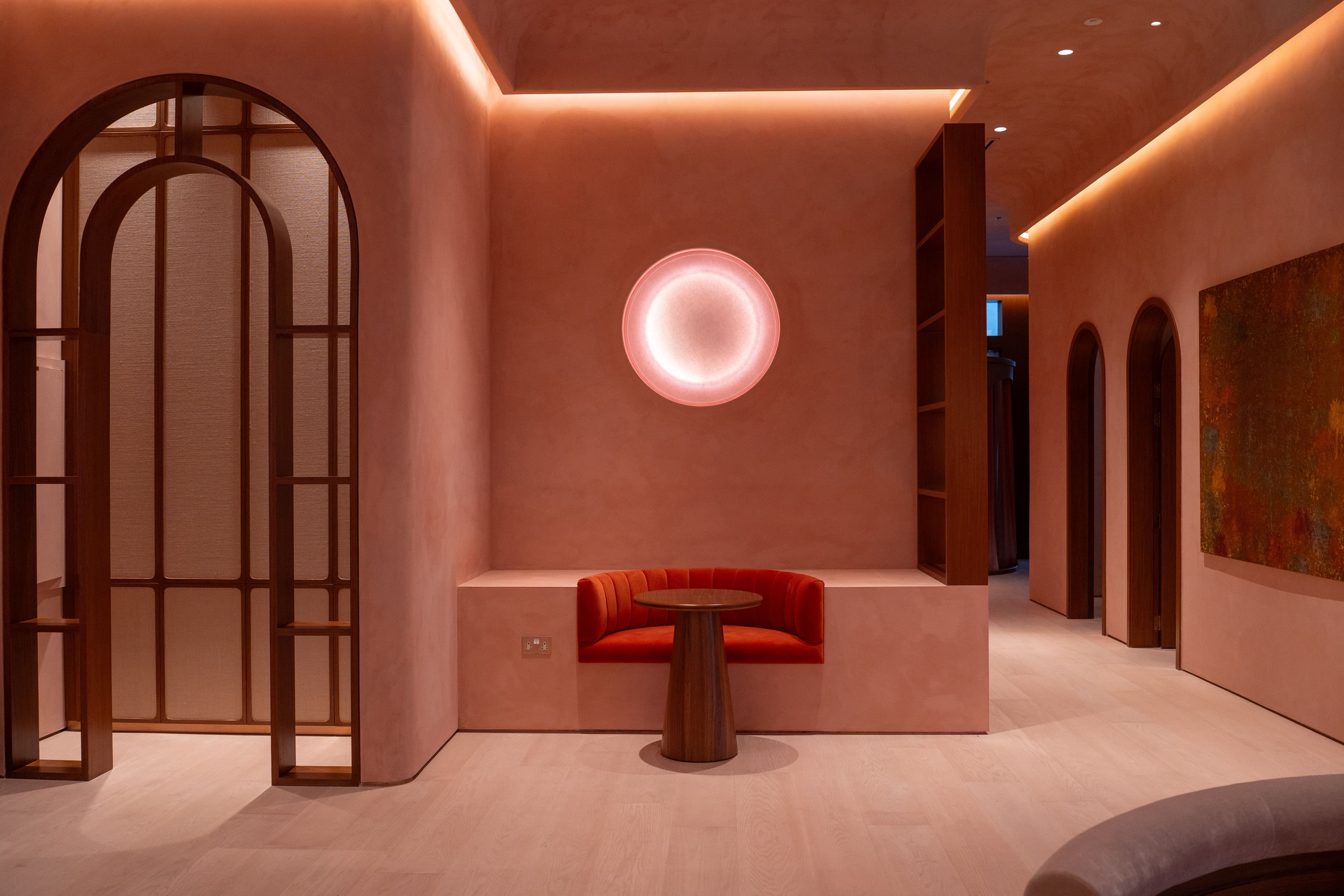
For people navigating recovery after cancer treatment, the desire to feel stronger, regain confidence or reconnect with their bodies can be deeply personal. Wellness experiences may offer a space for rest and reflection, but advanced modalities should be approached carefully. Anyone undergoing or recovering from cancer treatment should speak with their oncology team before considering light-based therapies or oxygen-training technologies. These offerings are not substitutes for cancer screening, prescribed treatment or professional mental health support.
Ultimately, Akari's approach reflects an increasingly important distinction in modern wellness: being proactive about health does not mean pursuing every new technology. It means asking better questions, understanding what is appropriate for your body and making informed choices that complement, rather than replace, evidence-based care.


