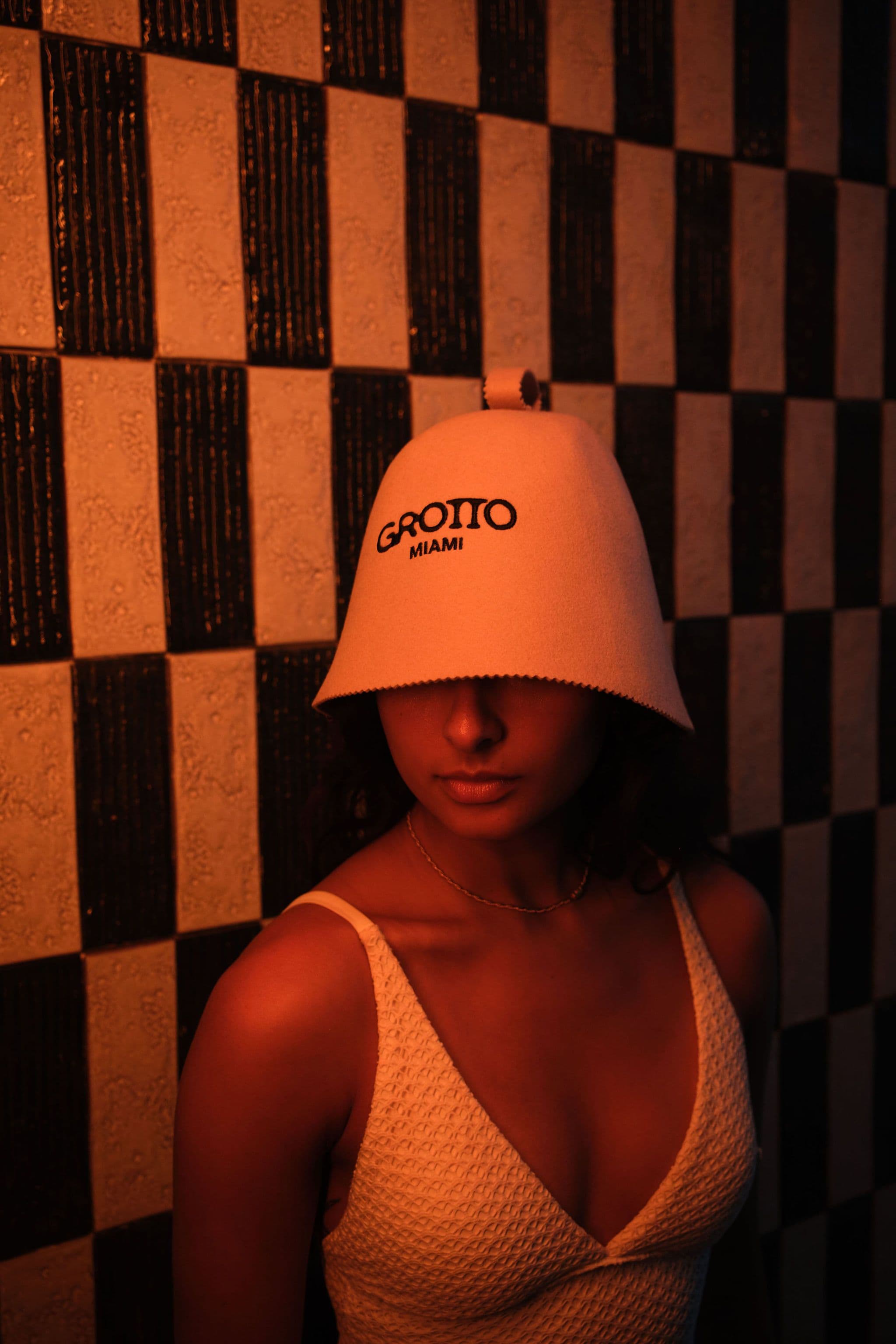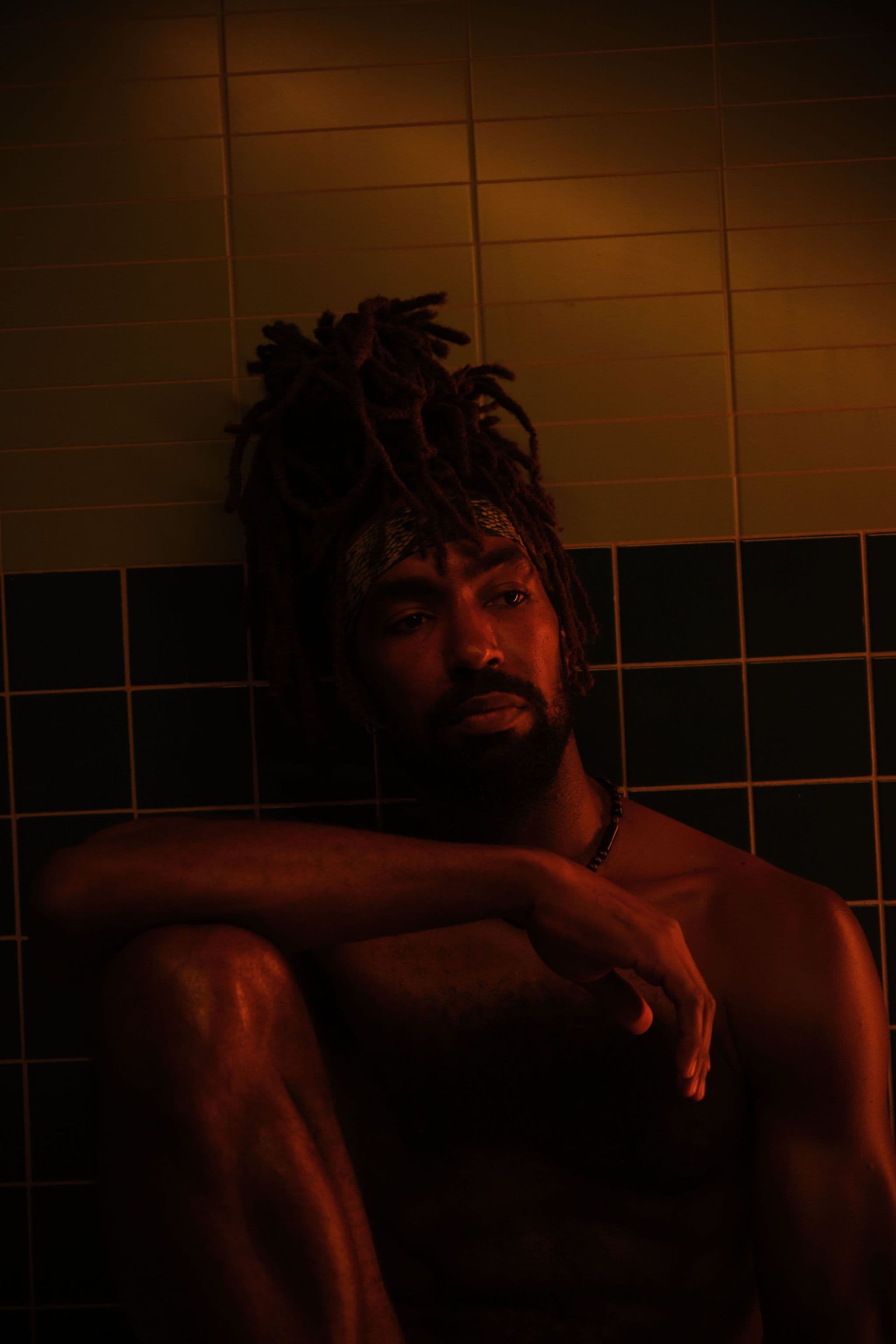
Wellness, Together: Inside Grotto's Blueprint for Social Connection
In an industry that often equates wellness with solitude, a quiet routine, a solo retreat, a personal optimization plan, Grotto is making a different bet. The Miami based bathhouse was built on the idea that wellbeing isn't something we arrive at alone, but something we shape together, in the company of other people.
For founders Nathan and Darryl, that belief didn't start as a business plan. It grew out of smaller circles of friends, shared culture, and a conviction that connection deserved the same care as physical health. Nathan stepped away from a career in traditional real estate development to build something that felt more authentic and communally rooted. Darryl brought a philosophy shaped by the belief that true wellbeing is relational, not individual, and that it shows up not in grand gestures but in the details: how a space welcomes people in, how its programming meets them where they are, and how its pacing lets them simply settle rather than perform.
Set against Miami's singular blend of Latin American, Caribbean, and international culture, Grotto was designed to hold a wide range of people, artists, athletes, business professionals, and everyone in between, without asking any of them to conform to a single idea of what wellness should look like.
Below, Nathan and Darryl talk about the moment that set Grotto in motion, what social wellness really means, and why they chose intention over spectacle in building it.

1. What was the moment you decided to leave traditional real estate development and build something rooted in care and connection instead?
Nathan: The moment I decided to leave traditional real estate development was really the moment I decided to live more authentically. That decision naturally led to creating something rooted in care and connection.
I had also spent time in the CrossFit community, and I always felt that connection is one of the most important things in life. Culture mattered to me, and it was something I felt was lacking in traditional real estate development. I wanted to build with people I felt culturally aligned with, people I cared about.
That connection started in smaller circles. Over time it grew, and it eventually became the thing we were creating. Grotto came out of that.
2. How do you define social wellness, and how is that different from the wellness people usually picture, juice cleanses, spin classes, retreats?
Nathan: I define social wellness as community: spending time with others, communicating with like-minded people, and being around people you feel genuinely connected to.
You can have physical wellness. You can have spiritual wellness. Social wellness is a different part of the picture, and it’s a little more than meets the eye.
That’s what I’m most excited for people to experience at Grotto. It’s what we’re looking to create for our members and for anyone who walks through the doors.

3. What does the physical design of Grotto say about how you want people to relate to each other, not just to the water?
Nathan: The design of Grotto is uniquely Miami. I think people will take bits of the design and understand why we’re all there, and relate to each other in different ways because of it.
We all believe in the same vision. We all believe in the same materiality and the same vibe. That shared feeling is what underpins a lot of the relationships, the connections, and the community.
4. Miami sits at a crossroads of Latin American, Caribbean, and international culture. How did that shape who you imagined walking through Grotto's doors?
Nathan: Being in Miami, Grotto is going to hold an incredibly diverse mix of people. Not just from different countries and different cultures, but from different paths in life.
There are going to be artists. People in the culinary field. Business professionals. Athletes. Grotto strikes this balance between where people are from and the paths they’ve chosen.
That’s what I’m looking forward to — people exploring the space and meeting others from all different walks of life.
5. You describe your approach as intention over spectacle. In an industry built on spectacle, what pushed you toward that instead?
Darryl: Spectacle is relatively easy. With enough budget, almost anyone can create a beautiful room or produce a striking moment. But beauty alone doesn’t necessarily move people, and spectacle by itself is often fleeting. What endures is intention — the care, attention, and consideration that shape an experience in a deeper way. People can feel when something has been built with that kind of thoughtfulness, and that’s what leaves a lasting emotional impact.

6. You've said true wellbeing is communal, not individual. How is Grotto designed to make people, across different backgrounds and comfort levels, feel genuinely welcome in the space, in the programming, the pacing, the social rules?
Darryl: True well-being doesn’t happen in isolation. It’s shaped in relationship to other people, to one’s environment, and to the feeling of belonging. So from the beginning, Grotto was designed not just as a place to come for yourself, but as a place where people could feel part of something shared.
That shows up in the space itself, in the way it invites people in without feeling overly coded or exclusive. It shows up in the programming, which is designed to create multiple entry points depending on someone’s comfort level, energy, or familiarity. It shows up in the pacing, which encourages people to settle in rather than feel like they have to perform or participate in a specific way. And it shows up in the social environment, where the goal is to create a culture that feels warm, intuitive, and inclusive rather than intimidating.
7. Why do you think so much of the modern wellness industry sells solitude instead of connection?
Darryl: Solitude is easier to package, easier to market, and easier to control. It fits neatly into a consumer model: a product, a treatment, a routine, a personal optimization practice. Connection is messier. It requires vulnerability, reciprocity, and the presence of other people, which makes it much harder to commodify.
I also think modern wellness has been shaped by a culture that tends to treat well-being as an individual responsibility. The implicit message is that if you buy the right thing, follow the right protocol, or perfect the right routine, you can somehow arrive at wellness on your own. But that overlooks something fundamental: a lot of what makes people feel well comes from belonging, from being seen, from shared experience, and from feeling connected to a community.

8. If someone flew in from Dubai, Riyadh, or Doha just to experience Grotto, what's the one thing you'd want them to leave with?
Darryl: I’d want them to leave having felt something real — a sense of ease, belonging, and connection that stays with them after they leave. If they walked away feeling more open, more grounded, and more connected to themselves and to other people, then I’d feel we did what we set out to do.
9. When you picture Grotto five years from now, what does success look like beyond the numbers, in the community it has built?
Darryl: I’d measure success by whether people feel a real sense of belonging there, whether relationships have formed there, and whether it has become a meaningful part of people’s lives and rituals.
I’d want Grotto to stand for something deeper than growth or scale. I’d want it to be proof that spaces built with intention, care, and hospitality can create enduring emotional impact.