
Why Restorative Travel Is the Future of Luxury Flying
As wellness reshapes modern travel, sleep is emerging as the ultimate luxury. From circadian lighting and oxygen-optimised cabins to restorative wellness partnerships, aviation is entering a new era focused on recovery rather than exhaustion. The result is a more intentional, science-backed approach to flying that prioritises rest, performance and wellbeing.

Why Restorative Travel Is the Future of Luxury Flying
For decades, luxury travel was measured by excess: larger suites, rarer wines, faster routes, exclusive access, but somewhere between chronic jet lag, red-eye exhaustion and the relentless pace of modern life, the definition of luxury began to shift. Today, the real indulgence is not arriving faster, but more rested.
As wellness increasingly shapes how we eat, train, recover and live, it is also transforming the way we fly. Nowhere is this more evident than in the growing rise of sleep-focused aviation experiences, where rest is no longer treated as an afterthought, but as the centrepiece of the journey itself.
At the forefront of this movement is VistaJet, whose science-backed wellness and sleep programme is quietly redefining what it means to travel well in 2026. Rather than viewing flying as something the body simply has to endure, the company approaches travel as an opportunity for restoration, recovery and circadian support.
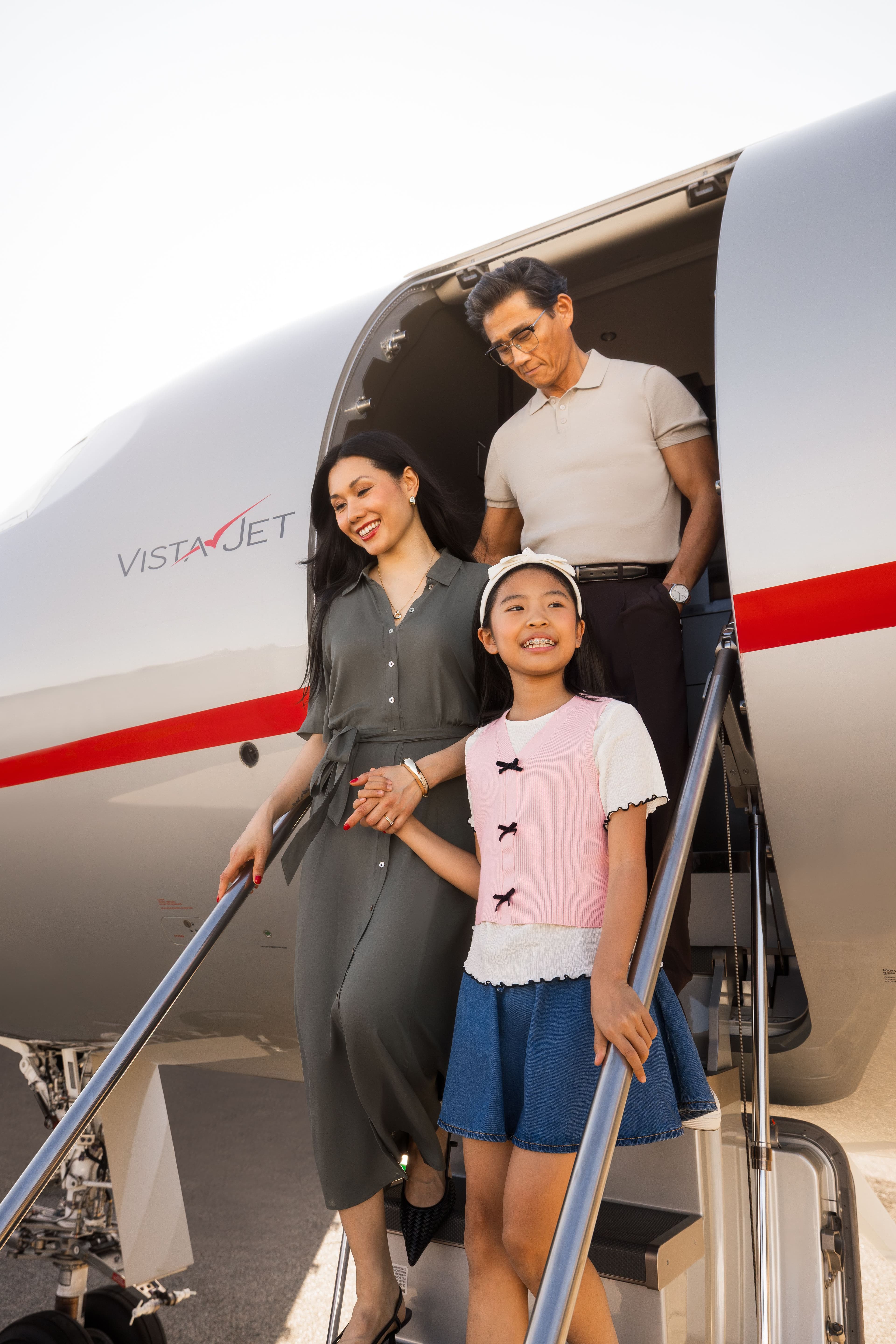
The new status symbol? deep sleep
The conversation around wellness has evolved dramatically over the last few years. Productivity culture once glorified sleeplessness, rewarding early flights, back-to-back meetings and constant availability, but mounting research linking poor sleep to cognitive decline, hormonal imbalance, inflammation and burnout has fundamentally changed the narrative.
Sleep is now viewed as one of the most important pillars of longevity and performance. Yet while many people invest heavily in sleep trackers, supplements and recovery routines at home, travel remains one of the biggest disruptors to restorative rest. Noise, cabin pressure, dehydration, time-zone shifts and overstimulation all place significant stress on the nervous system, particularly during long-haul flights.
VistaJet’s approach acknowledges something simple, but often overlooked: sleep is not a single act. It is an ecosystem. Their wellness programme is designed around the full sleep journey, supporting the body before, during and after rest through carefully curated environmental and sensory interventions.
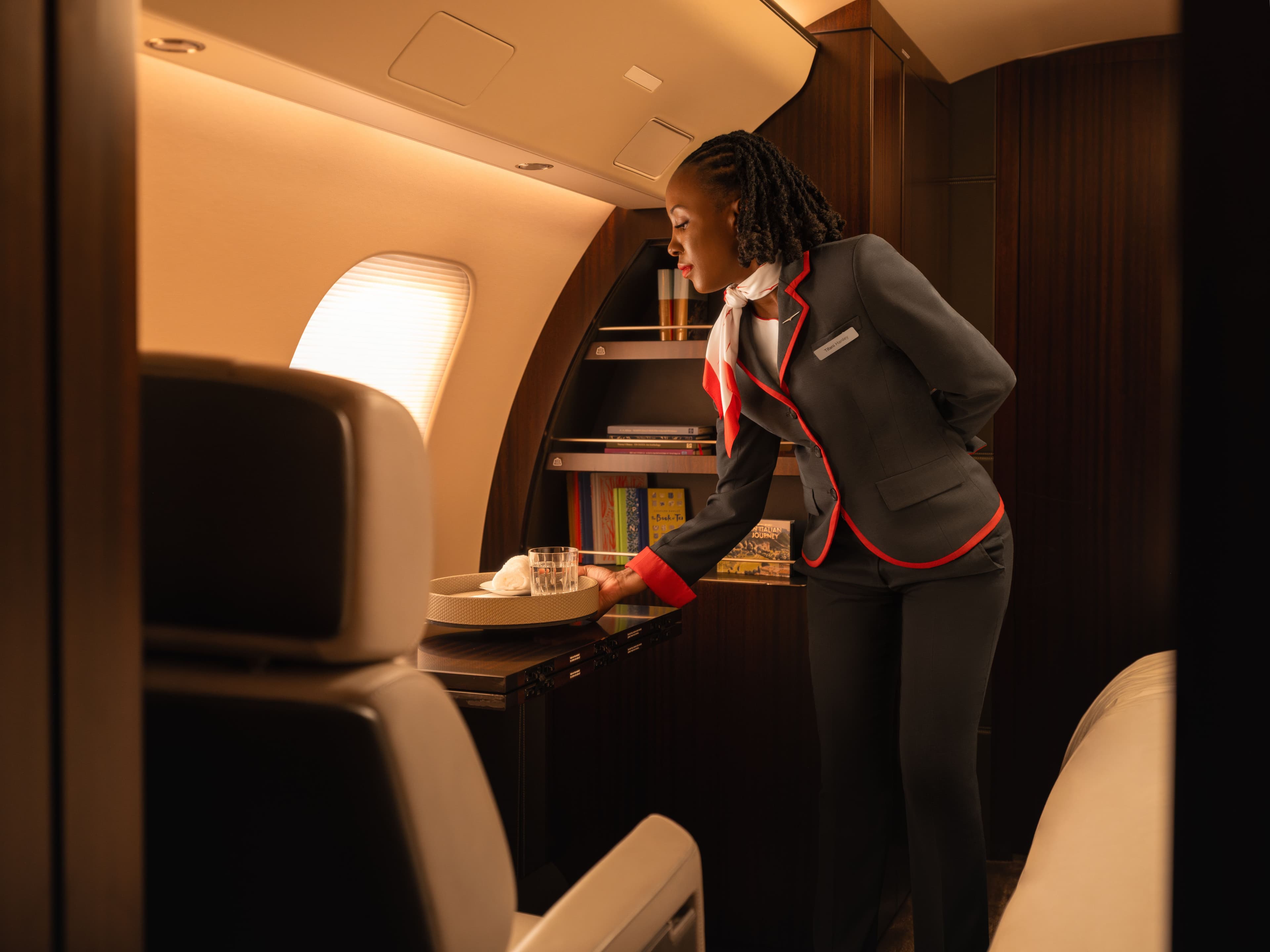
Designing the cabin around human biology
From the moment passengers board, the experience is subtly engineered to support circadian wellbeing. Lighting and cabin temperature can be adjusted to encourage the body’s natural transition into sleep, while meal timings are aligned with the destination time zone to help reduce jet lag. Even these seemingly small adjustments can have a measurable impact on the body’s internal clock.
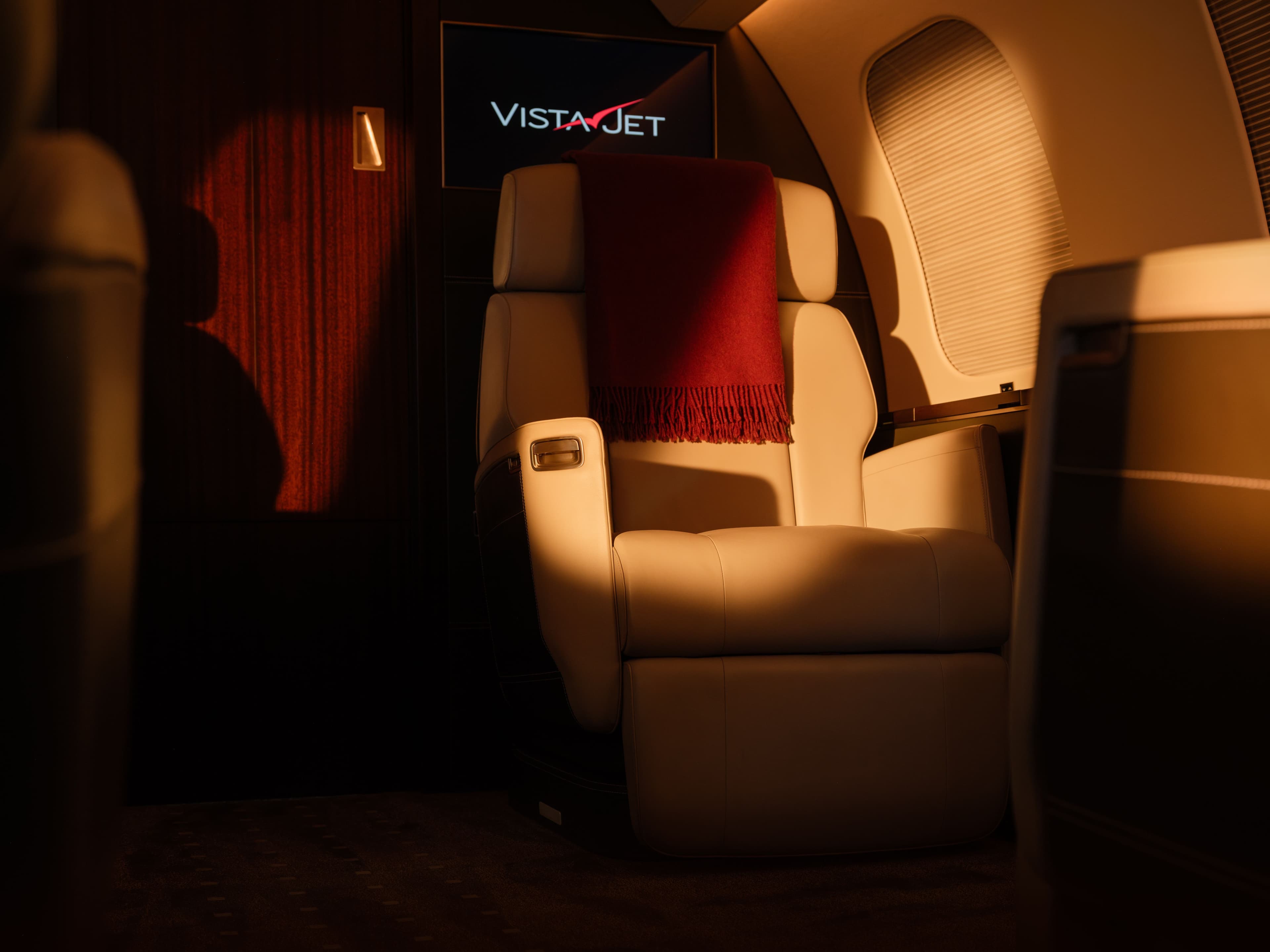
Inside the cabin, the atmosphere feels intentionally calming rather than overstimulating. Blackout eye masks, bio-based foam earplugs, hypoallergenic bedding and breathable natural fabrics create an environment designed for uninterrupted rest. Guests are encouraged to place digital devices away from the sleeping area and even use sleep journals to clear mental clutter before bed.
There is also a growing recognition that what happens before sleep matters just as much as sleep itself. Caffeine-free herbal teas, hydrating night creams and personalised turndown rituals all contribute to preparing the nervous system for deeper recovery.
The science behind sleeping better while flying
One of the most fascinating aspects of VistaJet’s sleep programme is the extent to which it incorporates evidence-based wellness principles. The body naturally requires a slight drop in core temperature to initiate deep sleep, which is why cabin crews can adjust temperatures to optimal sleep-supportive levels. Gradual light exposure upon waking also mirrors natural sunrise patterns, helping ease the transition from sleep to alertness without the jarring effect of alarms.
On the company’s long-haul Bombardier Global 7500 aircraft, additional physiological considerations come into play. Reduced cabin altitude pressure, quieter interiors and the Soleil Lighting System’s Dynamic Daylight Simulation are specifically designed to minimise the physical stress associated with crossing multiple time zones. The result is not simply comfort, but biological support too.
For high-performing travellers, whether executives, athletes or entrepreneurs, this distinction matters. Recovery directly influences cognitive function, emotional regulation, focus and energy. In many ways, sleep has become one of the most valuable performance tools available.
Wellness beyond the flight
What makes the concept particularly compelling is that it extends beyond the aircraft itself.
VistaJet’s wider wellness ecosystem includes partnerships with sleep-focused destinations and recovery specialists around the world. Guests can continue their restorative journey through immersive experiences such as neurofeedback sessions, sound healing, sleep-enhancement programmes and biohacking therapies.
At Six Senses Zighy Bay, personalised sleep therapies combine massage, aromatherapy and mindfulness practices to address stress and fatigue, while Lanserhof offers NeuroSleepRest, an advanced programme designed to improve deep sleep and mental clarity through biofeedback and targeted neurological therapies.
It reflects a larger shift taking place across luxury wellness: the understanding that restoration is not indulgence, but infrastructure.
A new era of conscious travel
Perhaps the most interesting aspect of this evolution is what it says about modern wellbeing more broadly. For years, travel was associated with escape. Now, increasingly, people want travel experiences that help them feel better physically, mentally and emotionally when they return home. This is especially resonant in regions like the GCC, where fast-paced lifestyles, demanding schedules and frequent long-haul travel make recovery an essential part of sustainable living.
The future of luxury travel may not be louder, busier or more extravagant. It may be quieter, slower and more intentional.
Somewhere above the clouds, in a softly lit cabin designed around human biology rather than pure functionality, wellness aviation is beginning to show us what that future could look like.