Where the Adriatic Does the Work: A Conversation with Hyatt Regency Zadar's Valentin Roettger and Zrinka Jeličić
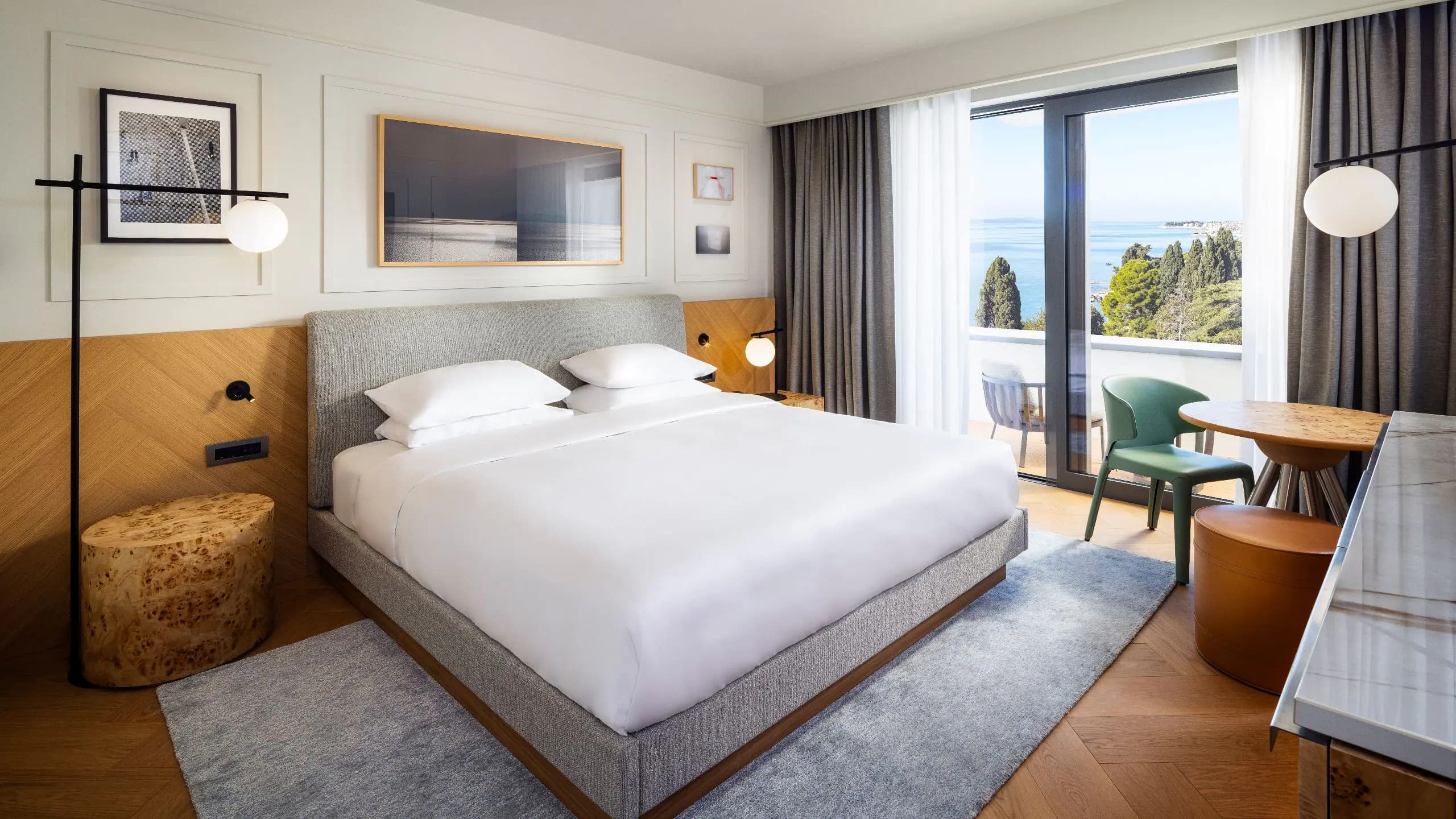
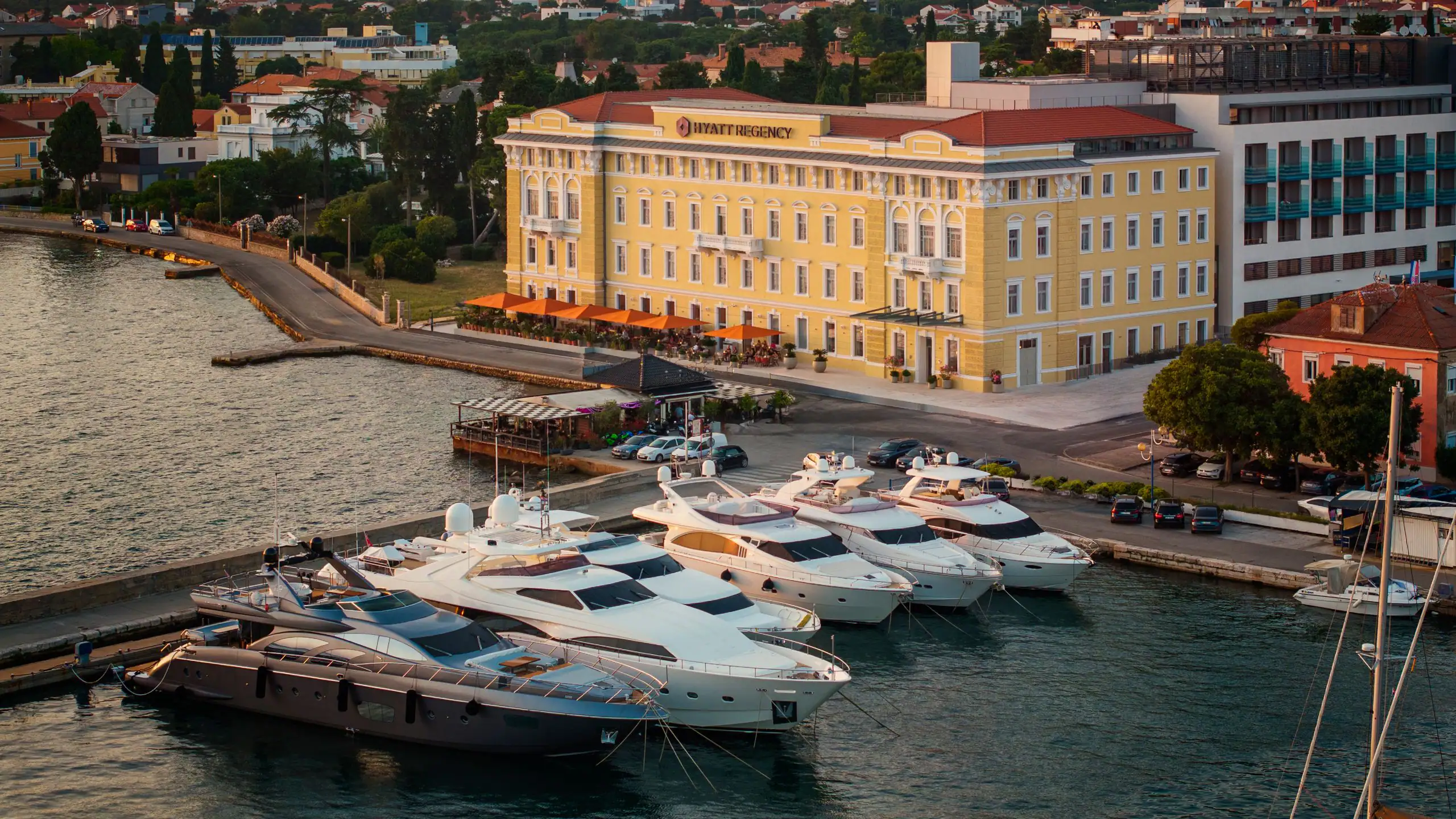
Some hotels sell a view. Others build an entire philosophy around it. Set inside the former Maraška factory on Zadar's waterfront, Hyatt Regency Zadar treats the Adriatic not as a backdrop but as part of the design brief itself, shaping everything from the flow of its public spaces to the quiet, unhurried rhythm guests describe by the end of their stay.
We sat down with General Manager Valentin Roettger and Spa Manager Zrinka Jeličić to talk about what it actually means to build a hotel around rest. They shared the early morning stillness before the lobby wakes up, the guests who arrive frayed and leave present again, and why "coastal wellness" is only real when it's more than a marketing line. What emerged was less a conversation about hospitality and more one about attention: how a place, and the people running it, can teach you to slow down.

1. You've moved through hotels in Düsseldorf, Venice, and Prague, cities without this kind of coastline. What made you want to take on a property directly on the Adriatic?
Valentin Röttger: Professionally, the opportunity to open Hyatt Regency Zadar was incredibly exciting, but on a personal level, the decision meant even more. My wife is Croatian, and ever since I first visited Croatia many years ago, I knew I wanted to live here one day. I immediately fell in love with the country, the warmth and hospitality of the people, the rich culture and history, the incredible food, and especially the lifestyle here in Dalmatia. There is a unique energy and way of life on the Adriatic coast that is difficult to put into words until you experience it yourself. When the opportunity to lead Hyatt Regency Zadar came along, it felt like the perfect combination of an exciting professional challenge and the chance to build our life in a place we truly love.
2. Is there a specific moment at this property, a view, a sound, a time of day, where you feel the sea actually doing something to you?
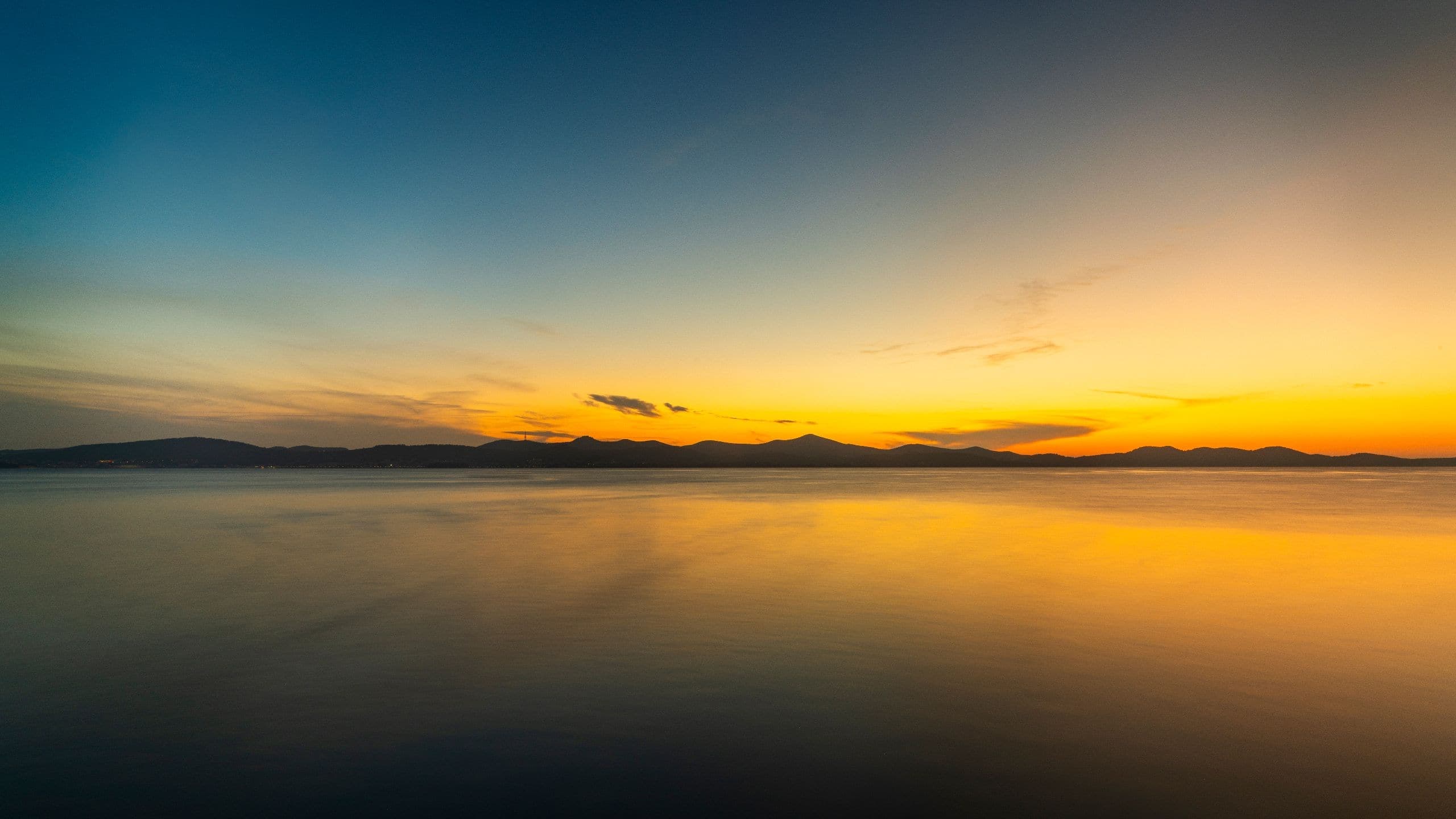
Valentin Röttger: Without a doubt, it's early in the morning. Before the hotel comes to life, I like to take a moment to look out over the Adriatic. The sea is incredibly calm, the air is fresh, and there is a sense of quiet that's hard to find elsewhere. It gives you a chance to reset before the day begins. Even though I see it every day, it still reminds me why I wanted to come here in the first place. There is something about the rhythm of the sea that naturally slows you down and helps you focus on what's important.
3. The hotel is built into the former Maraška factory, blending that industrial history with contemporary design. How did you think about honoring the building's past while turning it into a place meant to feel calming and restorative?
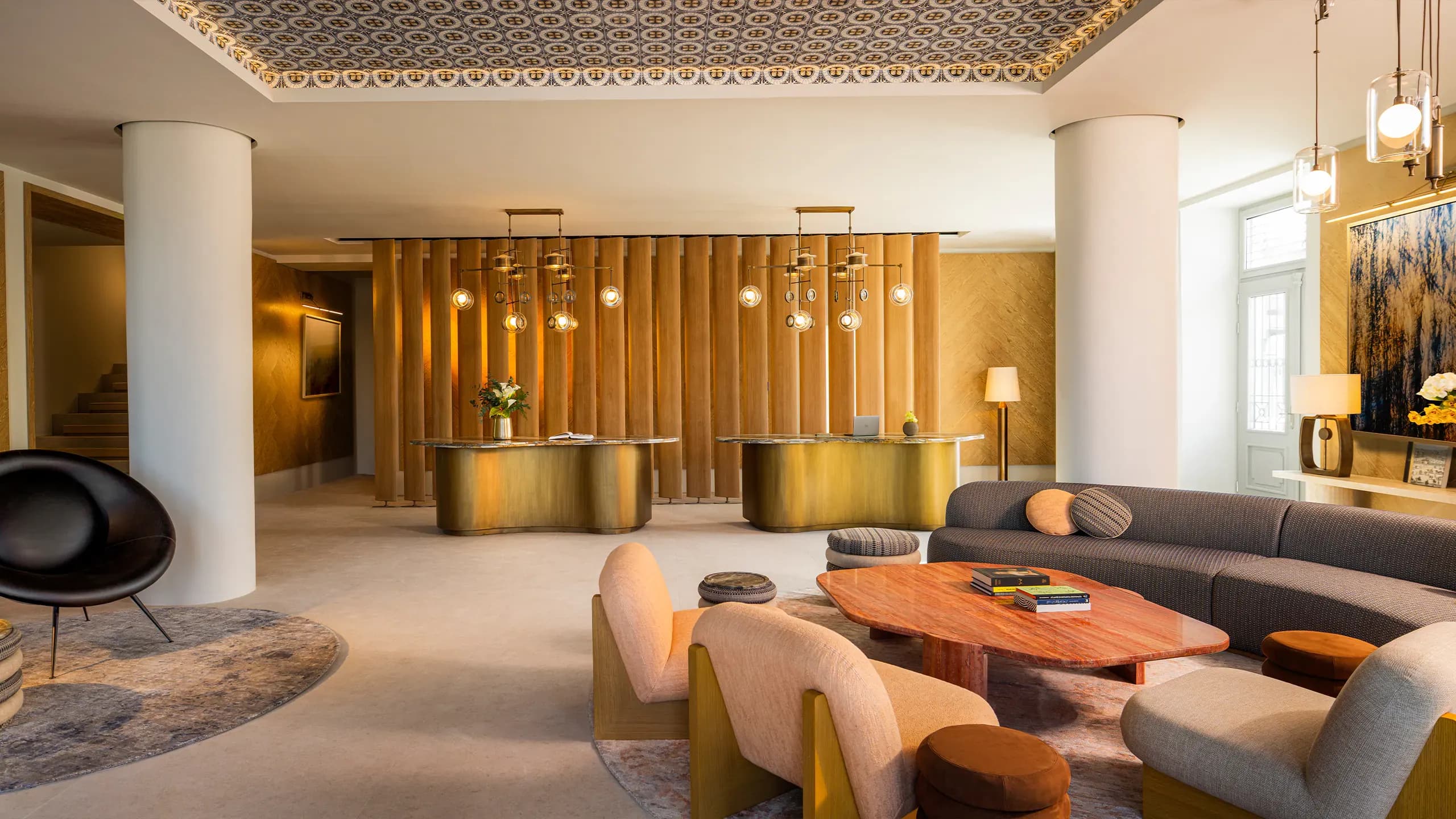
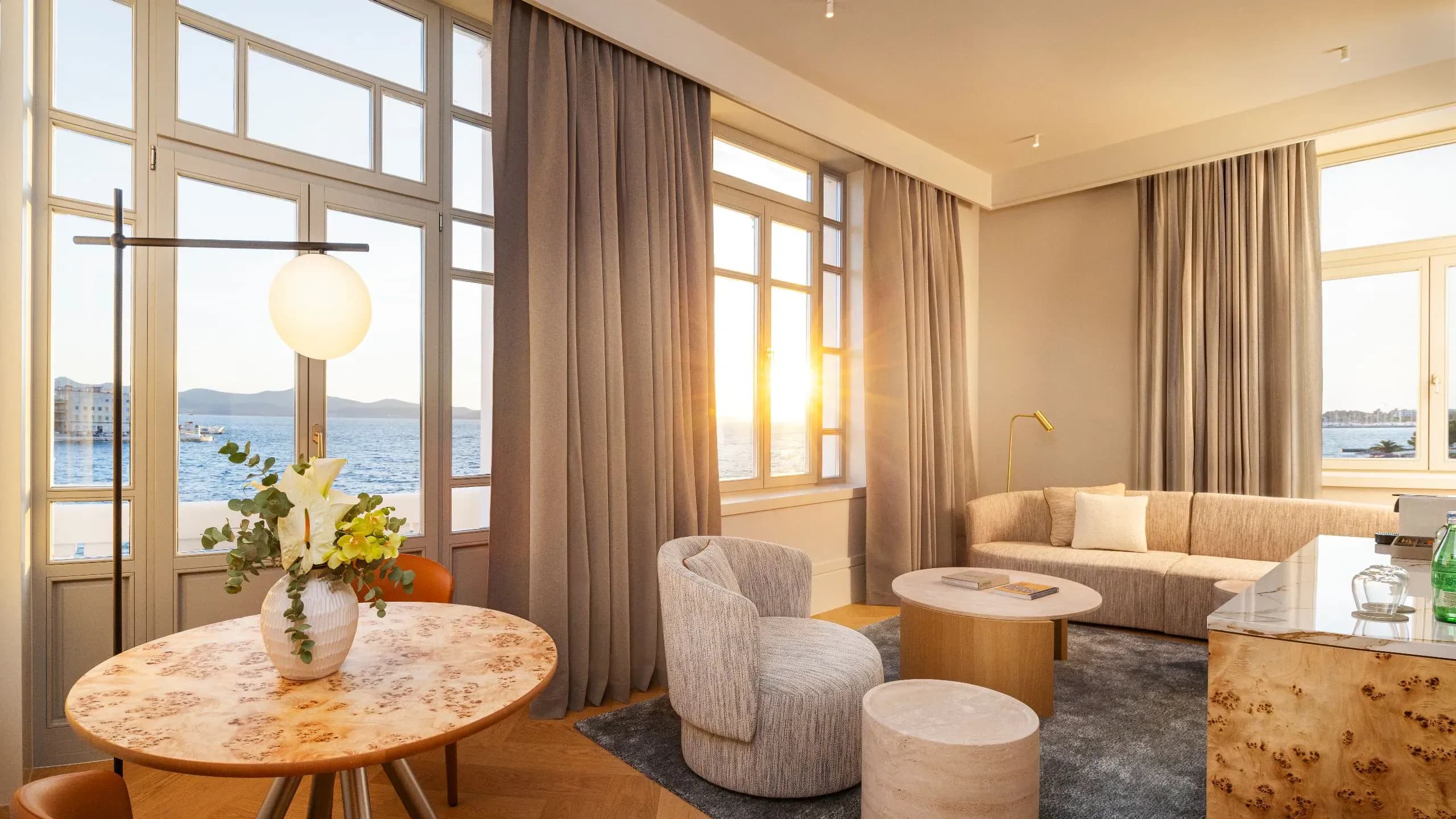
Valentin Röttger: The Maraška factory is an important part of Zadar's history, and preserving that heritage was a key consideration throughout the development of the hotel. Rather than hiding the building's past, the design celebrates it by keeping distinctive architectural features and combining them with contemporary design, natural materials, and plenty of daylight. The result is a hotel that feels deeply connected to its surroundings while offering guests a calm, welcoming environment. It's about respecting the city's story while creating a space where people can genuinely relax.
4. How much did "mental restoration" factor into the actual design brief for this hotel, versus just "sea views sell rooms"?
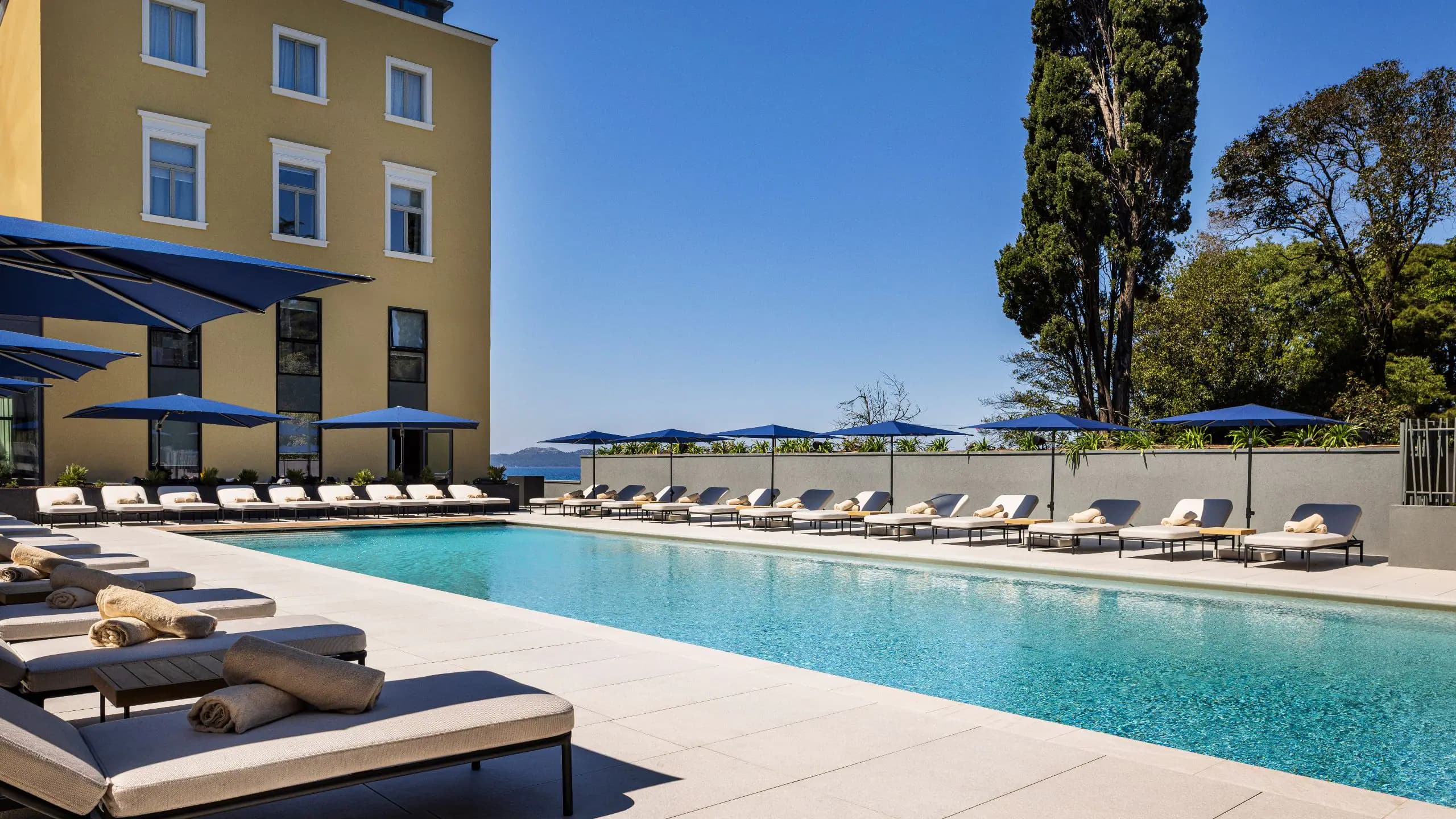
Valentin Röttger: The sea views are certainly one of the hotel's greatest assets, but they were never the only focus. From the very beginning, the vision was to create a place where guests could slow down, disconnect from the pace of everyday life, and recharge. That philosophy influenced everything, from the architecture and interior design to the flow of the public spaces, the wellness facilities, and the connection between the hotel and the waterfront. The sea creates the setting, but it's the overall experience that helps guests leave feeling refreshed.
5. Do you notice a visible shift in guests over a stay, how they arrive versus how they leave? What changes first? Zrinka Jeličić: Yes, you can often see a difference. Guests arrive carrying everything that comes with daily life. Work, busy schedules, family responsibilities and you can sometimes see it immediately in their body language. They may be tired, distracted or still very much connected to what is happening back home.
Usually, the first thing you notice is that they slow down. They become more relaxed, smile more, spend less time on their phones and simply have more time for themselves and for each other. With families especially, you often see them reconnect once they have that time together. By the end of the stay, people seem more present, and for me that is one of the nicest things to see.
6. Are there guests who've told you outright that being near the sea helped them through something: stress, grief, burnout? Zrinka Jeličić: Yes, guests do tell us that being by the sea helps them, particularly when they have been under a lot of stress or simply need a break. And often it is something very simple. Walking along the waterfront, listening to the waves or just sitting and looking at the sea.
Here in Zadar, the Sea Organ is a beautiful example of that. The movement of the Adriatic creates the sound and you see people sitting there just listening, sometimes for quite a long time. There is no agenda and nothing you need to do. I think the sea gives you that kind of space – sometimes to reflect, and sometimes simply not to think about anything for a while.
7. "Coastal wellness" gets used a lot in marketing right now. What do you think is genuine about it, and what's overstated?
Valentin Röttger: I believe the genuine part is simple: being close to the sea really does affect how people feel. Fresh sea air, natural light, the sound of the waves, and spending more time outdoors all encourage people to slow down and be more present. Those benefits are real and something many of our guests notice without us having to point them out. Where I think the term can be overstated is when it's used as a marketing buzzword on its own. The coastline is only one part of the experience. Real wellbeing comes from combining that natural environment with thoughtful hospitality, comfortable spaces, great food, quality sleep, and opportunities to disconnect from daily routines. Our goal is not to sell "coastal wellness" as a trend, but to create an environment where guests naturally feel better during their stay.
8. If someone can't get to the coast right now, what's one thing about being near the sea you'd tell them to try to recreate at home? I think it is less about trying to recreate the sea and more about recreating that feeling of switching off. Open a window, let some fresh air in, put your phone away and give yourself a few quiet minutes without anything demanding your attention. If the sound of waves relaxes you, listen to that too. We are all so used to filling every free moment with something. Being by the sea reminds you that sometimes you don't need to do anything at all. Even at home, I think we can give ourselves a little more of that.