
When Skincare Stops Working: Understanding Skin Burnout
Skin burnout is emerging as a modern skincare concern, driven by overuse of actives and disrupted skin rhythms. As the barrier weakens, sensitivity and imbalance follow. Experts now advocate a shift from correction to restoration—simplifying routines, supporting the skin’s natural cycle, and prioritising long-term resilience over quick, visible results.

In a culture that celebrates more (more steps, more actives, more results) our skin is quietly asking for less. What once felt like dedication to skincare is, for many, tipping into something else entirely: skin burnout.
According to Circadia, a global leader in chronobiology-based skincare, this rising concern is less about individual products and more about a deeper imbalance. At its core, skin burnout is a reflection of a compromised skin barrier, an essential, often overlooked system responsible for protecting, regulating, and repairing the skin.
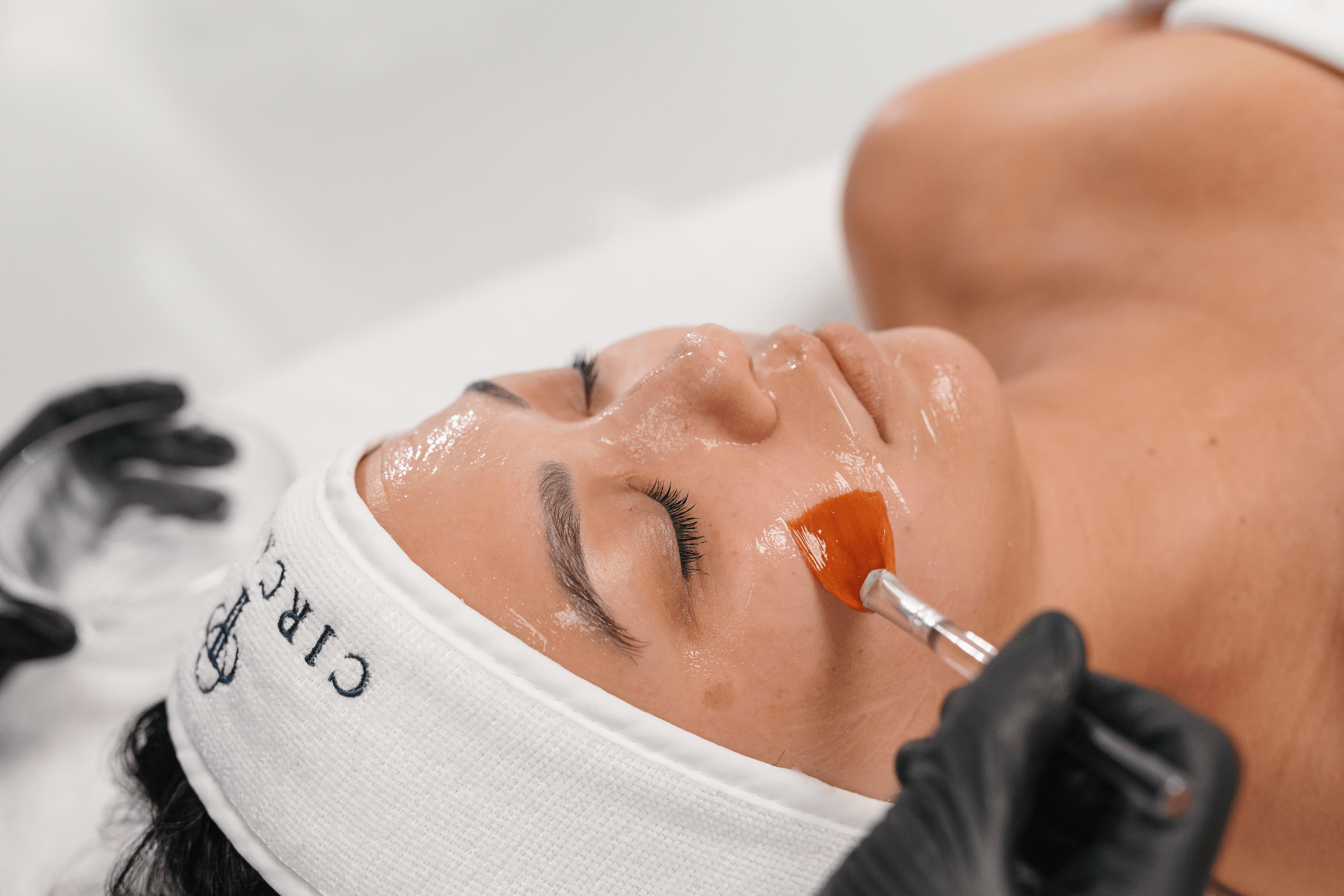
When skincare stops working
If your skin suddenly feels reactive, dull, or unpredictable despite using high-quality products, you’re not alone. Skin burnout often presents as persistent redness, dehydration, breakouts, or a general sense that your skin has “stopped responding.”
It’s a paradox of modern skincare: in trying to correct everything at once, we overwhelm the very system we’re trying to improve.
Frequent use of exfoliating acids, retinoids, and intensive treatments, without allowing time for recovery, gradually weakens the skin’s natural defenses. Add environmental stressors like heat, pollution, and constant air conditioning, particularly relevant in regions like the Middle East, and the result is skin that struggles to keep up. The issue goes deeper than product overload though, it’s also about rhythm.
The skin has a rhythm and we’re disrupting it
Circadia’s philosophy is rooted in chronobiology, the science of biological rhythms. The skin, like the rest of the body, follows a natural 24-hour cycle: protection by day, repair by night.
When we layer strong actives indiscriminately or ignore this rhythm, we interrupt the skin’s ability to regenerate effectively. Over time, this leads to increased sensitivity, slower healing and a visible loss of resilience.
In other words, the glow we’re chasing becomes harder to achieve, not because we’re doing too little, but because we’re doing too much.
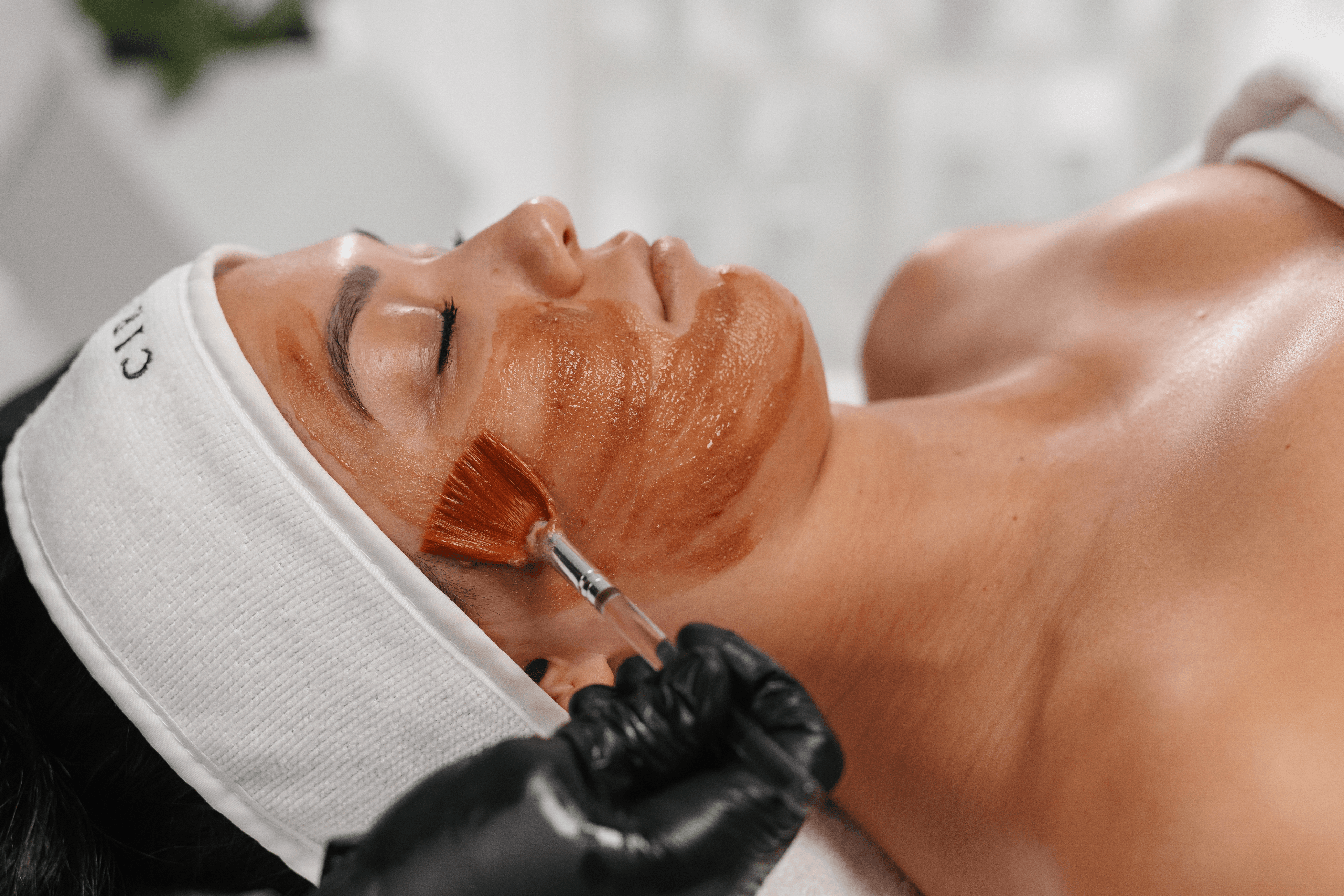
The shift: from correction to restoration
The solution isn’t another miracle product, but a mindset shift. Repairing skin burnout requires moving away from aggressive correction and towards restoration. This means simplifying routines and focusing on what the skin actually needs: stability, hydration, and support. Think of it as recalibrating rather than reinventing.
Instead of layering multiple actives, the focus turns to ingredients that strengthen and protect. Peptides help support repair, antioxidants defend against environmental stress, and hydrating complexes restore moisture balance. Together, they rebuild the skin’s ability to function on its own.
Equally important is aligning skincare with the skin’s natural rhythm. Daytime becomes about protection (think antioxidants and SPF), while nighttime supports regeneration and recovery.
It’s less about doing more and more about doing what matters.
Professional support: when skin needs extra care
For those experiencing more advanced skin burnout, in-clinic treatments can play a crucial role in recovery.
Circadia’s Calming Facial is designed specifically for compromised, reactive skin. Rather than stimulating or resurfacing, it focuses on soothing inflammation, reducing redness, and restoring balance. Using oxygen therapy, the treatment supports healing while targeting acne-causing bacteria, making it particularly effective for stressed, breakout-prone skin.
What makes this approach different is its restraint. Instead of pushing the skin further, it meets it where it is, gently guiding it back to equilibrium.
Other treatments, such as mild exfoliation and barrier-supportive protocols, are introduced gradually, ensuring the skin rebuilds strength before more intensive interventions are considered.
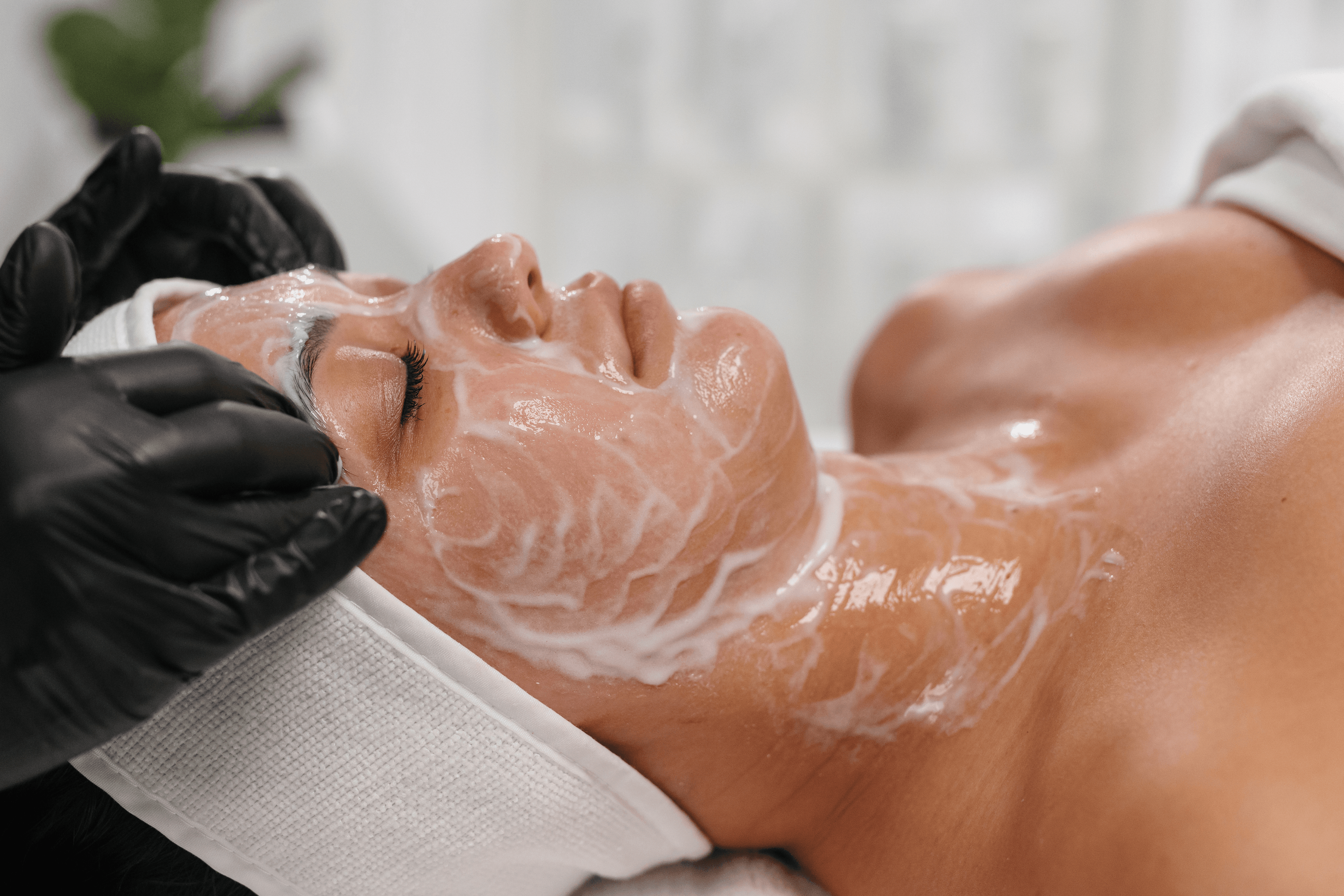
The new luxury: resilient skin
There’s a quiet shift happening in the world of skincare. The obsession with instant results is giving way to something more sustainable: long-term skin health.
Resilient skin (calm, balanced, and able to adapt) is becoming the new benchmark of beauty, and perhaps that’s the real takeaway. Skin burnout isn’t just a condition—it’s a signal, a quiet reminder that skin doesn’t flourish under pressure, but through consistent and thoughtful care.