
Wellness-Led Travel Takes Centre Stage at the World Cup
The World Cup is reshaping GCC travel into longer, wellness-led journeys across North America, where sport anchors multi-destination itineraries. Affluent families are prioritising comfort, recovery and cultural experiences between matches. Beverly Hills emerges as a discreet, wellness-focused base near Los Angeles, offering privacy, family-friendly luxury and seamless access to stadium fixtures.

The World Cup begins tomorrow, and while the spotlight will inevitably fall on the opening fixtures, something quieter, but far more transformative, is already reshaping how it will be experienced. For affluent GCC travellers, this is no longer simply a tournament to attend. It is becoming a catalyst for a new kind of journey: slower, longer, more restorative, and increasingly centred on wellbeing, connection and lifestyle balance.
What is emerging reflects broader 2026 travel trends that favour experience-led, multi-destination itineraries. Major sporting events are no longer standalone stops. Instead, they act as anchor moments within wider journeys that blend sport, wellness, culture and family time. For GCC travellers heading to North America this summer, the World Cup is becoming the starting point for a broader exploration across the United States, Canada and Mexico, with each destination contributing to a more holistic travel experience.
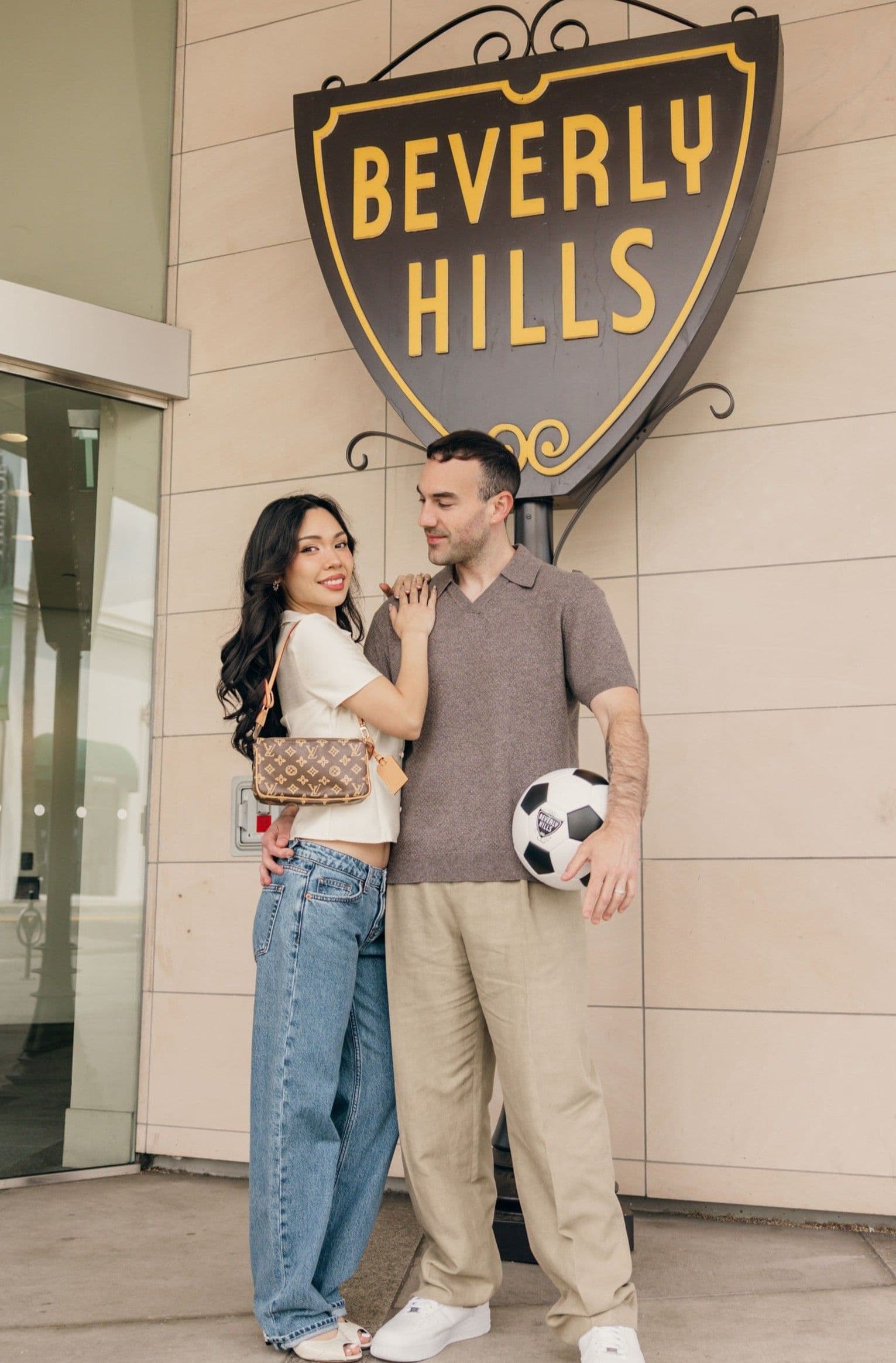
From Matchdays to Meaningful Stays
Unlike Qatar 2022, where proximity allowed for frequent return trips and short stays, the 2026 World Cup spans vast distances and multiple time zones. That geographical scale is subtly reshaping behaviour. Rather than flying in and out for individual matches, GCC travellers are expected to adopt longer, more continuous stays, weaving together multi-city itineraries that allow for both movement and recovery.
This shift has important implications for wellness. Extended travel naturally introduces the need for balance: slower mornings after evening fixtures, recovery time between cities, and environments that support rest as much as activity. In this context, destinations are no longer judged solely by proximity to stadiums, but by their ability to restore energy, provide privacy, and support family wellbeing.
Beverly Hills: a wellness base between fixtures
Within this evolving travel landscape, Beverly Hills is quietly emerging as a key wellness-oriented base. Just minutes from SoFi Stadium in Los Angeles, the city offers a rare combination of connectivity and calm, an essential pairing for multi-generational GCC families navigating packed tournament schedules.
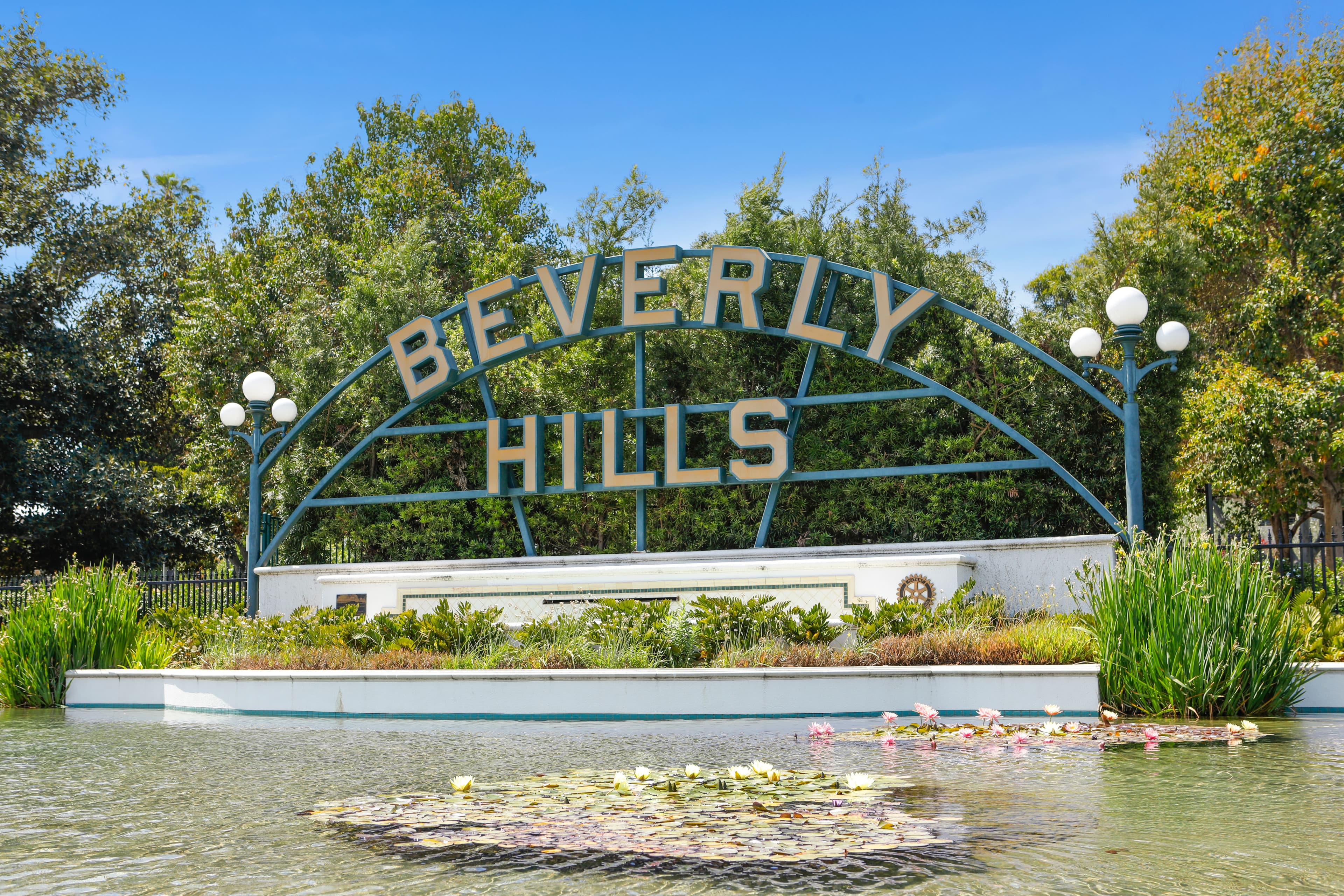
Long positioned as one of California’s most discreet luxury enclaves, Beverly Hills is defined by privacy, walkability and service-led hospitality. But increasingly, it is also being understood through a wellness lens: spacious suites designed for rest and recovery, personalised concierge services that reduce travel friction, and a calm urban environment that contrasts with the intensity of matchdays.
For families travelling together, this matters. Wellness is no longer limited to spa treatments or fitness facilities; it extends into the structure of the journey itself. Seamless stadium transfers, flexible dining schedules aligned with late fixtures, and culturally attuned hospitality all contribute to a sense of ease that supports both physical and emotional wellbeing.
A city responding to the tournament
In recognition of this shift, Beverly Hills is introducing a series of curated citywide activations during the tournament period, running from 12 June to 10 July 2026. Under the theme Culinary Goals: A Global Game-Day Celebration in Beverly Hills, the city’s hotels and restaurants will present limited-edition menus inspired by participating teams in Los Angeles, transforming dining into a shared cultural experience.
Participating venues include iconic properties such as The Beverly Hills Hotel, L’Ermitage Beverly Hills, The Maybourne Beverly Hills, The Peninsula Beverly Hills and Avalon Hotel Beverly Hills, alongside restaurants including Bacari and Marea Beverly Hills. The programme also includes a philanthropic dimension, with optional donations supporting the LA Galaxy Foundation, linking celebration with community impact, a growing priority for wellness-conscious travellers.
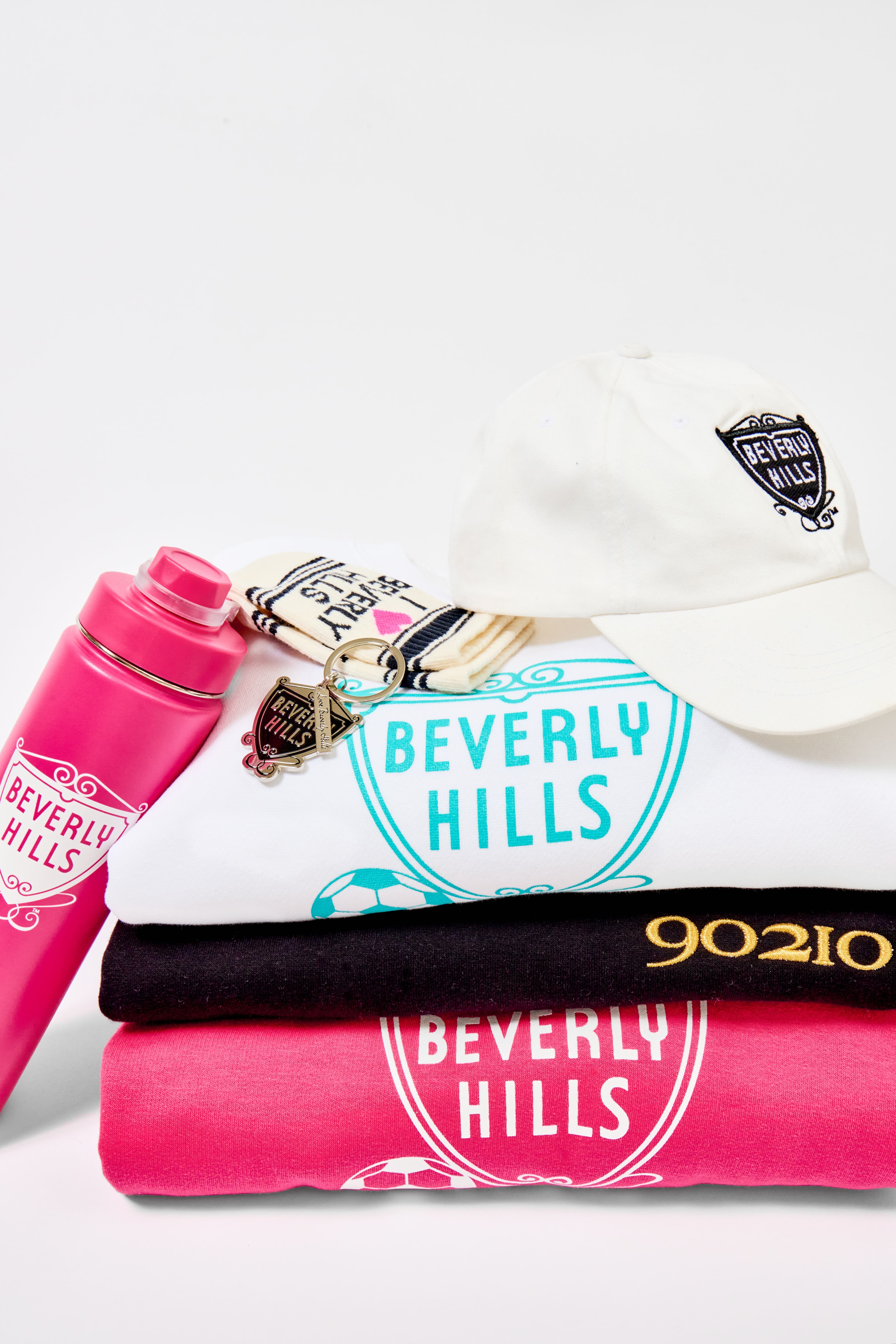
Alongside this, a limited-edition Beverly Hills Football Club collection brings together sport, design and California lifestyle aesthetics, reinforcing the city’s role as a cultural backdrop to the tournament rather than simply a place to stay.
Family wellness at the core of travel design
What sets this moment apart is the increasing focus on family wellbeing. GCC travellers are not only extending their stays but designing them around multi-generational needs: recovery for parents, engagement for younger travellers, and comfort for older family members.
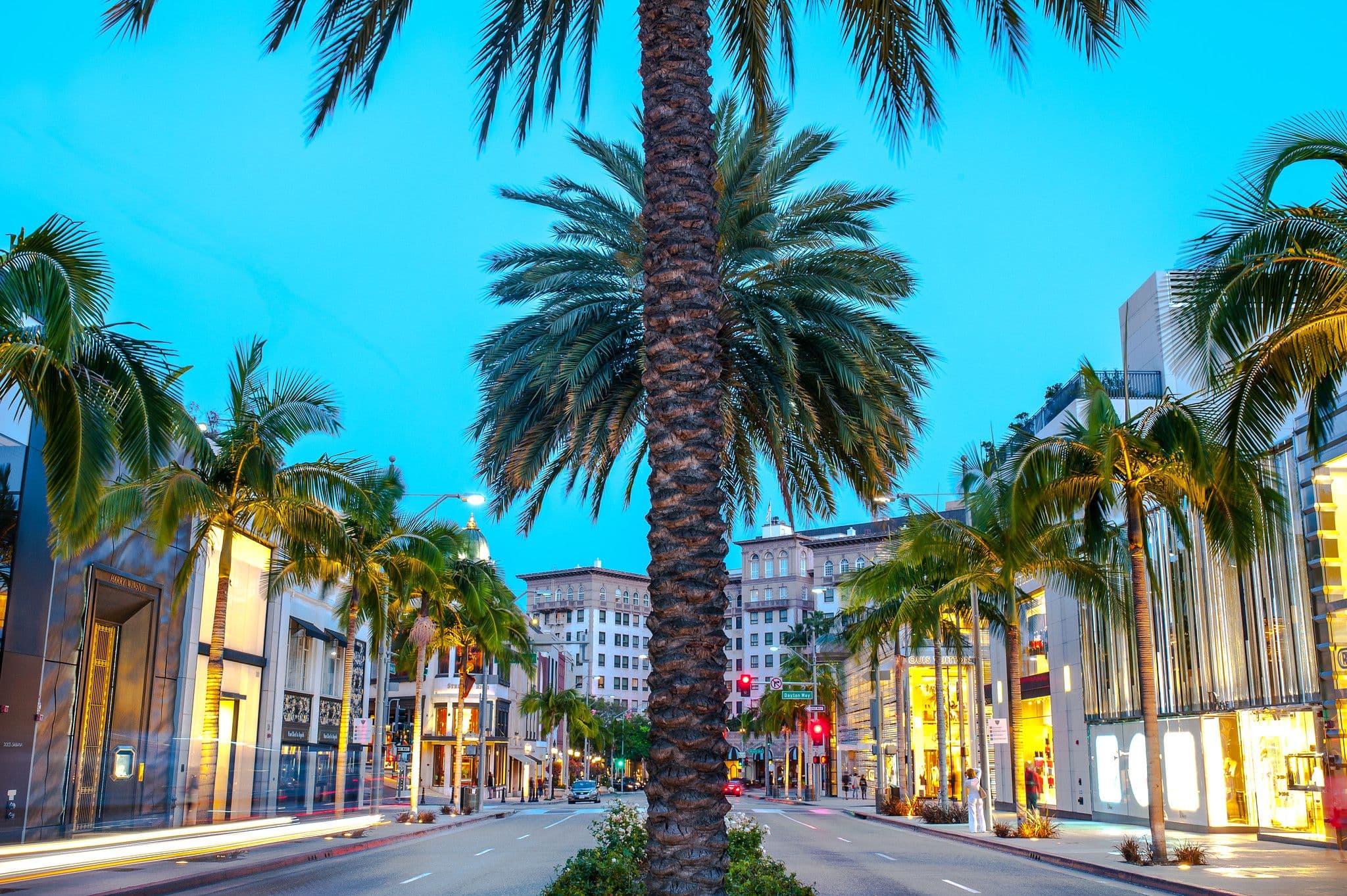
Beverly Hills responds naturally to this dynamic. Its hospitality ecosystem is built around flexibility and discretion, offering connecting suites, private dining spaces, multilingual concierge teams and personalised shopping experiences. Wellness here is not an add-on, but embedded in how the city functions.
As Julie Wagner, CEO of the Beverly Hills Conference & Visitors Bureau, notes, families are curating travel that feels as considered as a marquee holiday. Meanwhile, hotels such as The Maybourne Beverly Hills highlight how services now extend beyond traditional luxury into culturally aware hospitality, including Arabic-speaking staff, halal-friendly dining options and tailored wellness offerings designed for long-haul international guests.
Beyond the stadium: recovery, culture and connection
As matchdays intensify, the time between fixtures becomes just as important. Beverly Hills offers access to recovery-focused wellness experiences, from restorative spa treatments to low-impact fitness and outdoor leisure. Equally, its proximity to Los Angeles, Malibu and wider Southern California allows travellers to integrate nature, culture and coastal calm into their itineraries.
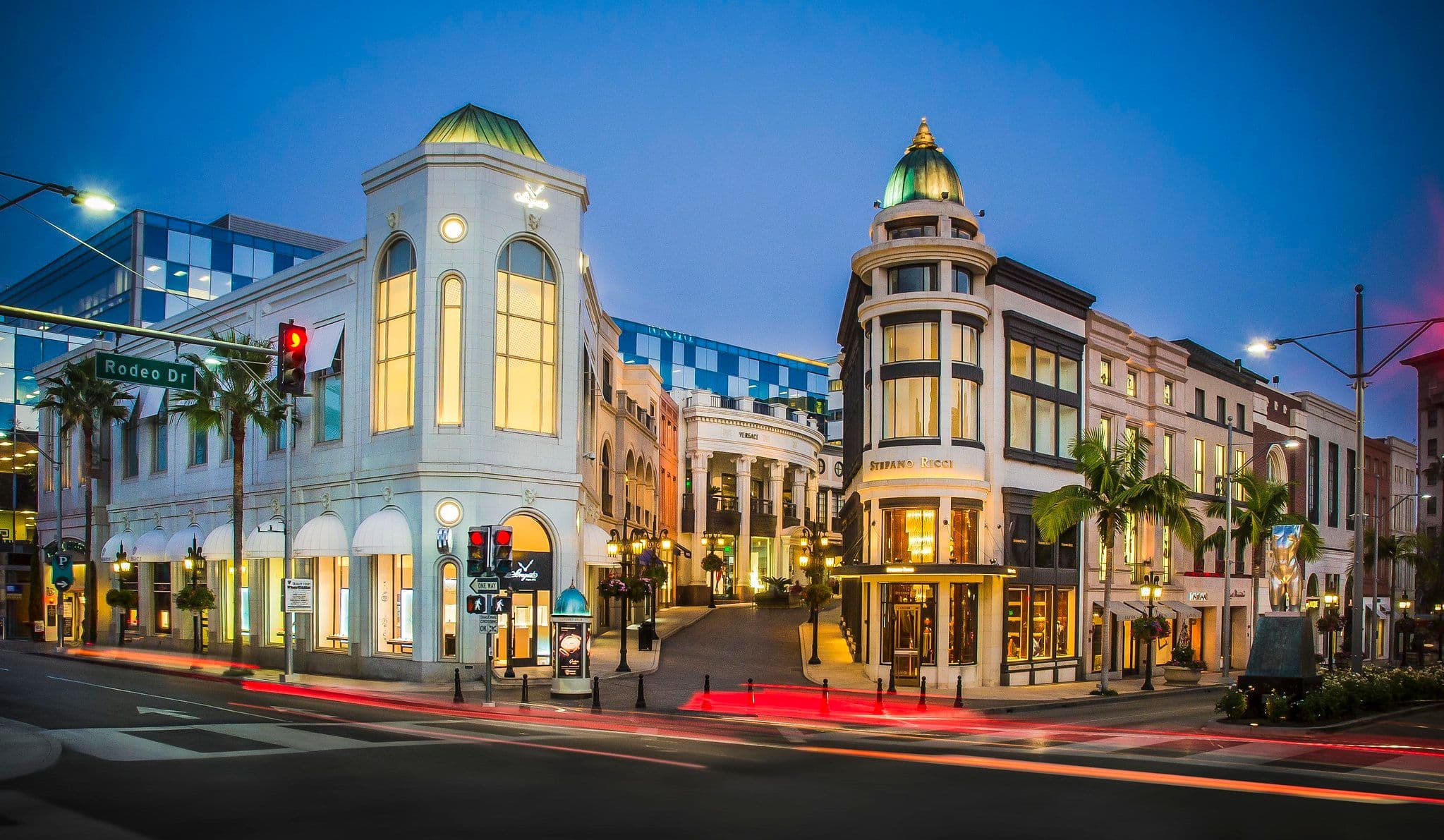
For many GCC families, this represents a shift in mindset. The World Cup is no longer a series of isolated sporting events, but part of a broader wellness journey, one that values shared time, emotional balance and meaningful experience as much as the game itself.
A new model of sports travel
As the World Cup begins, it is clear that its legacy will extend far beyond the pitch. In 2026, sports travel is becoming something more fluid and holistic: a blend of competition, recovery, exploration and family connection.
In that landscape, Beverly Hills is not simply a destination near the stadium. It is emerging as a wellness-led anchor point within a much larger journey, one that reflects how affluent GCC travellers are redefining what it means to travel for sport in the modern era.
The game may last 90 minutes. The journey, this summer, is something far more expansive.