
The Pinktober Check-In: Sequoia Clinic on What Your Body Needs You to Notice
Pinktober is more than a reminder to prioritise breast health; it’s an invitation to take a closer look at our overall wellbeing. Sequoia Clinic explores the importance of early detection, routine health checks and listening to your body, encouraging a more proactive approach to prevention that extends far beyond October.

Every October, pink ribbons remind us to pay closer attention to breast health, but once Pinktober ends and the awareness campaigns fade, how many of us return to putting our own health checks on hold?
Preventative healthcare rarely feels urgent when nothing appears to be wrong. There are no obvious symptoms, no immediate reason to rearrange a busy schedule and no guarantee that a routine appointment will uncover anything unexpected. Yet this is precisely why regular health checks matter: some conditions can develop quietly, making it important to understand which screenings are appropriate for your age, medical history and individual risk.

At Sequoia Clinic in Dubai, the message this Breast Cancer Awareness Month is to look beyond a single condition and consider the bigger picture of long-term wellbeing.
Breast health is everyone’s business
Breast cancer is often associated with women, but it can affect men, too. Although it is considerably less common in men, unfamiliar lumps, swelling, nipple changes or other unusual symptoms should never be dismissed simply because breast cancer feels unlikely.
For women, breast health is an ongoing conversation rather than a once-a-year reminder. Understanding what is normal for your body, noticing changes and discussing screening options with a healthcare professional can help you make informed decisions about when further assessment is appropriate. The right approach depends on factors including age, family history and personal risk.
“Breast health should never be approached with a one-size-fits-all mindset,” says Dr. Alia of Sequoia Clinic. “Age matters, but so does family history, personal risk factors and any new or persistent changes in the body.”

The takeaway is simple: awareness is valuable, but it should translate into action when something feels different. A new or persistent change warrants medical advice rather than waiting for the next awareness campaign.
The checks that can slip through the cracks
Breast health may be the starting point, but it is far from the only area deserving attention. Blood pressure, cholesterol and blood glucose can provide important insights into cardiovascular and metabolic health, even when you feel perfectly well.
Depending on your circumstances, a healthcare professional may also recommend blood tests to investigate iron levels, nutritional deficiencies or persistent fatigue. The key is not to request every available test, but to understand which assessments are relevant to your symptoms, risk factors and medical history.
Women, in particular, may become accustomed to changes that deserve a closer look. Irregular periods, shifts in energy, sleep disturbances and other symptoms can have several explanations, including hormonal changes, stress or underlying health conditions. While not every change signals a problem, persistent or disruptive symptoms are worth discussing rather than automatically attributing them to a busy lifestyle.
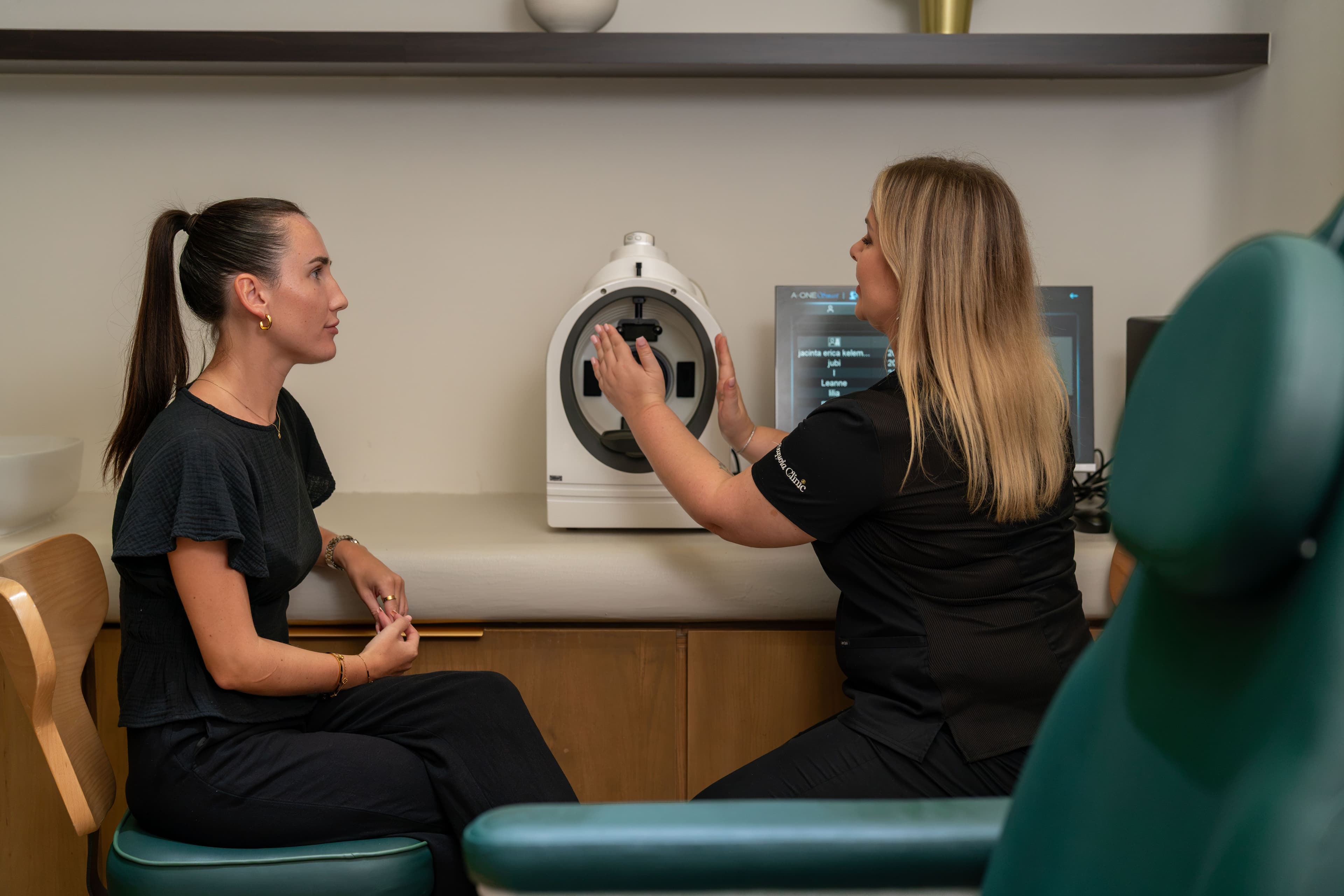
“One of the biggest challenges with preventative health is that people often normalise changes or assume they are not important enough to investigate,” says Dr. Parisa of Sequoia Clinic. “Paying attention to what is new or unusual for your body, and acting on it early, is an important part of looking after your long-term health.”
Your health changes as you do
Preventative healthcare should evolve throughout life. Cervical screening, for example, follows its own age and risk-based recommendations, while conversations about fertility, menstrual health and hormonal changes may become more relevant at different stages of adulthood.
Perimenopause and menopause also deserve attention beyond the familiar symptoms. Changes in bone density, muscle mass and metabolic health can influence long-term wellbeing, making strength-building exercise, adequate nutrition and appropriate clinical assessments important considerations. Whether a bone-density scan or additional testing is recommended depends on individual risk and medical guidance.
Men have their own preventative health priorities, from monitoring cardiovascular risk factors and metabolic markers to discussing age-appropriate screening and family history with their doctors. Persistent physical changes should not be ignored simply because they seem manageable or do not interfere with daily life.
Rather than treating health as a series of isolated appointments, it helps to see it as an ongoing relationship with your body. A conversation today may establish a useful baseline, clarify a concern or help determine when a future check is due.
Turning awareness into action
The idea of preventative healthcare can quickly become overwhelming, particularly when wellness culture makes it seem as though everyone needs a long list of tests, supplements and screenings. In reality, more testing is not automatically better. Unnecessary investigations can create anxiety and lead to follow-up procedures that may not be needed.
A more considered approach begins with a few practical questions: When did I last review my blood pressure? Am I due for cervical or breast screening? Have I noticed a persistent change that I keep putting down to stress? Is there a family history I should discuss with my doctor?
From there, a healthcare professional can help prioritise the checks that make sense for you, taking into account your age, symptoms, family history and overall health.
Pinktober offers a timely reminder, but looking after yourself should not be confined to October. Whether it means booking a screening, investigating an unexplained symptom or simply having a conversation you have been postponing, the most valuable step is often the one you take before something feels urgent.


