
The Mediterranean Wellness Escape Bringing Sport and Luxury Together
As wellness travel evolves, luxury destinations are moving beyond traditional spa experiences toward performance-led escapes focused on movement, longevity and mental wellbeing. With the launch of the Mouratoglou Tennis Centre, Mandarin Oriental, Bodrum reflects a growing shift towards active luxury, where sport, recovery and meaningful wellbeing experiences increasingly define modern travel.

Wellness travel is changing. For years, luxury escapes were defined by stillness: spa treatments, poolside afternoons and detox menus served overlooking impossibly blue water. Increasingly, a new kind of traveller is emerging, one who wants movement as much as rest. Performance alongside relaxation. Energy, not just escape, and nowhere is that shift becoming more visible than in the rise of sport-led wellness destinations.
This season, Mandarin Oriental, Bodrum is stepping directly into that conversation with the launch of the Mouratoglou Tennis Centre, created in partnership with legendary tennis coach Patrick Mouratoglou, the man best known for coaching Serena Williams and helping shape some of the sport’s most iconic modern athletes.
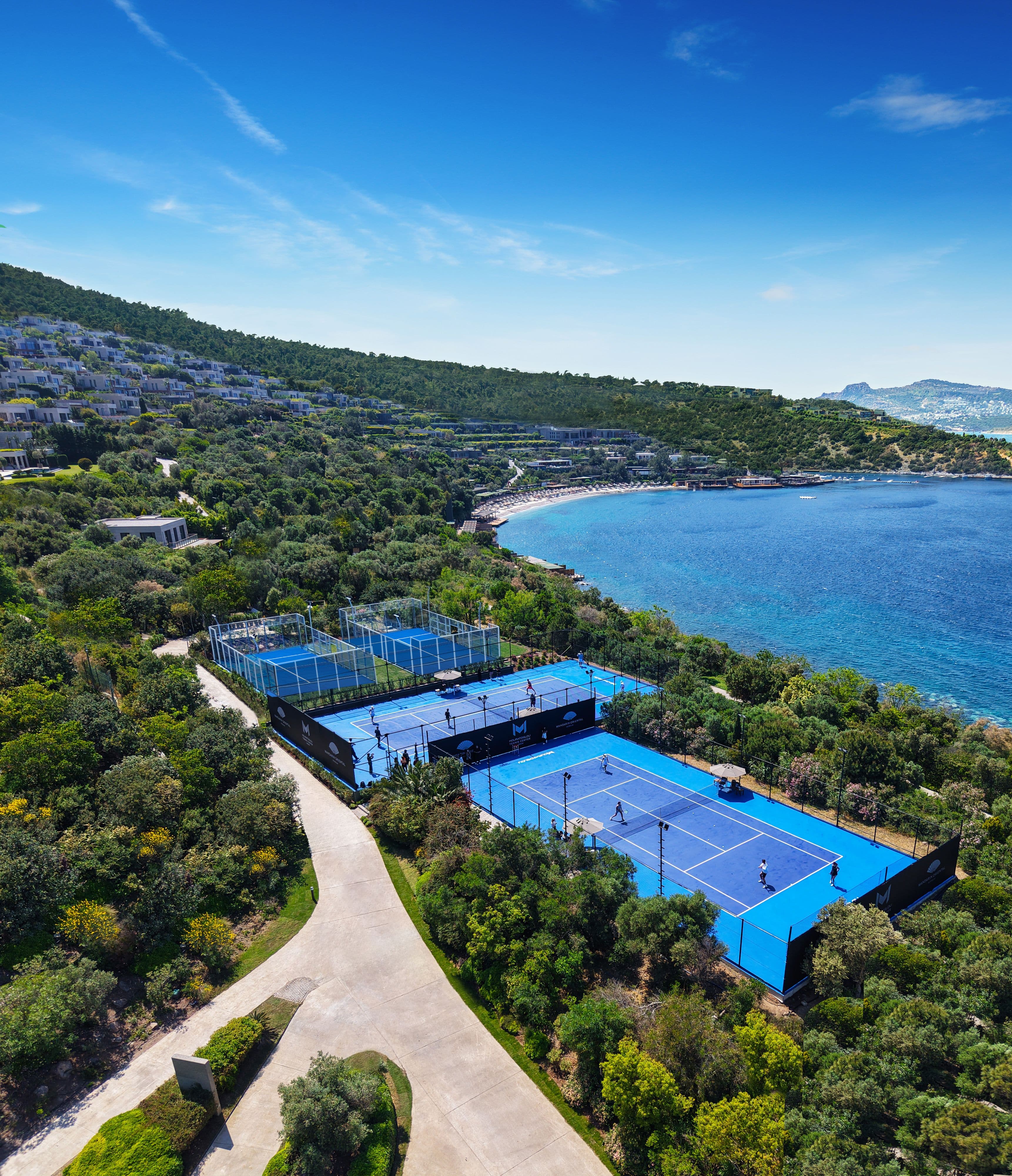
Set against the backdrop of Bodrum’s Paradise Bay, the opening signals something much larger than a luxury hotel partnership. It reflects a growing evolution in the way wellness itself is being defined because today, wellness is no longer only about slowing down, but about feeling fully alive.
The rise of performance wellness
The modern wellness traveller is increasingly moving away from passive luxury and toward experiences that combine movement, longevity and mental performance. Cold plunges have replaced champagne breakfasts. Recovery lounges sit beside infinity pools. Sleep optimisation, mobility training and nervous system regulation are becoming just as desirable as spa menus and beach clubs.
Sport, once viewed separately from luxury hospitality, is now becoming central to it, and tennis in particular is having a cultural resurgence. Part of that comes from its unique positioning within wellness culture itself. Tennis blends movement, strategy, coordination, focus and social connection in a way few sports do. It trains both the body and the mind simultaneously, which feels especially relevant in a world increasingly obsessed with cognitive performance and healthy ageing.
The opening of the Mouratoglou Tennis Centre at Mandarin Oriental, Bodrum taps directly into this growing appetite for wellness experiences that feel energising rather than purely restorative.
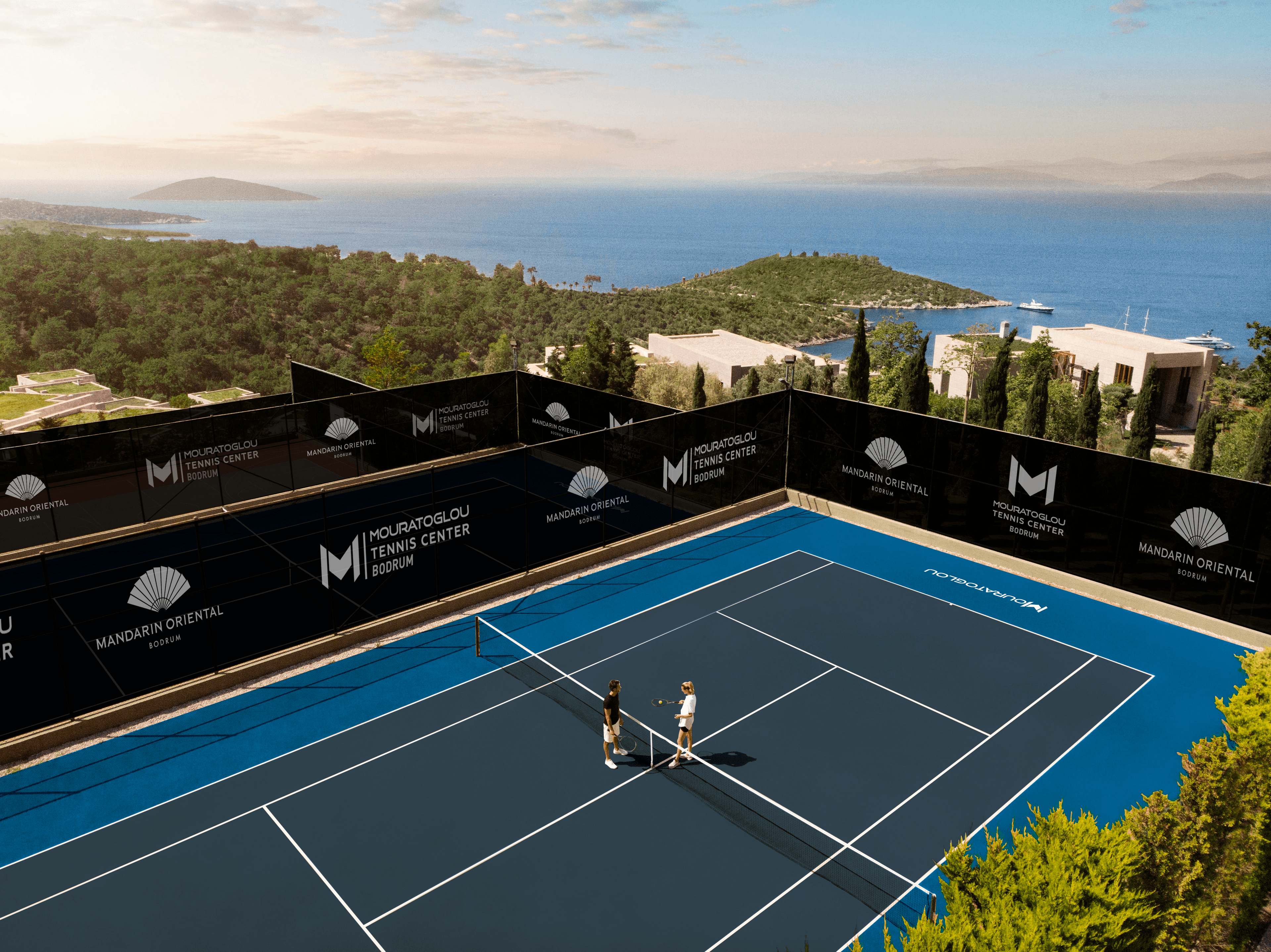
Nestled within the Aegean landscape, the resort’s three tennis courts and three padel courts are designed for players of all levels, bringing elite-level coaching philosophy into one of the Mediterranean’s most luxurious destinations.
Perhaps that’s what makes this collaboration so interesting, as it bridges two worlds that increasingly overlap: high performance and high luxury.
Wellness is becoming more experiential
There was a time when wellness in hospitality largely meant a spa hidden quietly underground. Now, it shapes the entire identity of a destination.
At Mandarin Oriental, Bodrum, wellness moves through every layer of the experience, from movement and gastronomy to nature, design and sensory living. The resort’s setting alone feels intentionally therapeutic: olive trees, pine forests, sea air and panoramic views across the Aegean create the kind of environment people increasingly travel to find relief from overstimulation and urban fatigue. While luxury still exists here, it feels less performative and more lifestyle-driven.
Guests can move from a morning tennis session into holistic spa treatments, Mediterranean dining experiences or long afternoons by the sea. It reflects the growing idea that wellness isn’t a separate activity squeezed into a holiday itinerary, but something integrated into the way people want to live altogether.
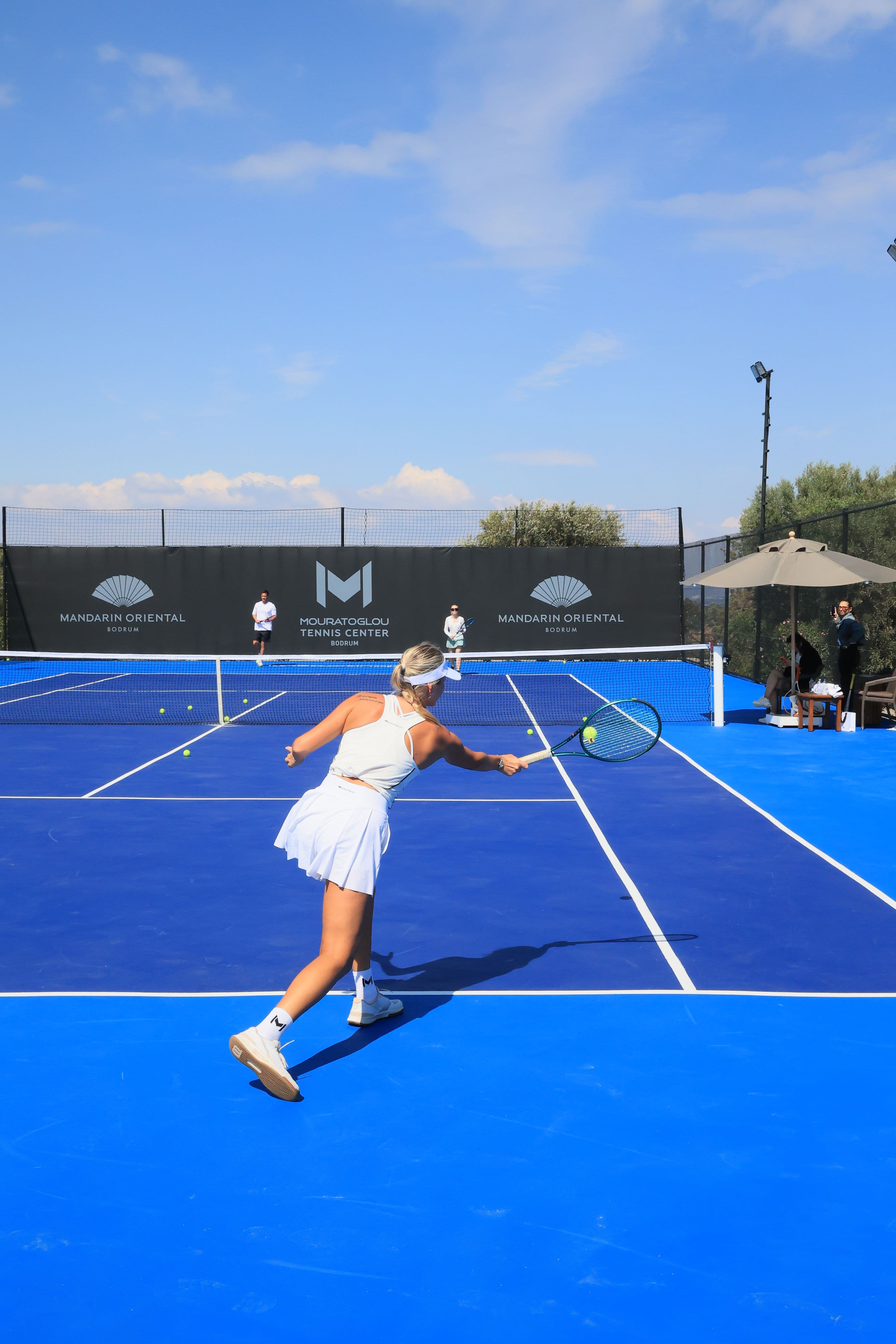
That philosophy aligns closely with Patrick Mouratoglou’s own approach to performance. Elite sport today is no longer simply about physical endurance. It’s about mental resilience, emotional discipline, recovery and longevity. The best athletes in the world understand that sustainable performance depends on balance as much as intensity. Increasingly, everyday wellness culture is borrowing from that mindset too.
The new wellness status symbol
There’s also something symbolic happening culturally around destinations like this. Luxury used to revolve around exclusivity alone. Today, it increasingly revolves around optimisation and wellbeing. People still want beautiful hotels and exceptional service, but they also want experiences that leave them feeling healthier, sharper and more connected to themselves when they return home.
Wellness has become aspirational not because people want perfection, but because modern life feels increasingly exhausting. That’s why active escapes resonate so deeply right now, as they offer something many people are missing in everyday life: presence.
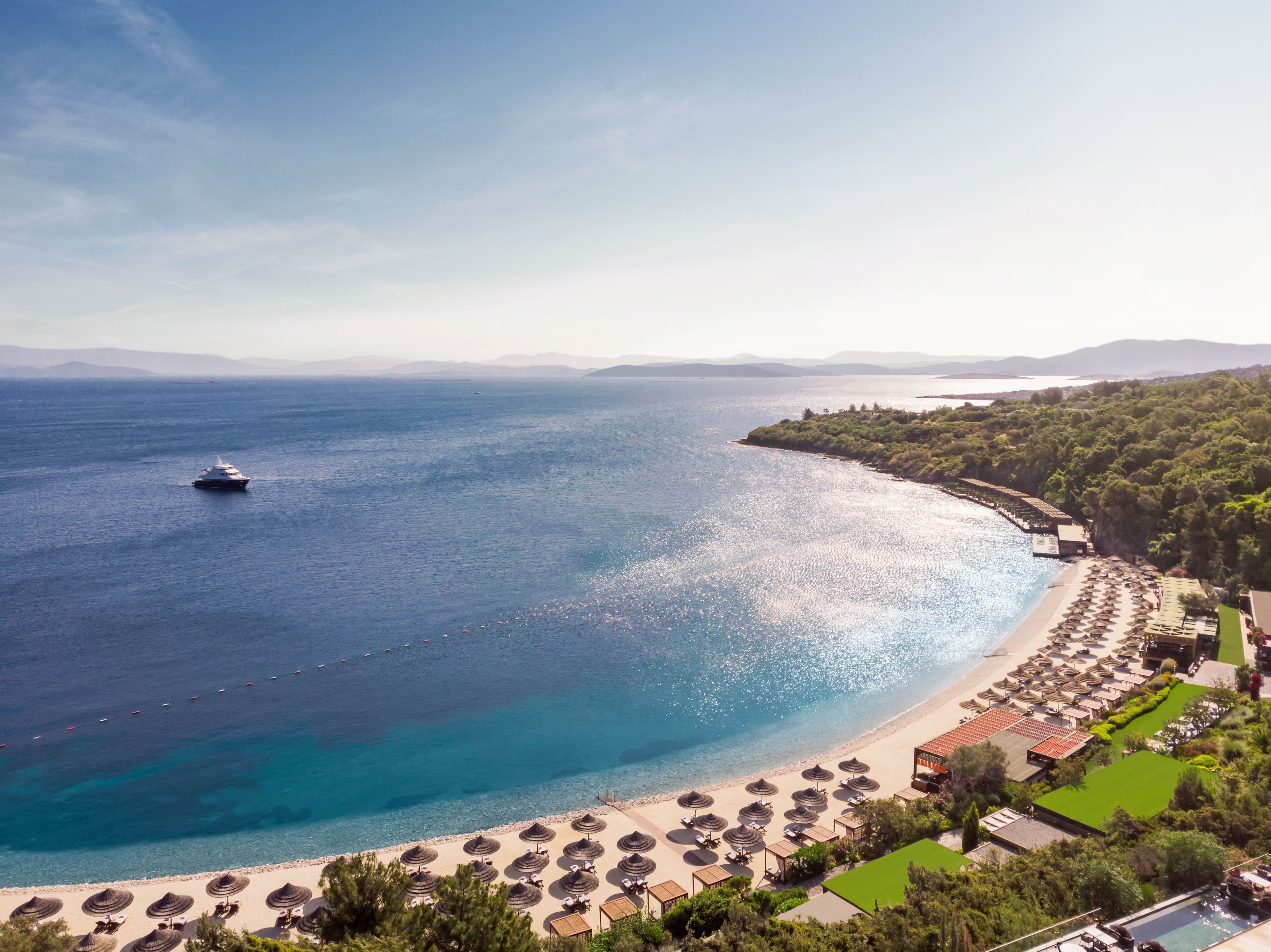
Tennis requires focus. Movement demands attention. Nature slows the nervous system down. Even shared physical experiences, whether padel matches, recovery rituals or long Mediterranean dinners, create a kind of grounded connection people are craving more than ever in a hyper-digital world.
At Mandarin Oriental, Bodrum, the addition of the Mouratoglou Tennis Centre feels less like a hotel expansion and more like a reflection of where luxury wellness is heading next. The future of wellness may not be about escaping life altogether, but learning how to feel stronger, sharper and more alive within it.