
The Luxury No One Sees: Clarisse Mar on Comfort, Quality, and What We Actually Live In
We spend freely on what other people see and barely think twice about what touches our skin the most. That's the contradiction Clarisse Mar, founder of UAE based innerwear brand Rawform, couldn't unsee after two decades in advertising. In this conversation with TWC, she traces how the pandemic quieted the performance of getting dressed for the world and turned attention inward instead, why comfort is finally being read as a marker of quality rather than a compromise, and how the Middle East's own tradition of considered layering shaped a brand built on the idea that the unseen layer deserves the same care as everything worn over it. It's a conversation about invisible luxury: what it means, why now, and what it feels like to finally get it right.

1. You've said you noticed a contradiction between how women spend on what's visible versus what they actually live in every day. Can you walk us through the moment that contradiction became impossible to ignore?
Honestly, it wasn't a single lightning-bolt moment, it built up. I'd spent 20 years in advertising watching brands pour everything into the surface - the campaign, the hero shot, the packaging. And I'd do the same as a consumer. I'd think nothing of considering spending on a bag or a dress, then buying underwear in a multipack without a second thought about what it was made of or how it was cut. The thing that made it impossible to ignore was realising the item I wore closest to my skin, for the most hours, was the one I'd applied the least thought to. That's backwards. We're happy to invest in what gets seen and indifferent to what we actually live in. Once you notice that gap you can't unsee it.
2. You describe luxury as shifting from an outward signal to an inward one, a private marker of self-care rather than status. When did you first notice this shift happening around you, before it became a broader conversation?
I don't want to overclaim being ahead of it, because I think a lot of people arrived at this at the same time. For me it crystallised around 2020. The pandemic forced a kind of stripping-back, nobody was seeing anybody, the whole performance of dressing for the outside world just stopped. And in that quiet, people started paying attention to what actually affects them day to day. What they were eating and where it came from. Their mental health. The quality of their sleep, their space, their time. Whether the things they were buying were doing them or the planet any good. Suddenly the superficial stuff we'd defaulted to for years felt a bit hollow, because there was no one to perform it for.
You saw it show up everywhere afterward, the content shifted with it. Feeds filled up with people talking about what they consume, how they live, what they've cut out, rather than just what they're showing off. That told me it wasn't a niche instinct, it had become mainstream. Status is outward-facing and exhausting to maintain. This other kind of attention is private, it's for you, and once people got a taste of prioritising how life actually feels over how it looks, they didn't really want to go back.
3. Comfort was traditionally seen as the opposite of luxury. Why do you think that association is breaking down now, and what changed?
For a long time luxury meant sacrifice, such as the shoe that looks incredible but destroys your feet or the fabric you can't sit down in. Comfort was coded as lazy, or cheap, the thing you settled for. What's changed is that people have enough information now to be sceptical of that trade-off. Once you understand materials and construction, you realise discomfort usually isn't the price of quality, it's often just bad design. A truly well-made item tends to feel good, that's part of the craft. So comfort stopped being the opposite of luxury and started being evidence of it. If something looks refined but feels punishing, that now reads as a failure, not a flex.
4. You mention other Dubai based brands, in fabrics, skincare, and even candles, that seem to be part of the same quiet movement toward "unseen" luxury. What do you think it is about this moment, or this region, that's producing so many of these brands at once?
A few things at once. There's a generation of founders here who've worked inside big international companies, who understand product and standards and who now want to build something of their own with that knowledge. The customer here is genuinely discerning and well-travelled, so you can't get away with surface-level. There's a growing confidence at play. For a long time, to signal quality here you almost had to reach for an imported luxury language, and that's shifting. Founders and customers alike seem more secure now building from their own reference points rather than borrowing someone else's, and that self-assurance is exactly what produces restrained, original brands instead of louder imitations of elsewhere.
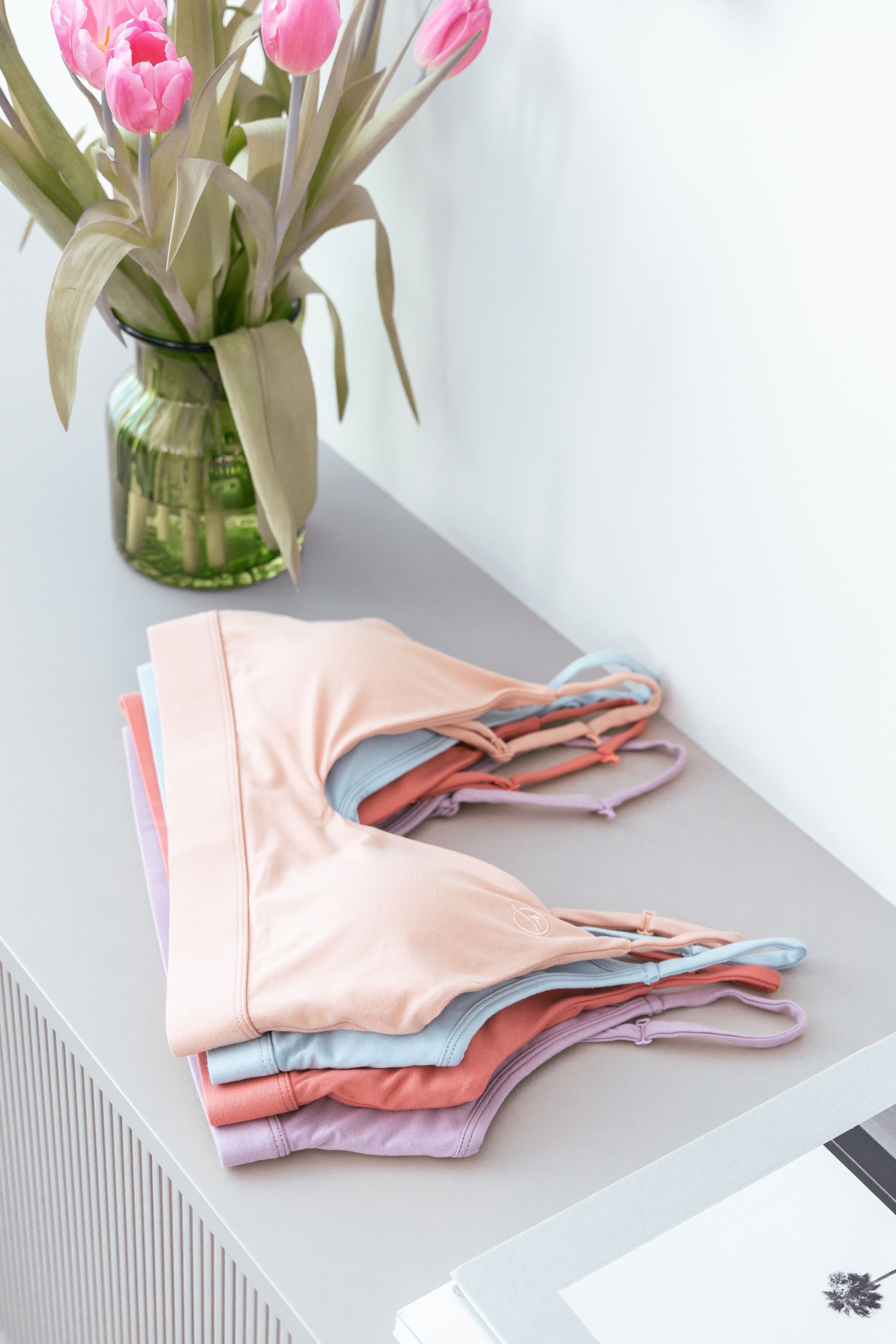
5. The Middle East is described as a genuinely interesting vantage point on this shift because fashion here has "always operated in layers, both literally and culturally." Can you unpack what you mean by that, and how it shaped Rawform's approach?
Literally, dressing in this region has always involved considered layering. There's a base layer, there's what's worn over it and each layer has its own logic and its own craft. Crucially, the unseen layer is never treated as an afterthought here, the care goes all the way down, not just to the surface everyone sees.
Culturally, restraint isn't foreign to this region, it's traditional. Modest dress has always been about understatement and what's held back rather than what's displayed, so the value doesn't live only in the outermost, most visible layer. That's a sensibility I recognised in what I was trying to build. The idea that the foundation layer deserves the same attention as everything on top of it isn't radical here, it's almost a return to something the region already understood. Rawform sits very naturally in that, we're just applying it to a category most people had stopped thinking about.
6. Rawform was built on the premise that the unseen layer "deserves engineering, not indifference." What does that actually look like in practice, in terms of fabric choice, construction, or fit?
Honestly it comes down to caring about the parts most people ignore. Where a seam sits and whether it rubs after you've had it on for ten hours. Whether a waistband holds without digging in. How the fabric actually behaves when you move and sweat, not how it looks lying flat in a photo. I pick materials for how they feel against skin over a full day and how they hold up after being washed a hundred times, not for what's cheapest or what photographs well.
Indifference is buying a stock template, printing a logo on it, and calling it a product. Most basics are made exactly that way. Engineering, for us, just means refusing to do that, being genuinely fussy about the millimetre of a seam nobody will ever consciously notice but everyone can feel. It's less glamorous than it sounds. It's mostly just not letting the boring, invisible details slide the way the industry usually does.
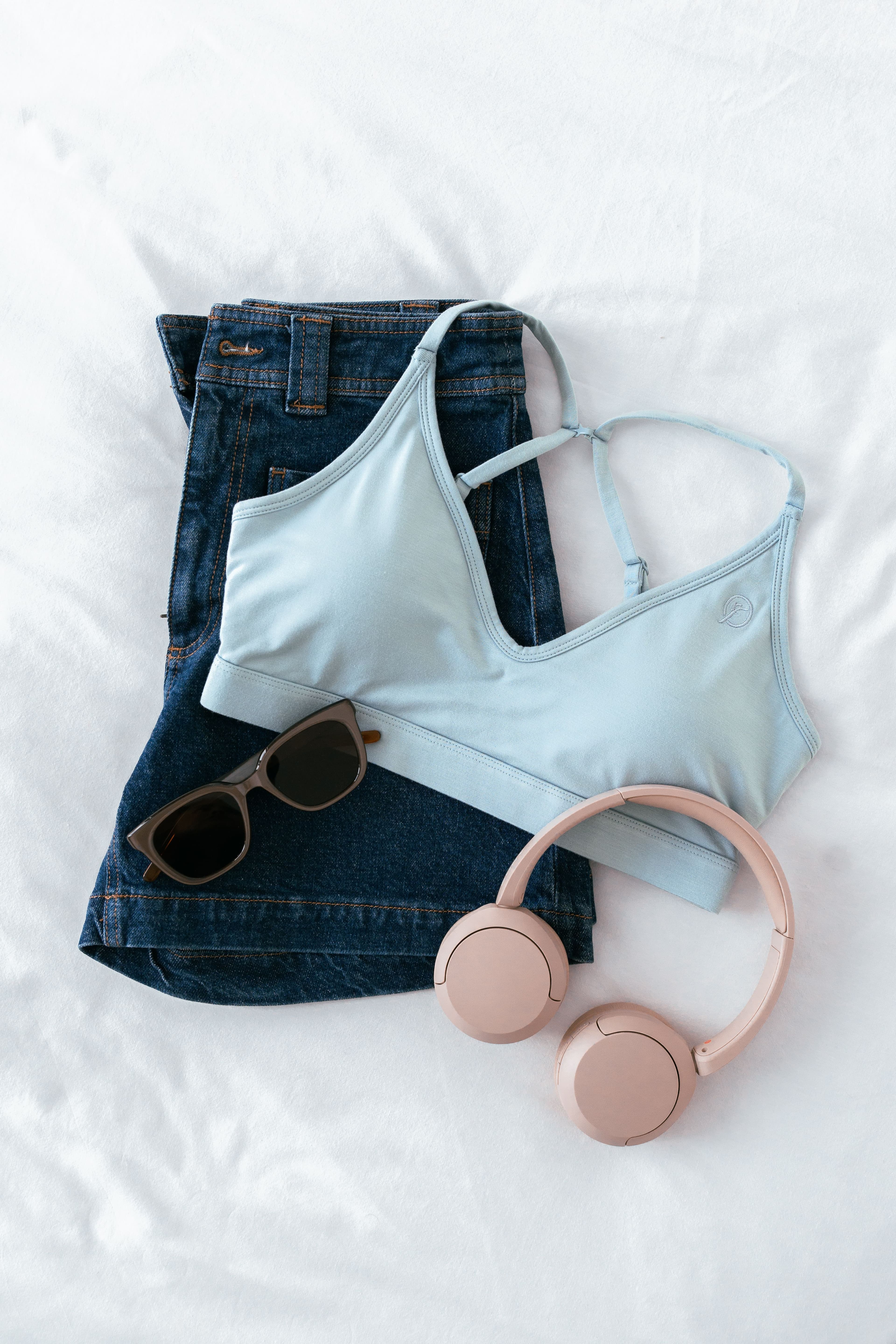
7. You're careful to say you never set out to make a statement about underwear specifically, but to question why that category was exempt from the standards applied elsewhere. What other categories do you think are still waiting for that same reckoning?
Socks and stockings, most obviously. Same logic exactly, worn constantly, in contact with skin all day and bought in multipacks nobody ever examines. There's actually a huge range there, such as everyday socks, sports socks, women's stockings and hosiery, and almost all of it is still treated as a throwaway afterthought rather than something engineered to feel good. It's underwear's closest sibling, and it's overdue.
8. If invisible luxury is judged by what can be felt rather than seen, how do you measure success for Rawform, what does "getting it right" feel like from the inside, versus how it might look from the outside?
From the outside, success looks like the usual markers, such as sales, growth, and the brand reaching more people. Those matter and I won't pretend they don't. But what actually tells us we've got it right is more specific than that. It's when a customer comes back to buy again and then again. It's through first-hand recommendations, when they refer us to their friends and family, because people don't put their own name behind something unless it is genuinely delivered. It's when someone tells us the product gave them real comfort, that it made them feel good day to day. That's the feedback that makes us proud, because it means we did the actual job, not just the marketing around it. The outside numbers follow from that. Repeat customers and honest word of mouth are just the measurable version of people feeling good in what we make.