
The Future of Travel Wellness: Health Tech Innovations for the Modern Professional
In an era where work and wanderlust often go hand in hand, professionals are spending more time in transit than ever before. But frequent travel—while exciting—can quietly chip away at your wellbeing: disrupted sleep cycles, poor posture, dehydration, jet lag, and mounting stress. Fortunately, a new wave of health tech innovations is helping business travelers take back control—one lounge, one flight, and one wearable at a time. From AI-powered airport lounges to smart rings that monitor recovery, here’s how tech is transforming travel into something more human—and more health-conscious.

Airport Lounges Are the New Wellness Sanctuaries Gone are the days when lounges simply meant free Wi-Fi and a buffet. Today’s best airline lounges are investing in wellness-forward design, creating spaces that not only soothe but actively support your body. Take the Al Mourjan Lounge in Doha, where anti-jet lag lighting and hydrotherapy showers help reset your internal clock. Or Istanbul’s Turkish Airlines Lounge, which offers aromatherapy stations and dedicated nap rooms. Some locations now feature AI health kiosks that scan heart rate, hydration, and posture in seconds—perfect for checking in with your body between time zones. [caption id="attachment_6223" align="alignnone" width="1310"]
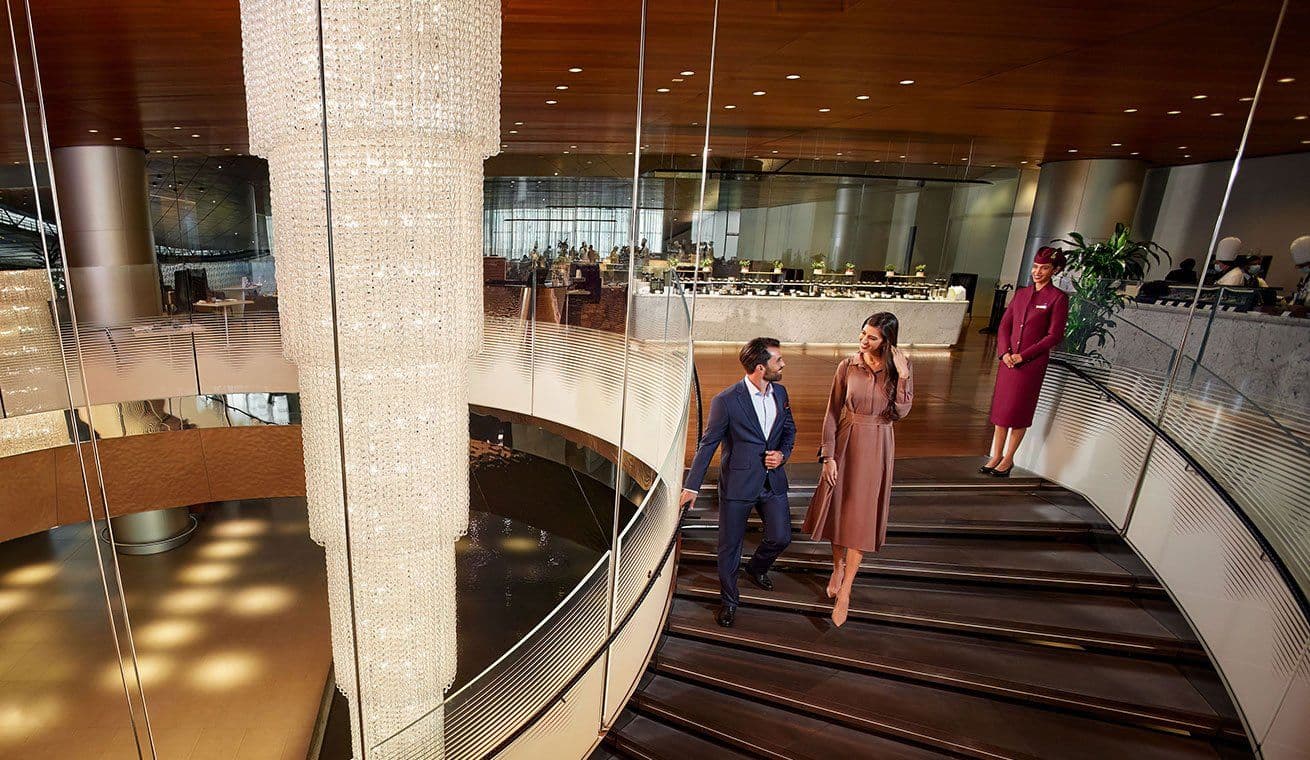
brand | almourjan-business-lounge | couple-crew[/caption] https://www.instagram.com/p/DEAo_GMp5V1/?img_index=1 And if you need a quick rest, GoSleep pods or Sleepbox AI cabins provide private, soundproofed cocoons—equipped with circadian lighting and app-controlled sleep environments.
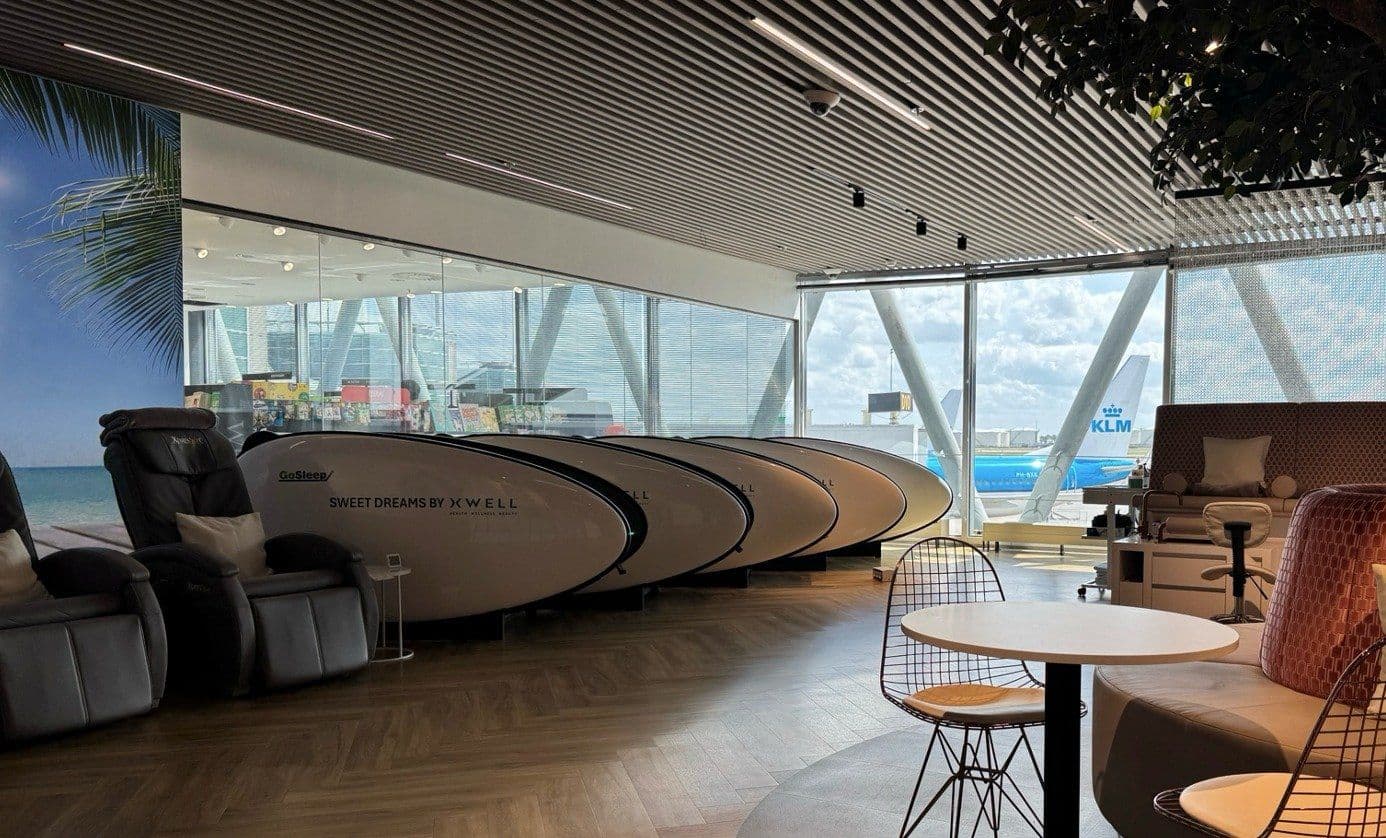
GoSleep Pod: https://www.instagram.com/p/DKd8SjBxxkI/ Wearable Wellness: Your Health Passport on the Move Wearable health tech has evolved far beyond step counters. For frequent travelers, these devices act as personal wellness dashboards, constantly syncing with your body’s rhythms—even when you’re in the air.
- The Oura Ring Gen 3 quietly tracks your heart rate variability, body temperature, and sleep efficiency—alerting you when travel fatigue starts to affect your recovery.
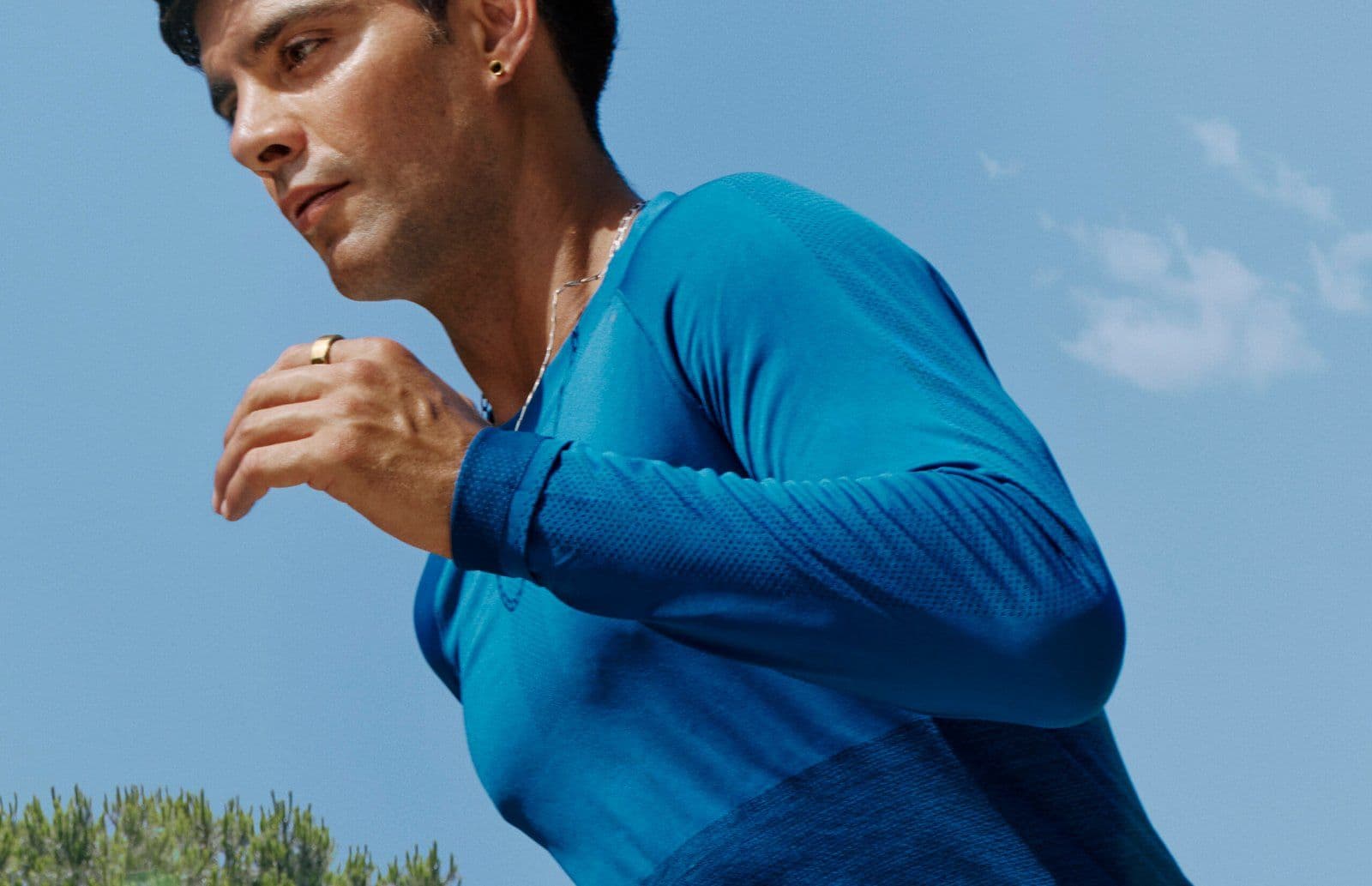
- Apple Watch Ultra and Garmin Venu 3 offer in-depth sleep analysis, blood oxygen tracking, and jet lag tools that personalize your schedule to the new time zone.
- Meanwhile, tools like Upright GO 2 help correct posture during long-haul flights, reminding you to straighten up before your neck starts to ache.

UprightGo 2: https://www.instagram.com/p/CUIT7suN9Ut/ For those who walk a lot between meetings, gates, and city streets, Zikto Walk uses AI to analyze gait and prevent repetitive strain—yes, even your stride can be smarter. In-Flight Health Tech Is Quietly Leveling Up The in-flight wellness experience is undergoing a quiet revolution. Newer aircraft like the Boeing Dreamliner 787 and Airbus’s Airspace cabins now feature better humidity control and oxygenation, dramatically reducing fatigue and dehydration. Some airlines have gone further: Singapore Airlines now offers guided meditations and in-seat stretching videos, while Emirates includes breathing exercises and meal timing tips to align with your body clock. Add to that smart noise-canceling earbuds like Sony LinkBuds and high-tech sleep masks that emit blue light therapy—and even your tray table nap can feel like recovery time. Health on the Go: Portable Tech with Big Impact Of course, wellness doesn’t stop at boarding. On the ground, savvy travelers are packing smarter:
- The Theragun Mini 2.0 and Hyperice Venom Go help reduce tension in-flight or in your hotel room.
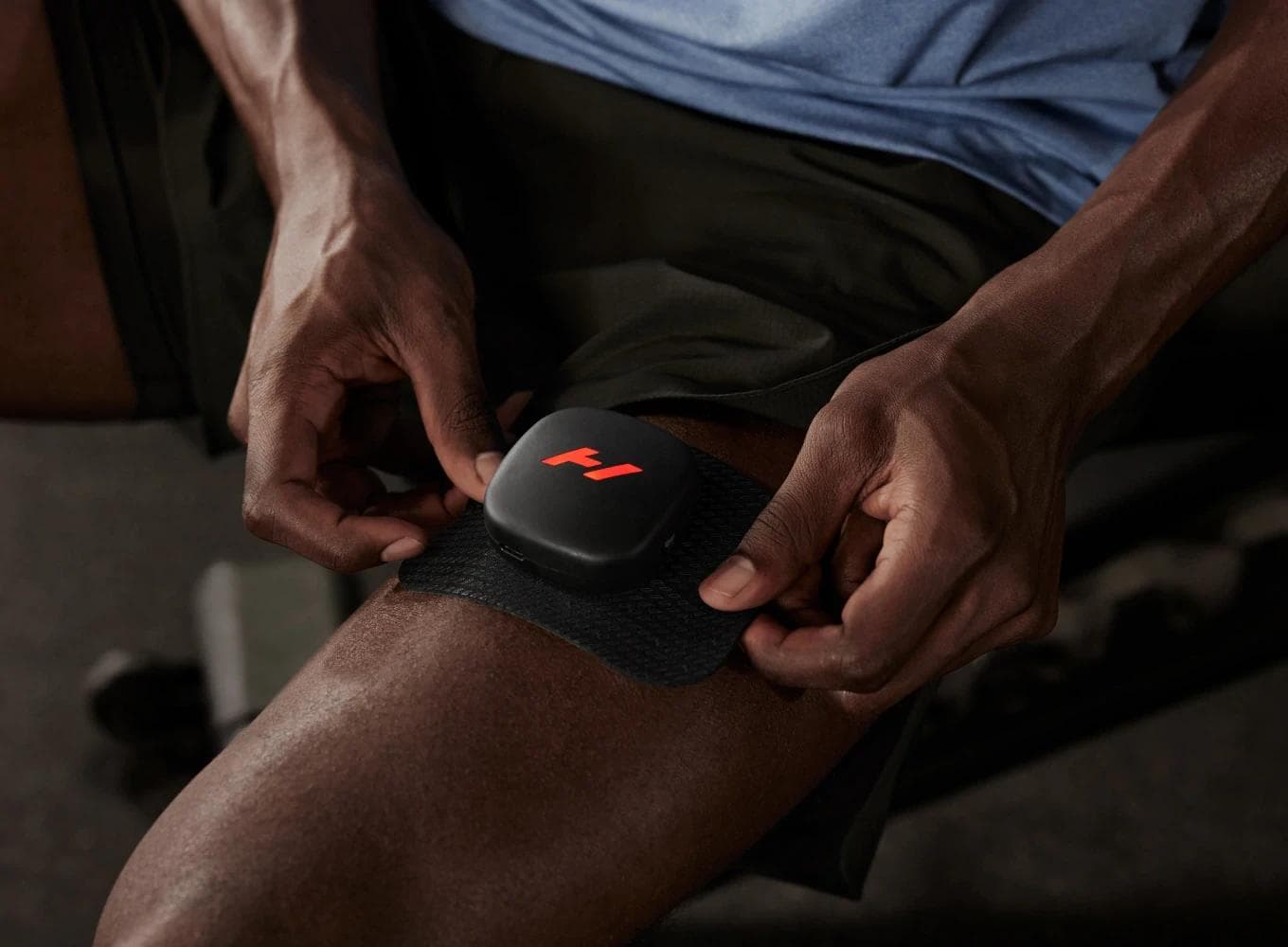
- Lumen, a handheld device that analyzes your metabolism via breath, can guide your food choices depending on your energy needs.
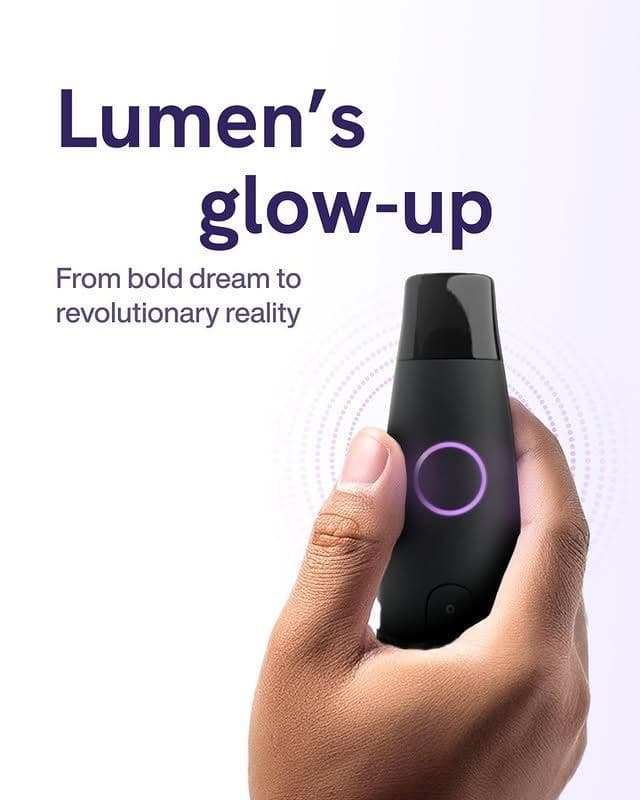
Lumen: https://www.instagram.com/p/DEAo_GMp5V1/?img_index=1
- And for immune support, AG1 travel packs and Care/of sachets offer personalized vitamins designed for energy and gut health.

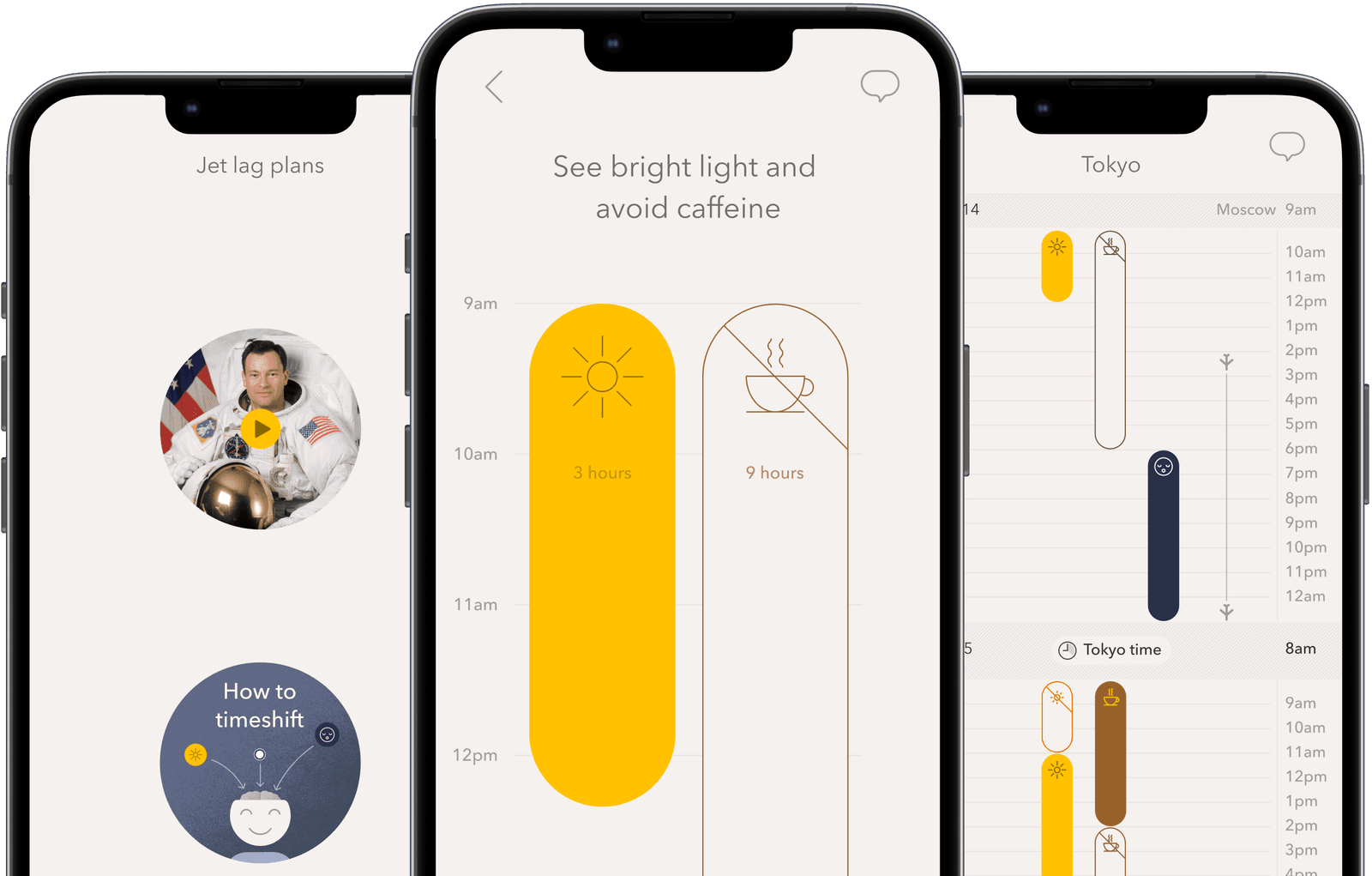
Even hydration has gone high-tech. The HydraPak Flux bottle syncs with hydration apps to track your intake on long-haul days. Smarter Travel Is Healthier Travel Apps like Timeshifter, used by astronauts and Fortune 500 execs, help recalibrate your sleep and light exposure for each flight—minimizing jet lag before you even take off. And with platforms like Calm Business now integrated into corporate travel packages, wellness is being woven into the travel experience from booking to boarding.
Final Boarding Call: Your Health Comes With You Travel doesn’t have to mean sacrificing your wellbeing. Thanks to advances in wearable tech, smarter lounges, and in-flight tools, wellness and mobility no longer exist in conflict. So next time you pack your bags, think beyond noise-canceling headphones and passport holders. From your ring to your recovery device, your most powerful travel companions might be the ones that help you feel—and perform—your best, wherever the journey takes you.


