Slow Living on the Douro: The Rebello on Community, Calm and Conscious Hospitality
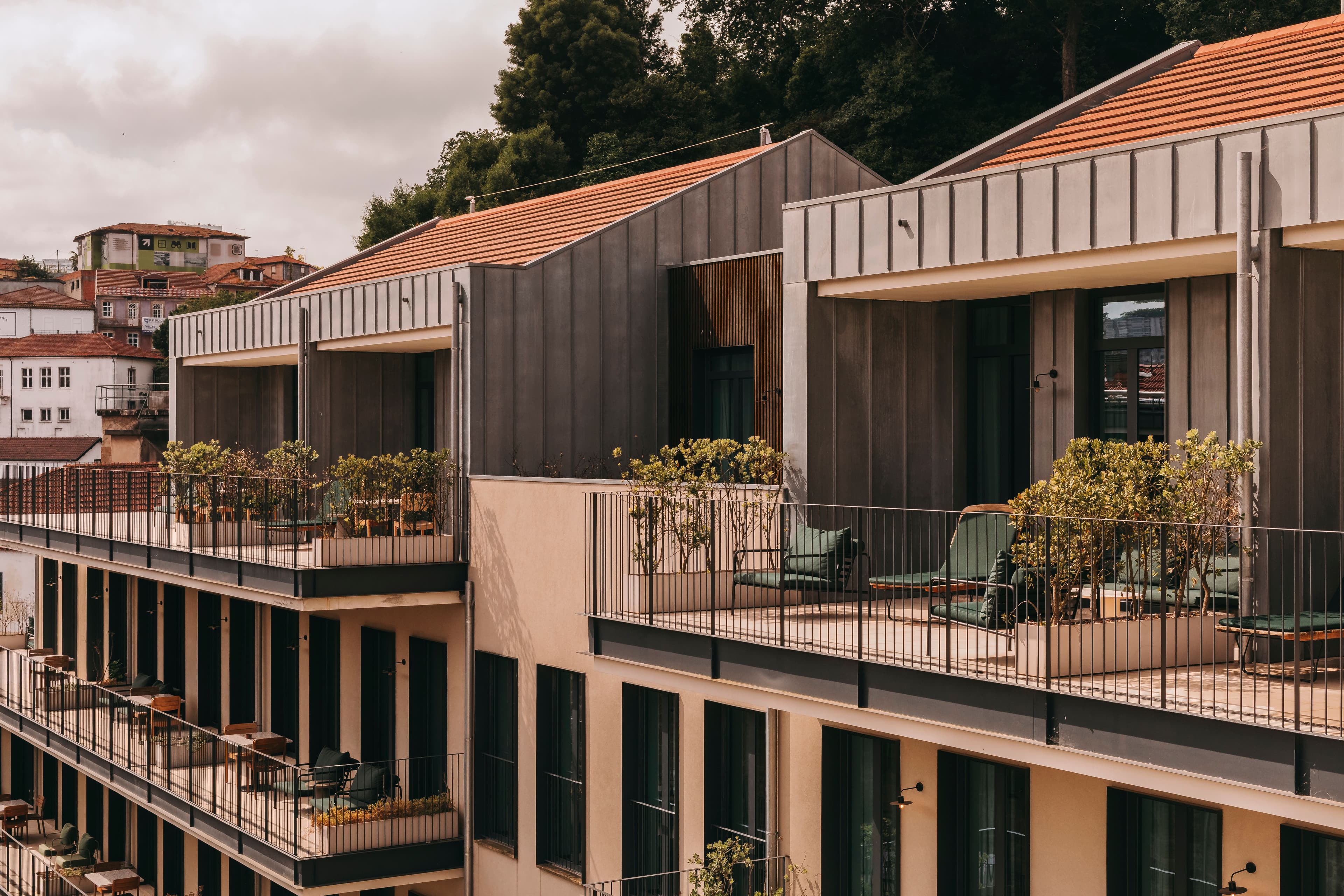
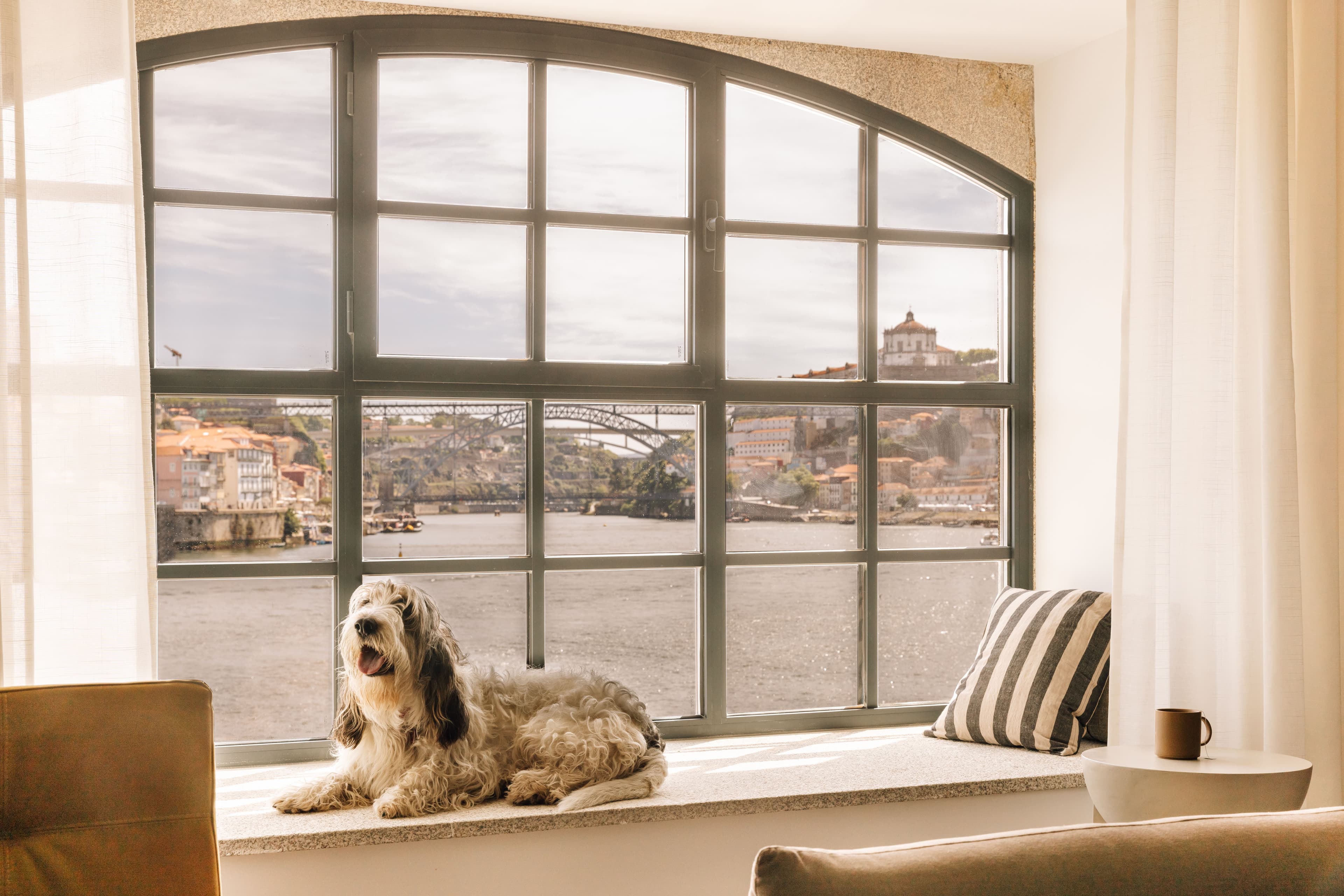
We checked into The Rebello in Porto, and it's not your typical riverside luxury stay. Set in Vila Nova de Gaia on the banks of the Douro, the building began life as a warehouse storing port wine barrels before becoming a kitchen utensils factory. That heritage lives in every wall and beam, woven into a space designed around creativity, sustainability and slow living.
This is a hotel made for long stays. Guests come for a week, a month, sometimes longer, to detox from the pace of big city life and settle into Porto rather than just pass through it. With apartment-style suites, a Roman-inspired retreat spa and a lively rooftop, it feels more like a small village than a hotel. Guests can explore Porto by bike or hop into one of the hotel's mini Moke cars to discover the city at their own rhythm, and the art throughout, handpicked from European furniture markets and local artists, feels authentic rather than staged for a photo.
We sat down with general manager Nicolas Roucos, who brings 20 years of hospitality experience to the Bomporto Hotels group, to talk about what it takes to give a hotel a soul. From "white-glove service without the white gloves" to spa treatments designed for modern burnout, this conversation explores wellness rooted in atmosphere, intention and genuine connection. If you're looking for a place to slow down, live locally and truly feel Porto, this is it.

1. The Rebello features 103 artfully decorated suites with fully-fitted kitchens and generous living areas. For the long-stay traveller, how do you balance the 'home-autonomy' of a private apartment with the refined, 5-star service expected of a high-end hotel?
It really comes down to creating a soul for the hotel. Many luxury properties, whether in the Middle East or elsewhere, sometimes lack that sense of soul. Here, we’ve focused on building that through design, culture, and, most importantly, atmosphere.
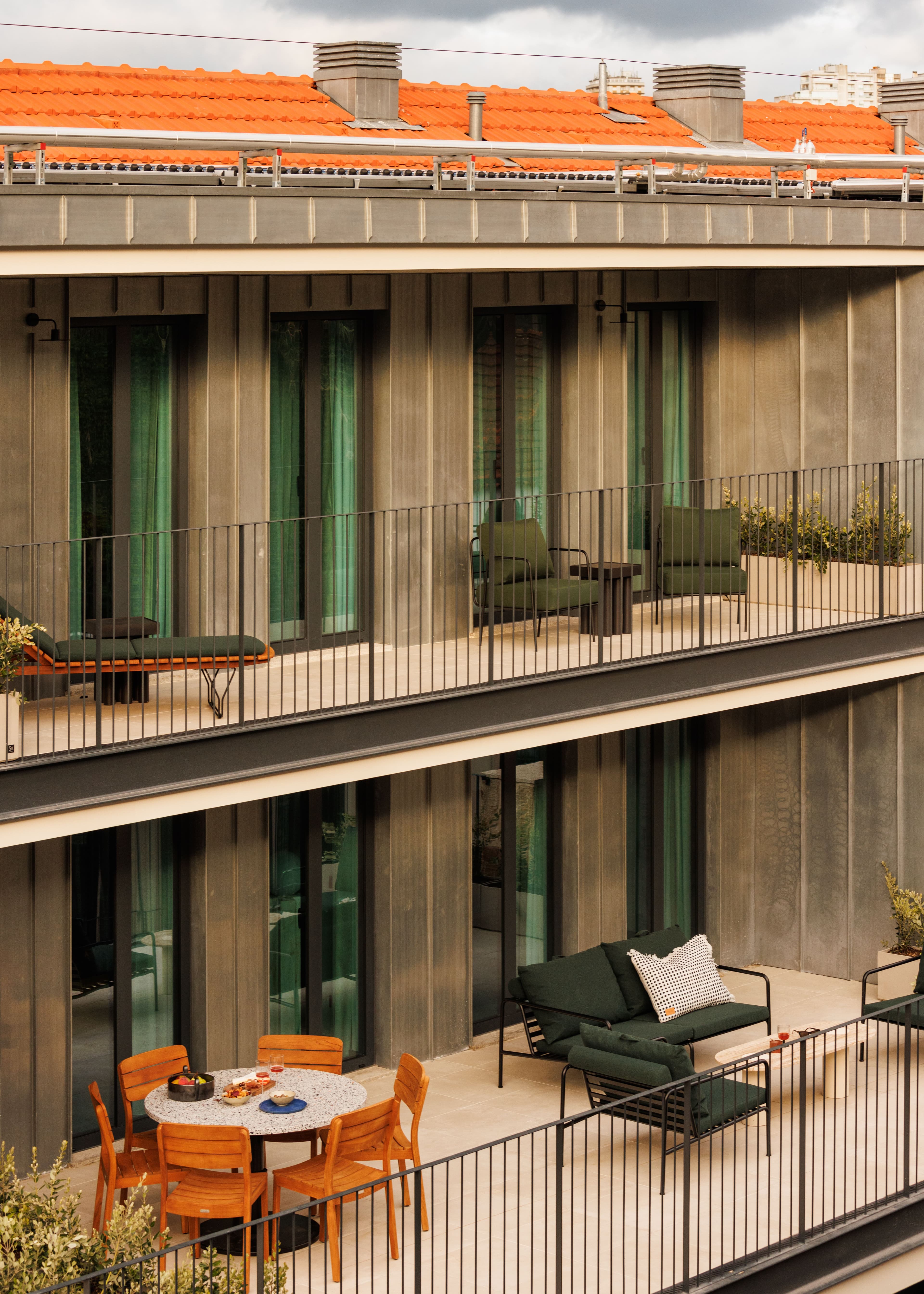
On a practical level, we offer everything needed for longer stays: spacious rooms, multiple minibars, apartment-style layouts with lots of natural light. Our accommodations range from 50 to 200 square metres, so they feel more like homes than hotel rooms.
Beyond that, we have shared spaces, such as the rooftop, spa and outdoor gardens, so the overall experience feels residential. You don’t feel like you’re in a traditional hotel.It almost feels like a community and that’s exactly what we’re trying to create.
For example, last night we hosted an art exhibition to bring the local creative scene into the hotel. We also organise summer brunches, wine evenings, events that bring together both guests and locals.
2. Burnout for our generation is a major issue, especially for digital nomads who are constantly travelling, but also working. You’re trying to feel at home, but you’re never fully switched off. Given that you have a beautiful spa and a tranquillity lounge, how do you help guests manage or minimise burnout during their stay?
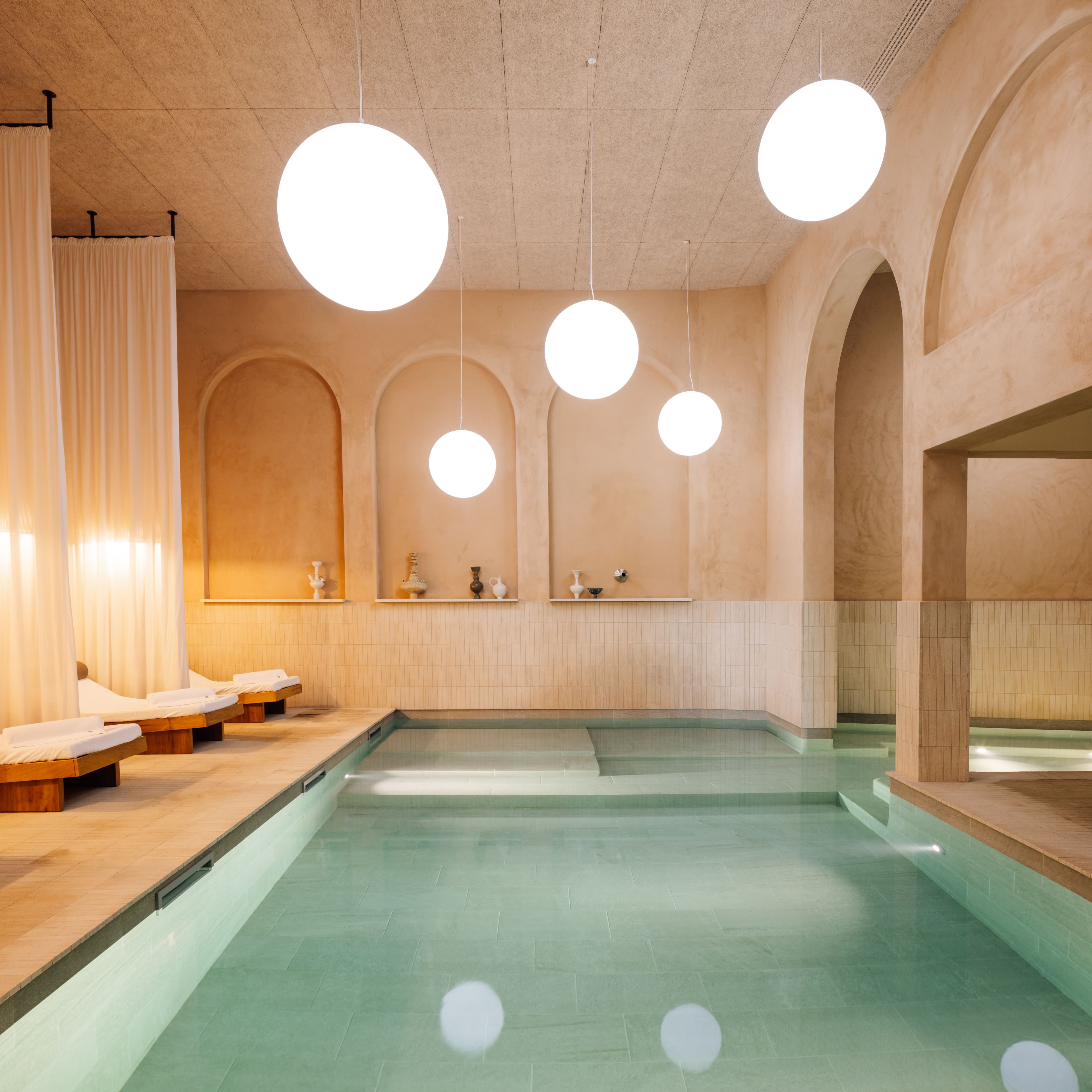
It’s really a combination of elements. The architecture of the spa plays a big role, it’s inspired by Roman design, which naturally conveys a sense of serenity. Even though we’re in the city, the spa feels completely removed from it. It’s more like a retreat than a city spa, you could be anywhere in Portugal, not necessarily Porto.
The experience is holistic. From the tranquillity water lounge to the service, the lighting, the linens, even the music, we’ve curated everything. We even have a dedicated music curator.
Then, of course, the treatments themselves are designed around modern needs, addressing physical and mental fatigue, stress and overwork. It’s not just about relaxation, but about intentional recovery.
3. I’d love to go deeper into the idea of a “retreat spa.” For us, it’s important to highlight that a spa experience shouldn’t just be a quick in-and-out treatment, but something immersive that you truly take time to enjoy.
Exactly and you’ve described it perfectly. That’s the whole idea. We see guests returning for multiple treatments, or exploring different ones over time. Interestingly, the spa has become much more than just an add-on, it’s now one of the main highlights of the hotel.
Its popularity has actually required us to carefully manage bookings, to avoid overcrowding and preserve that sense of calm and space, so it’s almost like it has its own identity. Honestly, we didn’t anticipate just how successful it would become, both from an operational and financial perspective, but we’ve learned how to maintain its essence despite that success.
The challenges were there, but we’ve overcome them and created a space here that feels truly timeless, to the point where we often have to carefully balance external bookings with internal ones. Of course, we try to prioritise our guests and residents, while also not forgetting the city we live in and the people who contribute to our success.
It's actually quite challenging to manage, because you have the residents you want to prioritise, but also the wider community, who will always be there.That’s why we have a spa manager who deals with all of this.
4. I wanted to talk about the identity of the hotel. You have 20 years of experience in the industry, so I imagine you’ve managed many projects. From my perspective, there’s a philosophy here that makes the hotel feel very personal. It’s not overly fussy or excessively luxurious, but still very real and deeply connected. I’d love to understand, from your personal perspective, how have you shaped the identity of the hotel?
From my previous experience, I would say that every hotel concept is different. It depends entirely on what you’re trying to create. I’ve worked in city-centre hotels, suburban properties, and resorts, and each concept requires a different approach. You always have to adapt to your target market.
Here, within this hotel and the wider group (we also have two other hotels in Lisbon), the overarching concept is quite consistent. It starts with what you mentioned, but I would take it a step further. We call it “unpretentious luxury.” It’s essentially white-glove service, without the white gloves, more like transparent gloves.
Our team wears cool, modern uniforms, and they are encouraged to be themselves-genuine, natural, yet professional. Often, when you walk into a five-star property, people can feel intimidated. We try to avoid that entirely. This works really well both ways, for the guests and the team.
We aim to create an atmosphere where both guests and staff feel comfortable. That also comes down to how we treat our team. Without going too deeply into it, we treat our colleagues the same way we expect them to treat our guests. In a way, they are our guests too.
This isn’t just a cliché, we genuinely invest in our people. If you look at our LinkedIn, you’ll see how much we value our team. Ultimately, they are our greatest asset, more than the building or the concept itself.
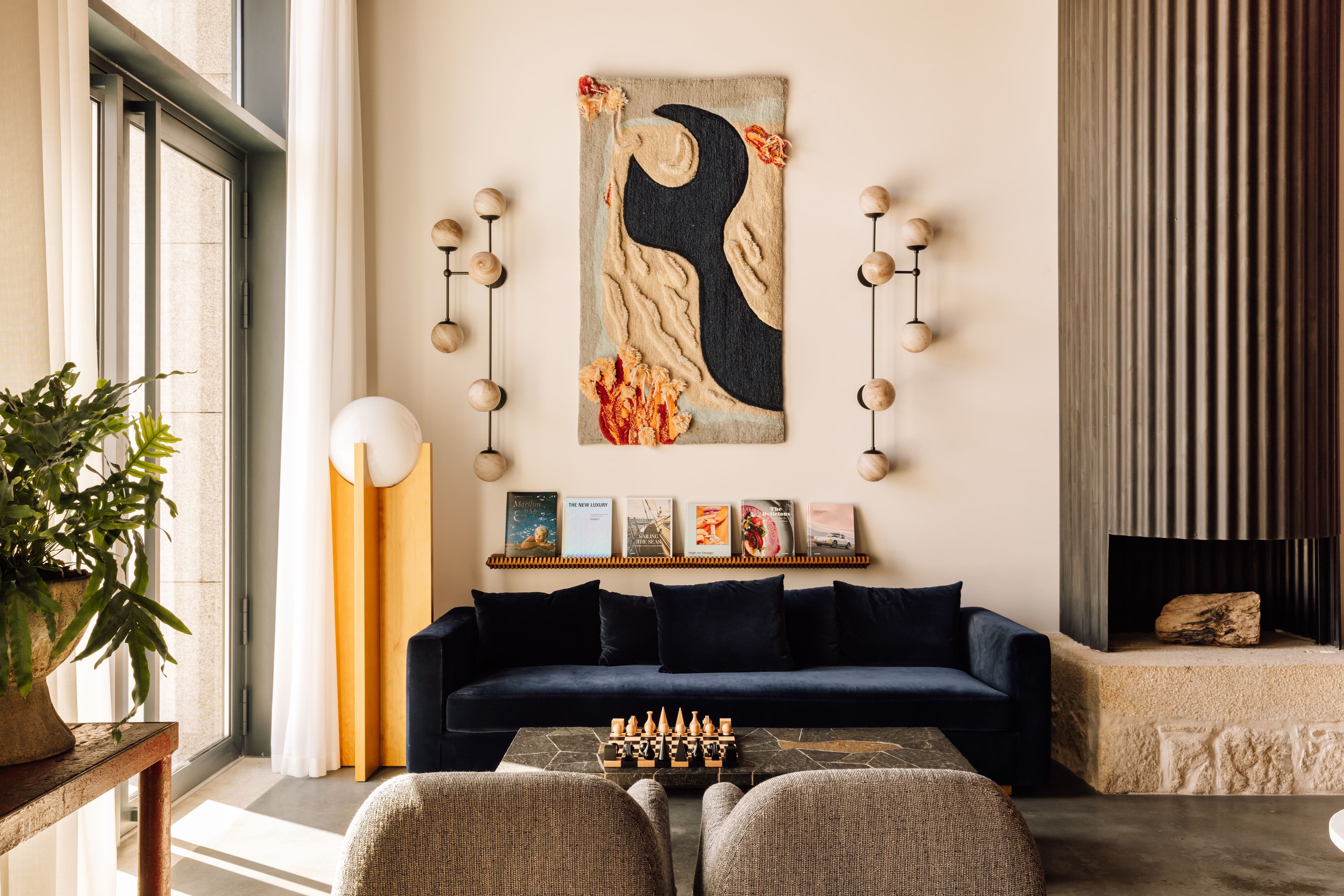
5. Within the Bomporto Hotels portfolio, you have The Vintage and The Lumiares. I also learned that this property used to be a utensil factory, which I found fascinating. It actually made me want to speak with you, as it feels like such a unique space. Each of your hotels has its own identity, how did this specific location influence the concept?
It’s quite different from our other properties. While the overall philosophy remains consistent, each hotel has a completely distinct design identity. In Lisbon, for example, The Lumiares is modern, with a contemporary Portuguese art deco feel. The Vintage is mid-century inspired. Here, we have an industrial-chic concept.
“Industrial” is key, because this building wasn’t just a factory, it was also a wine warehouse. Boats used to come right up to the building, there wasn’t even a street here at the time. The river reached this point, and wine would be transported directly from here to the Douro region, so this space has a deep, layered history.
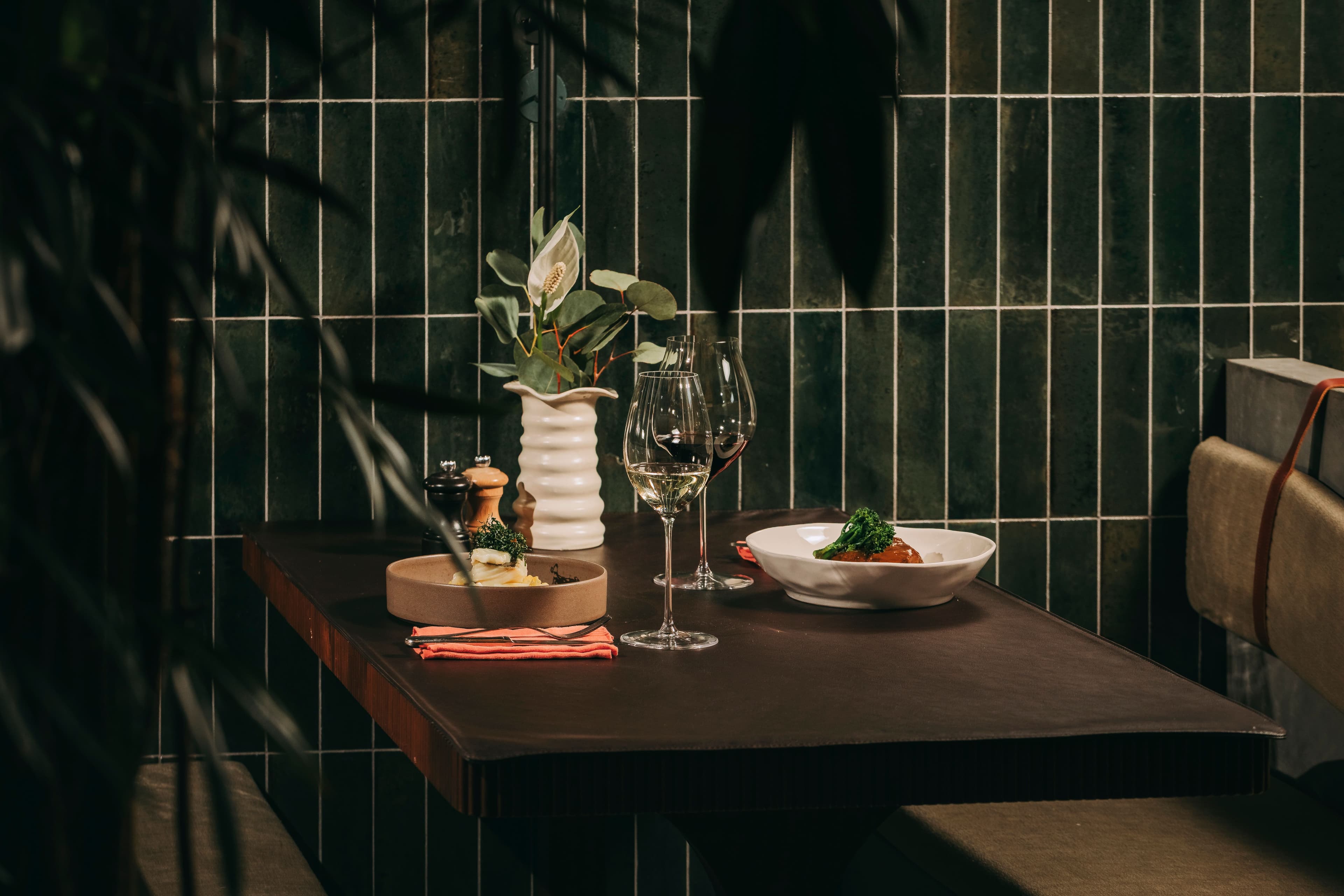
Later, it became a pot and pan factory, which inspired the name of our restaurant, Pot & Pan, as a tribute to that heritage. Here, more than in our other properties, we really leaned into the building’s story and history when shaping the concept.
6. On a more personal note, I come from countryside, where the idea of community is very different from what you experience in a city. I’m very interested in this idea of creating a “vertical village,” where people connect in different ways. You mentioned that the hotel welcomes both digital nomads and local residents. What do you think creates that sense of community here?
It all comes back to creating a true sense of soul within the space. Once that atmosphere exists, it naturally attracts people, both from within and outside the community. Then, the design of the space and the overall environment make it easier for these groups to connect and coexist. The way the spaces are laid out, and the energy they create, encourages interaction and a shared sense of belonging.
The vibe is creative, which is something I’d really highlight. We’ve become an important destination, not only for attracting international visitors but also for local travellers. Around 20%, even closer to 22–23%, of our guests are Portuguese. There’s a growing curiosity among locals to rediscover Porto and everything it offers.
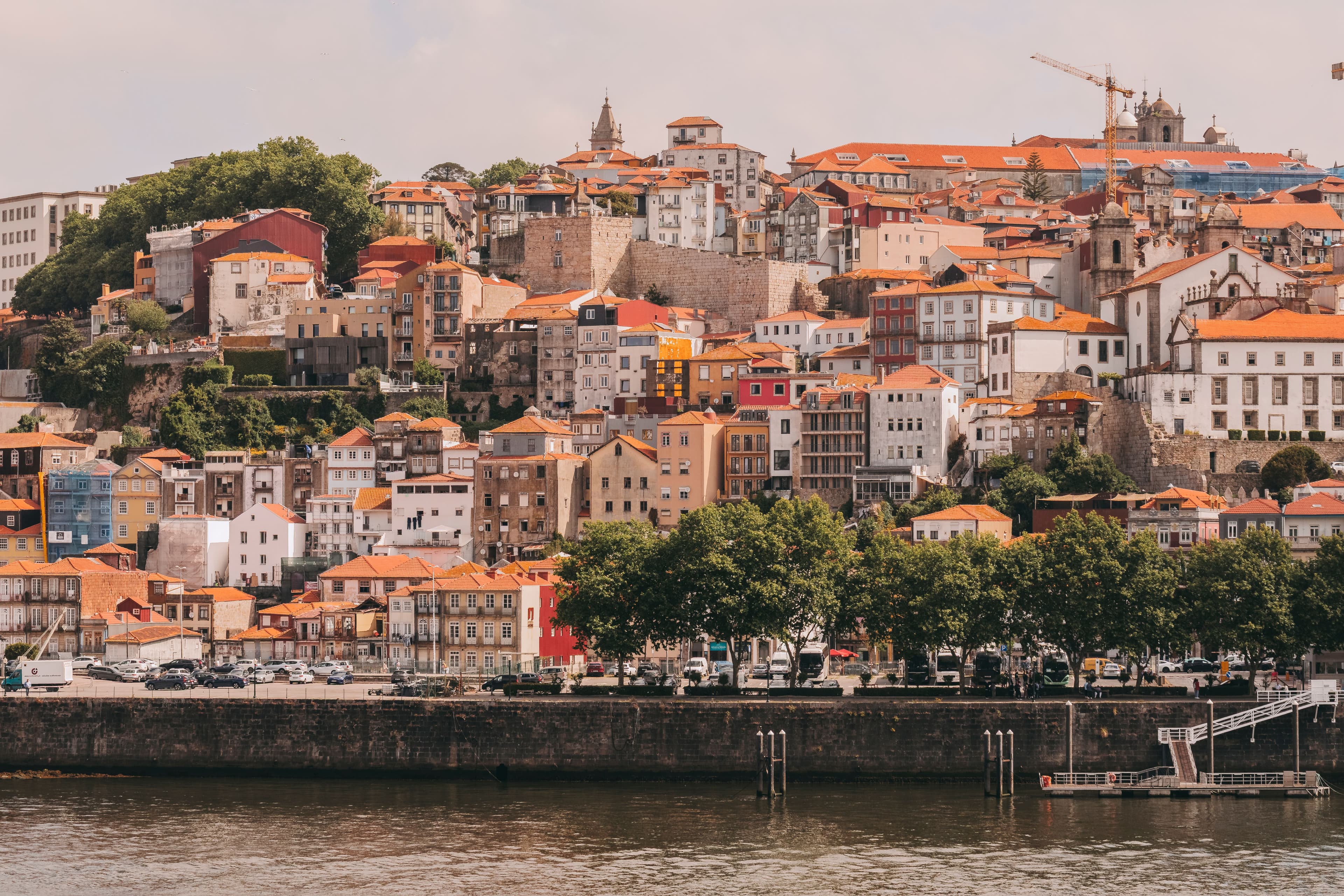
There’s also something else happening here: gentrification. It’s part of the city’s evolution, and people, both Portuguese and international, are drawn to that sense of discovery. In this small neighbourhood called Gaia you’ll find a growing number of artisan shops, emerging artists, and creative spaces.
Small boutique and design hotels are also appearing, alongside specialty restaurants. Gaia is becoming something of an independent little town, and this transformation is very visible. If you walk around, you’ll feel how different the atmosphere is compared to the other side of the river.
We are contributing to that identity through the way we position ourselves and how we bring different communities together. Many hotels have different priorities, but ours is very much about integration.
We actively engage with the local community through events and open invitations. For example, this is one of the best places to experience São João, a festival happening on the 23rd of June. There’s really no better setting than our rooftop. People come here, whether they’re visitors or locals, to celebrate this deeply traditional and folkloric event. It’s such an important day and arguably even more significant than a national holiday in Porto.
7. You clearly focus on making people feel at home, and I noticed you include a lot of thoughtful extras. Do you offer any special conditions for mid- to long-term stays? Or perhaps hybrid options for guests who want to combine living and working here?
We include a lot in the experience. It’s not only about discounts, although we do offer special rates for longer stays, depending on the duration. We’ve had guests stay for three months, even six months.
They often start with a shorter stay and extend, or they choose to use the space as a base, almost like an office, while travelling intermittently.
This trend really began during the pandemic, when many people came to Porto because restrictions were less strict compared to elsewhere. Our apartment-style suites made it easy for them to work comfortably from here.
In terms of the experience, we offer much more than just basics like coffee and water. We include our own Rebello wine, as well as other drinks like craft beers in the minibar. The idea is to make guests feel like this is their home. We also offer perks like discounts on electric bike rentals, but ultimately, it’s about creating the right atmosphere and adding thoughtful touches.
8. The digital nomad visa is becoming increasingly popular in Portugal. Do you see this influencing your guest profile? Are more people choosing to stay longer and work remotely rather than visiting just for a few days?
We’re already seeing that trend. It’s not our main segment, but it’s definitely present. We have guests who fit the profile of digital nomads or modern travellers, blending leisure and business.
We also host many artists who come to explore the local scene, either to source or promote art. Some stay for weeks, returning regularly. Others use our property as a base for several months and we currently have apartments rented for three-month periods.
These guests often split their time between locations throughout the year, coming here for work, relaxation, or both. Many are seeking to escape the fast-paced culture that leads to burnout. They’re looking for a sanctuary.
9. My last question is about sustainability. It’s been a key topic for a while, but it now feels like businesses are approaching it in a more concrete, meaningful way beyond messaging. I noticed your in-room magazine dedicates two pages to sustainability, which I really enjoyed, along with your thoughtful, curated approach to art from different markets. Could you walk us through some of your key sustainability initiatives?
One of our biggest challenges today is contributing to the city’s efforts to become more sustainable. Mobility is a major issue, so we encourage our guests to use public transport, and we offer electric bikes. We’re also investing in electric vehicles - small ones, similar to the “Moke” cars you might have seen in beach destinations like Dubai. They are almost open, without doors, quite fun and fully electric. Mobility is one of the biggest areas where we can make an impact.
Some people ask about flights and carbon emissions, and while that’s valid, it’s not something we can directly control. Many guests choose to offset their emissions, but that’s a personal decision. What we can do is support more sustainable mobility locally.
Internally, our team works hard to minimise waste. We’re also Biosphere certified, which means we follow around 375 sustainability criteria, verified by a third party. We’re very aware of what we need to achieve, even if we haven’t reached every goal yet.
For example, being in a city means we can’t compost due to space limitations, but we focus on everything else, recycling properly, reusing materials where possible. A simple example is water: we bottle it on-site and reuse the same glass bottles. Small actions, but they add up.
Beyond environmental efforts, the social aspect is equally important. We maintain a local beach in Afurada-once a year, before the high season, the entire team goes to clean it. We also support community initiatives, like helping in elderly care homes-painting, maintaining spaces, and spending time there. These are initiatives our team genuinely believes in. Many of them are personally committed to these values, beyond just being part of their job.
For more info Visit: https://www.therebello.com/
Image Credits: Lydia Harper