Return to What Matters: Inside Eha, Estonia's Most Quietly Radical Retreat
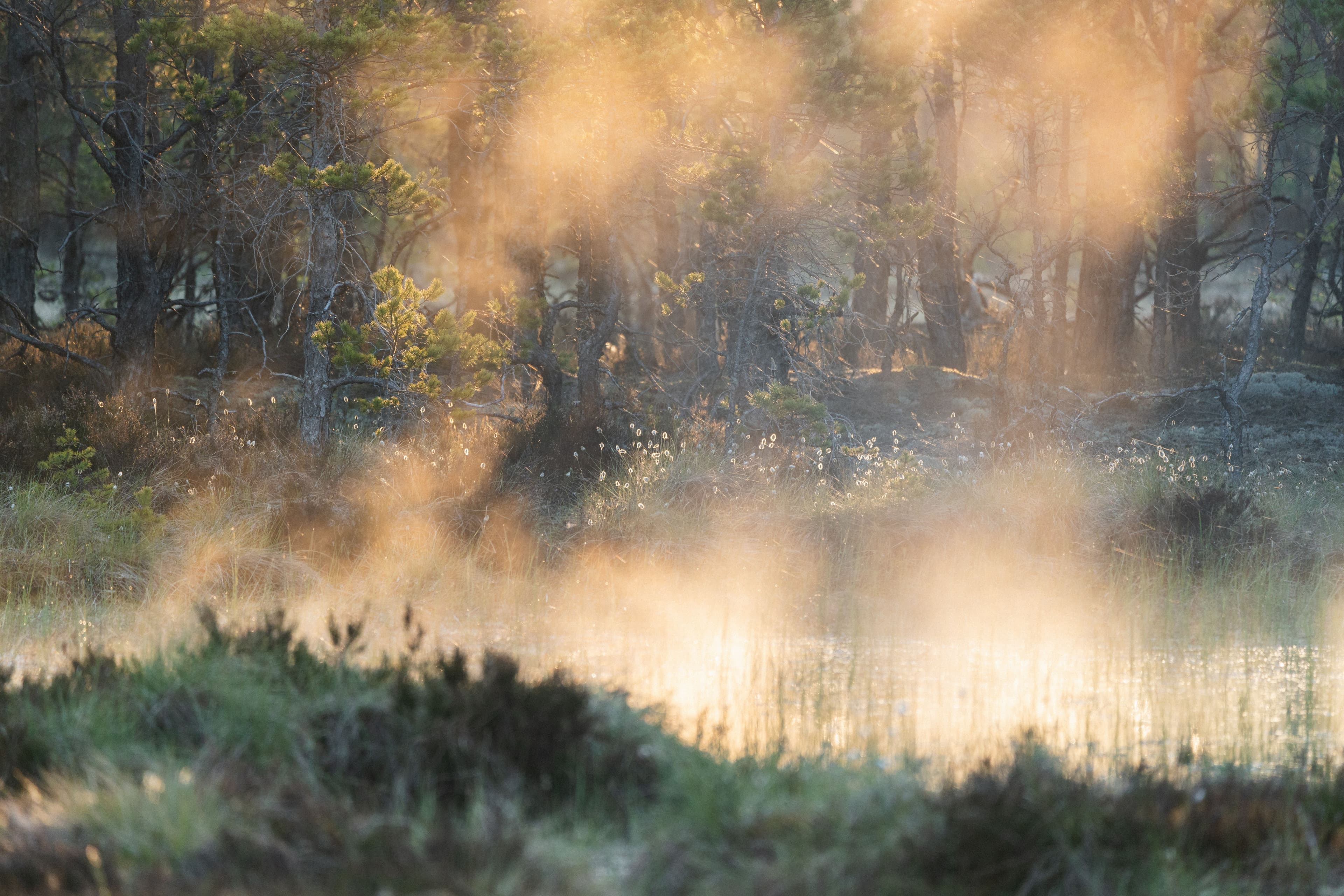
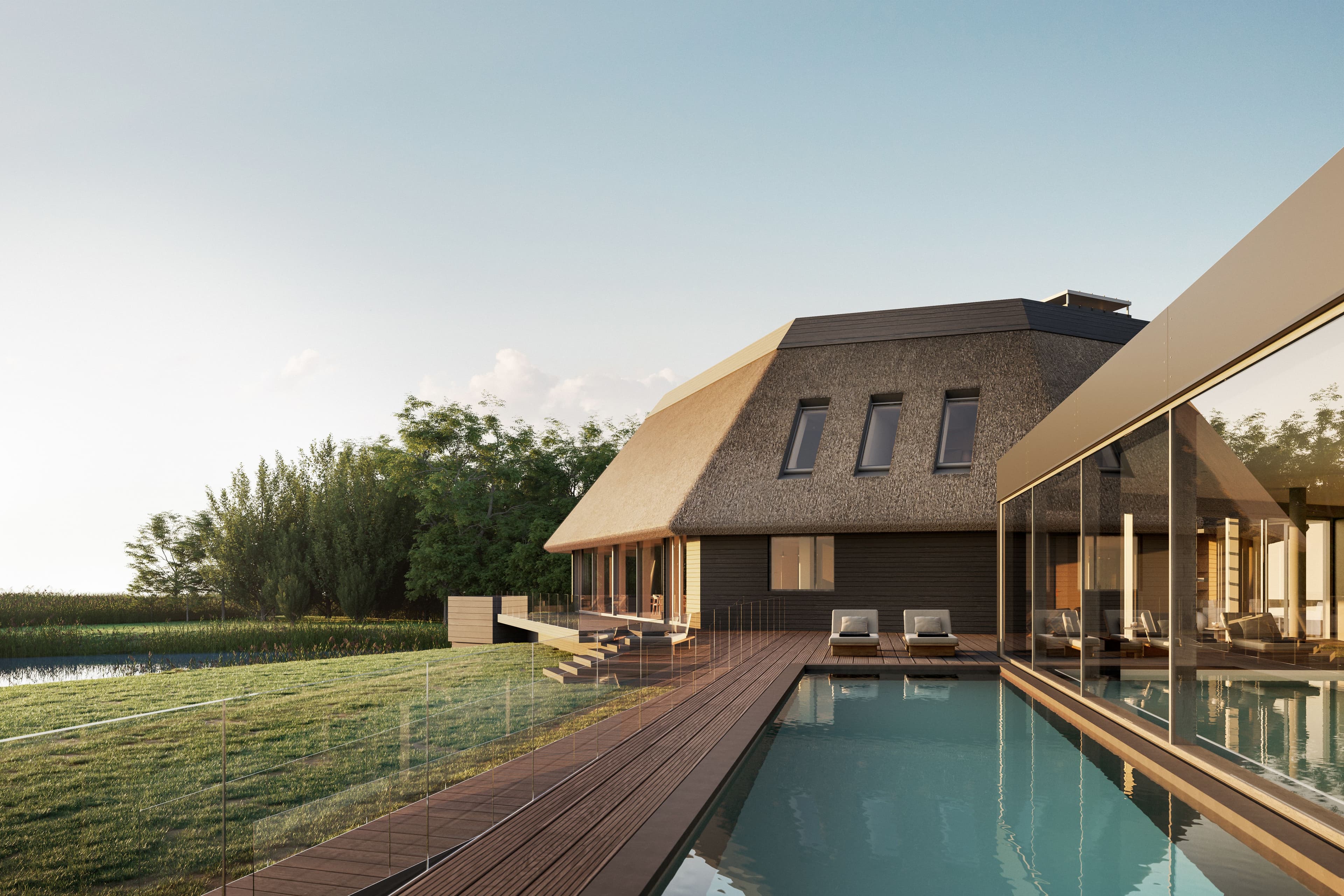
There's a word in Estonian "eha" that means the glow of dusk, that unhurried moment when daylight softens into something more reflective. It's an apt name for a retreat that has no interest in spectacle. Tucked into the remote forests and coastline of Hiiumaa, Estonia's second-largest island and a UNESCO Biosphere Reserve, Eha is built on a deceptively simple premise: that true restoration doesn't come from adding more, but from stripping things back to what's essential. We sat down with Eva Maran, Co-Founder of Eha, to hear the story behind it. It's one shaped by deeply personal root: her grandfather was born on Hiiumaa's shores and a shared vision with her co-founder, whose family lineage of traditional healing stretches back generations. Together, they've built something that draws on ancient Estonian land traditions, the rhythms of the island's five distinct seasons, and a wellness practice developed by Estonian-born consultant Kai Laus that is wholly unlike anything else in Europe right now. Eva talks to us about what it means to create something that feels grown, not built and why, in a world addicted to more, the most radical thing you can offer someone might just be silence, stillness, and the smell of a wood-burning sauna.

1. Eha began, as your story says, with a question: "How do we return to what matters?" Can you take us back to the very beginning. What was the moment or experience that sparked the idea for Eha, and how did that initial vision evolve into what it is today?
Eha started with a simple question that stayed with us over time: how do we return to what actually matters? There wasn’t a single defining moment, more a gradual shift in perspective spurred on by how far everyday life had drifted from what feels natural. We felt a need to create a place where people could step away from noise and reconnect with something more essential. The idea has stayed consistent - strip things back, focus on what’s real, and build from there.
2. Hiiumaa is deeply personal for you: your grandfather was born on this island, and for Sonny, there's a family lineage of healing that goes back generations. How did those two very different but deeply rooted personal histories converge into a shared vision? And how do guests feel that connection when they arrive?
Our backgrounds are different, but they align in how we relate to land, family, and healing. For me, Hiiumaa has always been personally meaningful as my grandfather was born on the island, and for Sonny, healing traditions were part of his upbringing, his great-grandfather was a traditional healer. That shared respect shaped the foundation of Eha. When guests arrive, we hope they will notice a certain calm and authenticity, something that feels dedicated to its environment and shaped by local traditions.
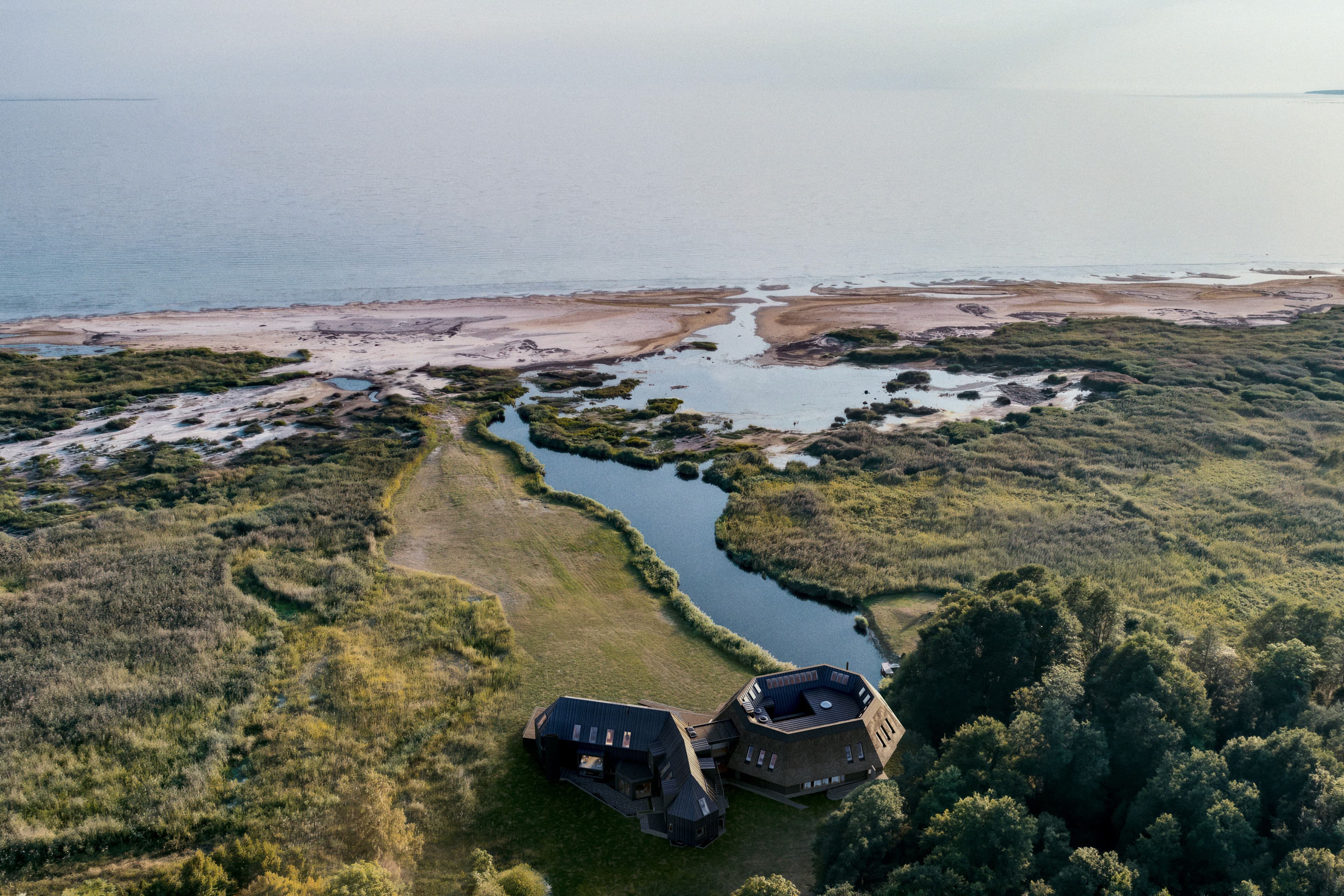
3. Hiiumaa is Estonia's second-largest island, a UNESCO Biosphere Reserve, with just nine people per square kilometre. It's not an obvious choice for a luxury retreat. What made this island not just a backdrop, but the very foundation of everything Eha is?
Hiiumaa shaped the project from the beginning. Its slow pace and isolation set clear boundaries and give a strong sense of direction; there’s simply no room here for anything unnecessary or overstated. The island naturally encourages a quiet, more observant rhythm that is very much in tune with its surroundings.
It offers space, stillness, and a direct connection to nature that’s increasingly difficult to find elsewhere. Over time, we realised that these qualities didn’t need to be enhanced or interpreted — they already carry the experience. Our role has been to support what’s already here and build on that.
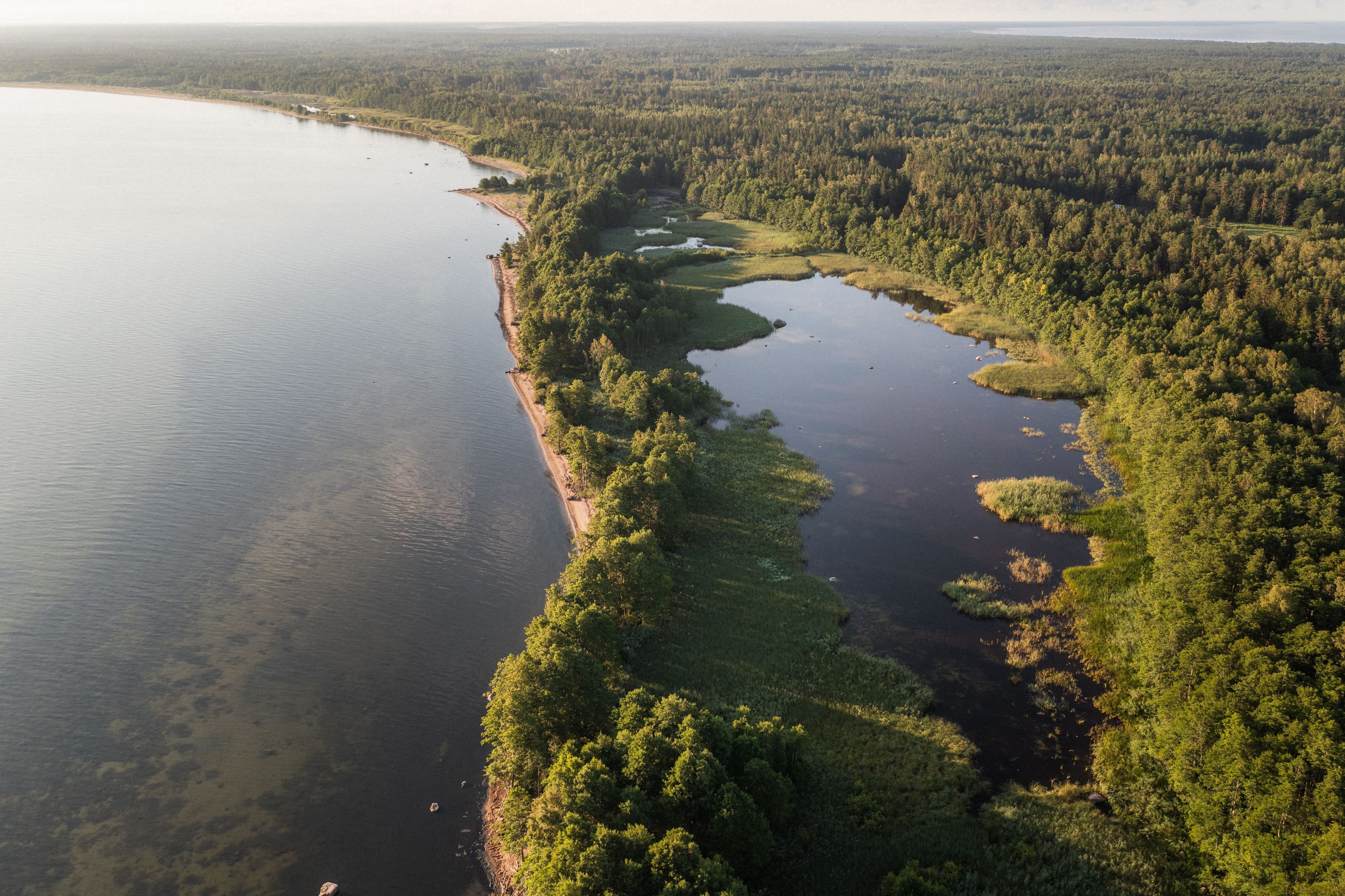
4. The retreat was developed with leading architects, ecologists, and local advisors; with the intention of creating something that feels "grown, not built." What were the guiding principles behind the design, and how did the team ensure the structures honour rather than intrude upon the island's landscape?
We approached the design with a certain element of restraint; the focus was on understanding the land and working with it. That meant collaborating closely with people who know the island well, using materials that sit naturally in the environment, and avoiding anything that felt excessive. The intention was for everything to feel settled and in place.
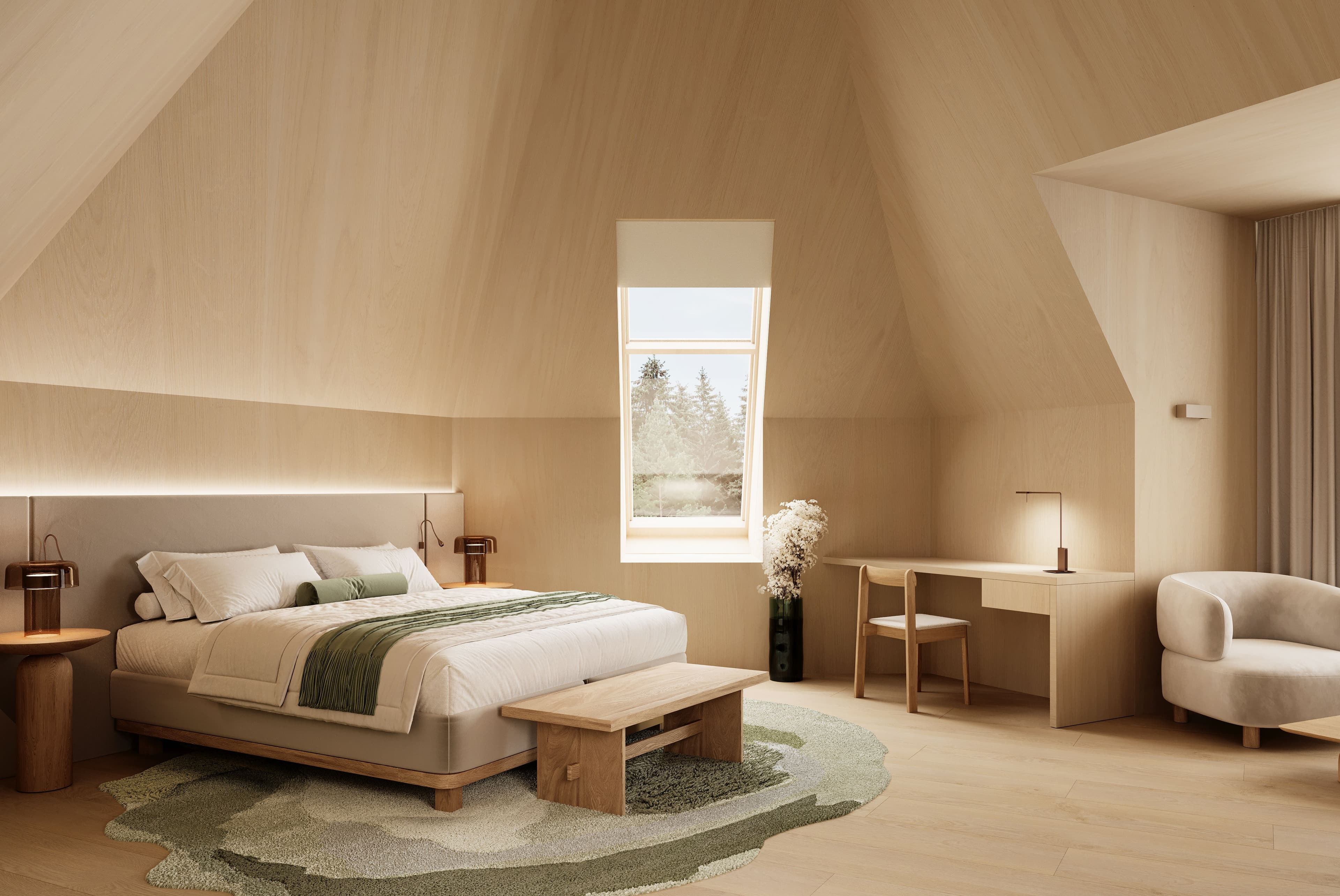
5. Estonia has a rare and beautiful relationship with nature: from the ancient land faith of maausk to its celebrated fifth season, Springrise. How does Eha translate these deeply local traditions into a hospitality experience that feels genuine rather than curated, and what can guests expect when they arrive in each season?
We keep things close to how they naturally exist here. Estonia’s connection to nature is practical and ingrained, so we follow that lead. The experience shifts with the seasons – long days in summer, stillness in winter, and clear transitions in between. Guests tend to fall into that rhythm quite easily once they’re here. Whether through food or restorative rituals, each retreat is designed to align with the body’s needs and how these interact with the seasons.
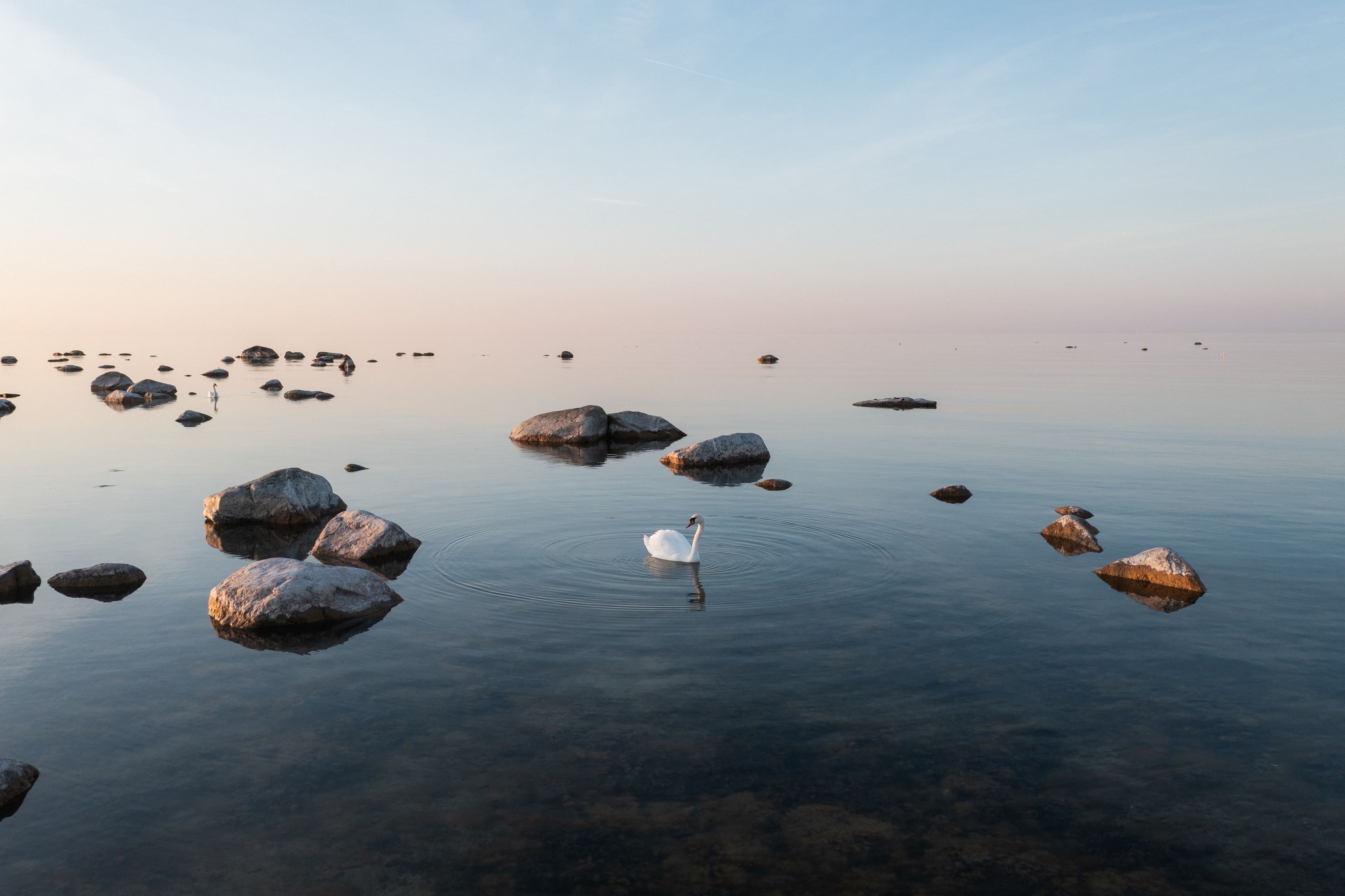
6. Eha speaks of "simplicity with intention”, the idea that true luxury lies in the essential, free from excess. In a world where luxury is often equated with abundance, how do you define what luxury means at Eha, and how does that philosophy show up in the day-to-day guest experience?
Luxury, for us, is about quality and attention rather than quantity. It’s the feeling of ease, good rest, and having what you need without distraction. We focus on details that support that – from the environment itself to how guests move through their day. Our goal is to help people see that longevity isn’t about striving for perfection, but about creating sustainable habits that support them day in and day out.
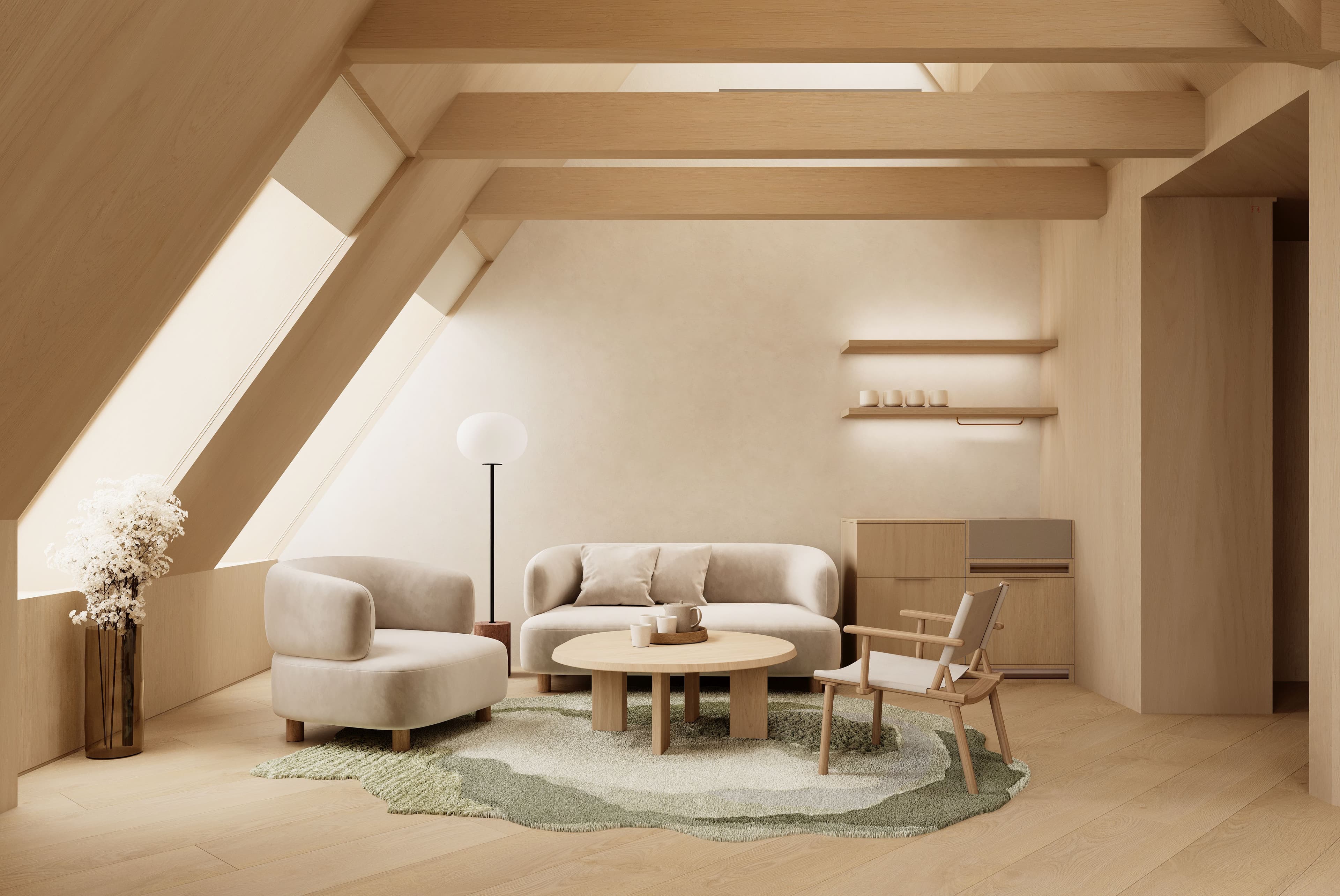
7. From the Traditional Old Estonian Massage to the Forest Energy Polish, the Circadian Rhythm Room, and thermal rituals rooted in sauna culture, Eha’s treatments feel unlike anything else on offer in Europe right now. Where do these treatments come from, who developed them, and how do they work together as part of a guest's transformation journey?
The treatments draw from local traditions and have been developed by Estonian-born Wellness Consultant Kai Laus, who understands both the history and importance of the country’s wellness rituals, and the body’s natural cycles. Sauna culture plays a central role, along with natural materials and techniques that have been used here for generations. The treatments are designed to support each other and work in tandem with other elements of the stay, helping guests slow down and reset over time.
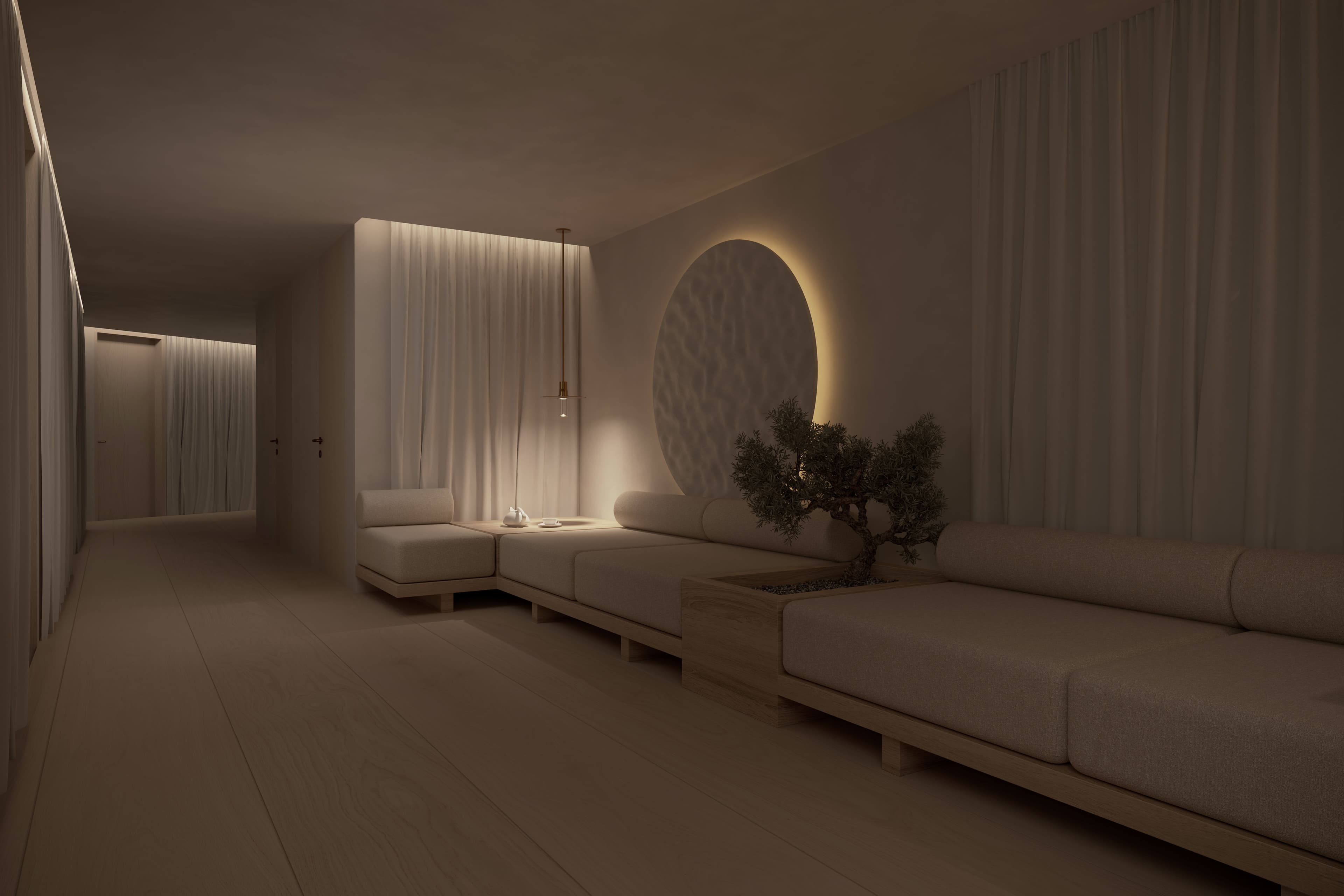
8. Your philosophy states that "nature is not a backdrop, it's a collaborator." From foraging and forest skills to paddleboarding and snowshoeing, guests are invited into a very active relationship with the island. Can you describe what it looks and feels like when a guest truly surrenders to that relationship and what tends to shift in them when they do?
When guests settle into the environment, things tend to shift on their own. There’s less urgency, more awareness of what’s around them. Activities like walking, being in the water, or spending time in silence become much more meaningful and people often leave feeling more grounded and connected to their environment. At Eha, that’s what it all about; we’re not chasing trends, we’re getting back to fundamentals: fresh air, clean water and nourishing food, minimal light pollution, and high-quality sleep.