
New ‘FemTech in Dubai’ reveals over 150 players driving city’s rise as regional innovation hub
Deep Knowledge Group (DKG) and FemTech Industry Analytics today launched FemTech in Dubai, a new industrial ecosystem platform designed to provide the most structured public-facing view to date of Dubai’s fast-evolving women’s-health innovation landscape.

The platform maps and profiles 90 companies, 20 leaders, 17 clinics, 15 investors, and 10 accelerators, driving the city’s rise as a regional innovation hub. It provides a structured view of a sector that has been gaining visibility well beyond niche health-tech circles, making Dubai’s activity in women’s health, digital health, and related life-sciences segments more visible to international stakeholders and easier to navigate for partnership, investment, and ecosystem-building purposes.
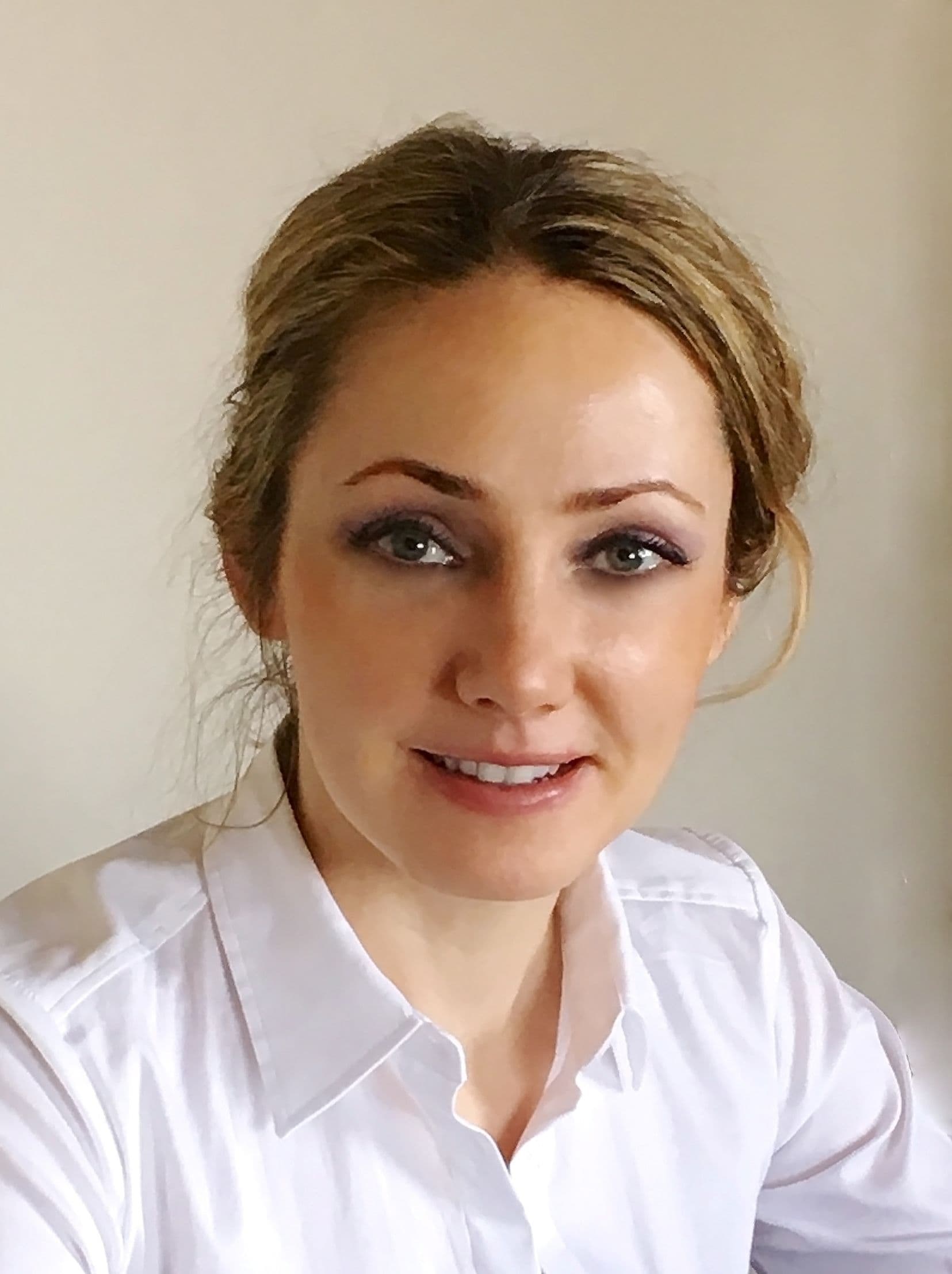
“Women’s health innovation is becoming a much more serious strategic field globally, and Dubai is beginning to assemble the ecosystem layers that can make it increasingly important in that space,” said Kate Batz, Managing Partner of Deep Knowledge Group. “The purpose of this platform is to make that activity more visible, more legible, and more connected — so that companies, clinics, investors, institutions, and international partners can see the real shape of the FemTech ecosystem emerging in Dubai.”
Key platform functions and use-cases include:
● Increasing the international visibility of Dubai’s FemTech industrial activity
● Making the ecosystem easier to understand for investors, healthcare stakeholders, policymakers, corporates, and international partners
● Connecting companies, clinics, investors, accelerators, and ecosystem leaders active in women’s-health innovation
● Providing a neutral, data-driven proof-of-ecosystem for strategic planning, investment, and partnership development
Dubai’s women’s-health innovation landscape is becoming more strategically important not only because of market growth, but because health-tech ecosystems increasingly require stronger visibility, coordination, and structured stakeholder connectivity in order to scale.
Even prior to recent developments in the Middle East, but especially in light of them, Deep Knowledge Group has held the view that decentralized knowledge networks are becoming essential for the next generation of industrial competitiveness — creating a new data layer in which healthcare systems, innovation ecosystems, institutional actors, and commercial activity can be digitally represented, analyzed, and coordinated.
In this context, FemTech in Dubai functions as an open-access structured public layer of Dubai’s women’s-health and FemTech ecosystem: increasing international visibility around the sector, helping connect companies, clinics, investors, and ecosystem leaders, and making the emirate’s women’s-health innovation landscape more legible to global stakeholders.
Dubai’s FemTech story is becoming more tangible because the wider institutional environment around women’s health innovation is becoming more active. A particularly important recent development came in February 2026, when Expo City Dubai’s Women’s Pavilion launched the regional FemTech Hub, positioning it as a first-of-its-kind platform dedicated to advancing women’s health through innovation, education, and cross-sector collaboration. According to public reporting around the launch, the Hub aims in its first year to support more than 15 startups, engage more than 1,000 women, train 100-plus clinicians, and validate real-world solutions across maternal health, fertility, menstrual health, menopause, and mental wellbeing.
That matters because it shows Dubai’s women’s-health ecosystem moving beyond isolated startups toward a more coordinated platform model. The same FemTech Hub initiative is linked to a broader pipeline of activity including the Her Health Summit, Her Health Majlis, and an Innovators Network intended to connect startups, researchers, and investors across the region. In practical terms, this means that Dubai is not only generating individual women’s-health ventures; it is starting to build the connective tissue that helps transform those ventures into a more visible and investable innovation environment.
The broader market context also supports this positioning. Regional coverage has pointed to significant growth expectations for FemTech in the UAE, including projections that the UAE FemTech market could reach $3.8 billion by 2031, while also highlighting a continuing funding gap and the need for stronger ecosystem support for women-led and women’s-health-focused innovation. That combination — visible market growth potential alongside under-addressed demand — is one of the reasons Dubai is becoming strategically important in this field.
The FemTech in Dubai platform is intended to help address exactly that challenge and opportunity of visibility and coordination. It brings together a fragmented ecosystem into a single structured view, making it easier for international stakeholders to identify leading companies and clinics, understand the wider support environment, and see how Dubai’s women’s-health landscape fits into the city’s broader ambitions across health-tech, digital health, longevity, and advanced healthcare innovation. The platform is also interlinked with DKG’s wider UAE HealthTech ecosystem work, allowing FemTech activity in Dubai to be understood as part of a broader life-sciences and health-innovation platform rather than as an isolated niche.
The launch of FemTech in Dubai continues DKG’s broader ecosystem-intelligence work in the UAE and internationally while supporting stronger global visibility for Dubai’s women’s-health innovation landscape while making the ecosystem easier to understand and engage.
Access the full platform here: www.uae-health.tech/femtech-dubai

