
Meet The Pioneer Behind Dubai’s Pilates Revolution
Reza Alavi, Founder and CEO of Real Pilates, is a pioneer of the UAE’s wellness industry. Launching in 2009, he introduced Pilates to a market that barely knew it, building an enduring institution grounded in education, precision, and long-term thinking. Today, Real Pilates shapes movement standards across the Middle East.

Long before wellness became a billion-dollar industry in the Middle East, before reformer studios appeared on every corner and “mindful movement” entered the mainstream vocabulary, Reza Alavi was quietly laying the foundations for something far more enduring.
In 2009, when most people in Dubai had never heard of Pilates, let alone understood its transformative potential, the founder and CEO of Real Pilates opened the doors to what would become one of the region’s most respected wellness institutions. Nearly two decades later, Real Pilates is not only the Middle East’s only STOTT PILATES® Academy, but also a driving force behind the evolution of movement education, instructor standards, and the wider wellness conversation in the UAE.
In this exclusive interview, Reza reflects on the patience required to build a market from scratch, the philosophy behind sustainable growth, and why the future of wellness lies not in trends or commercialisation, but in expertise, integrity and human connection.
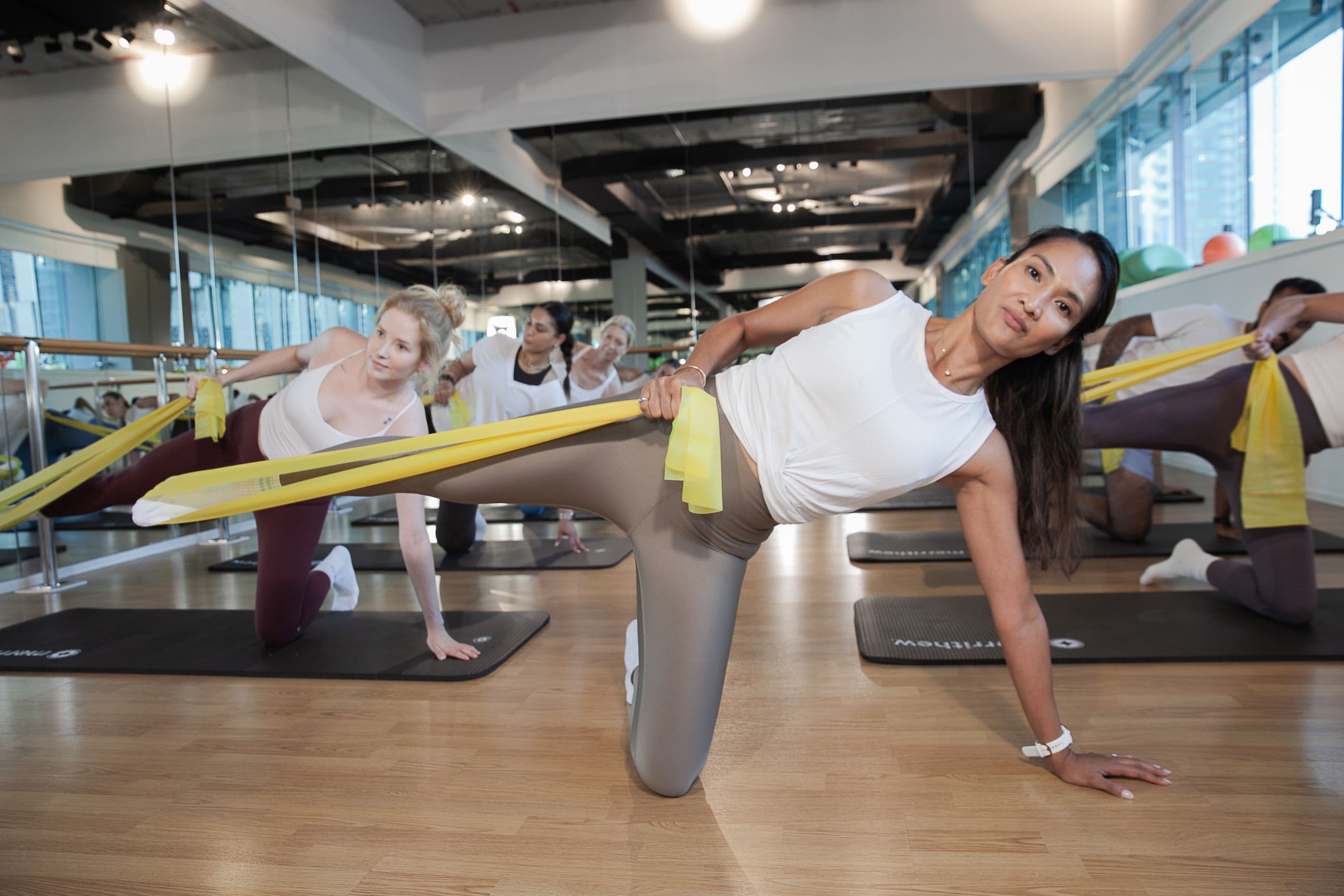
You launched Real Pilates in 2009, long before Pilates became mainstream in the region. What did it take to build a market for something people didn't yet understand?
When we opened in December 2009, most people had never heard of the word ‘Pilates’, and many who had, couldn’t pronounce it. You could not rely on existing demand. You had to create it.
What that required, above everything else, was patience and conviction. We had to educate before we could sell. We had to earn trust before we could build community. The first years were about showing people what was possible in their own bodies, not through promises, but through consistent, careful work, session by session.
I had spent a full year planning before we opened a single door, which included travelling to FIBO, the global fitness industry trade fair in Cologne, where I met Lindsay Merrithew and Moira Stott. That encounter convinced me that the STOTT PILATES® method was the right foundation, not because it was popular, but because it was rigorous, science-based, and built for longevity. I wanted to build something that would still be standing and still be respected in twenty years. That meant getting the method right from day one, not cutting corners.
The other thing that mattered enormously was education. We opened the studio in December 2009 and began training instructors the following month, with the first ever STOTT PILATES Intensive Mat Plus course to be held in Dubai. That decision to run a world-class education programme from the very beginning was not an afterthought. It was the architecture of the business. If you raise the quality of instruction in a market, you raise the entire market.
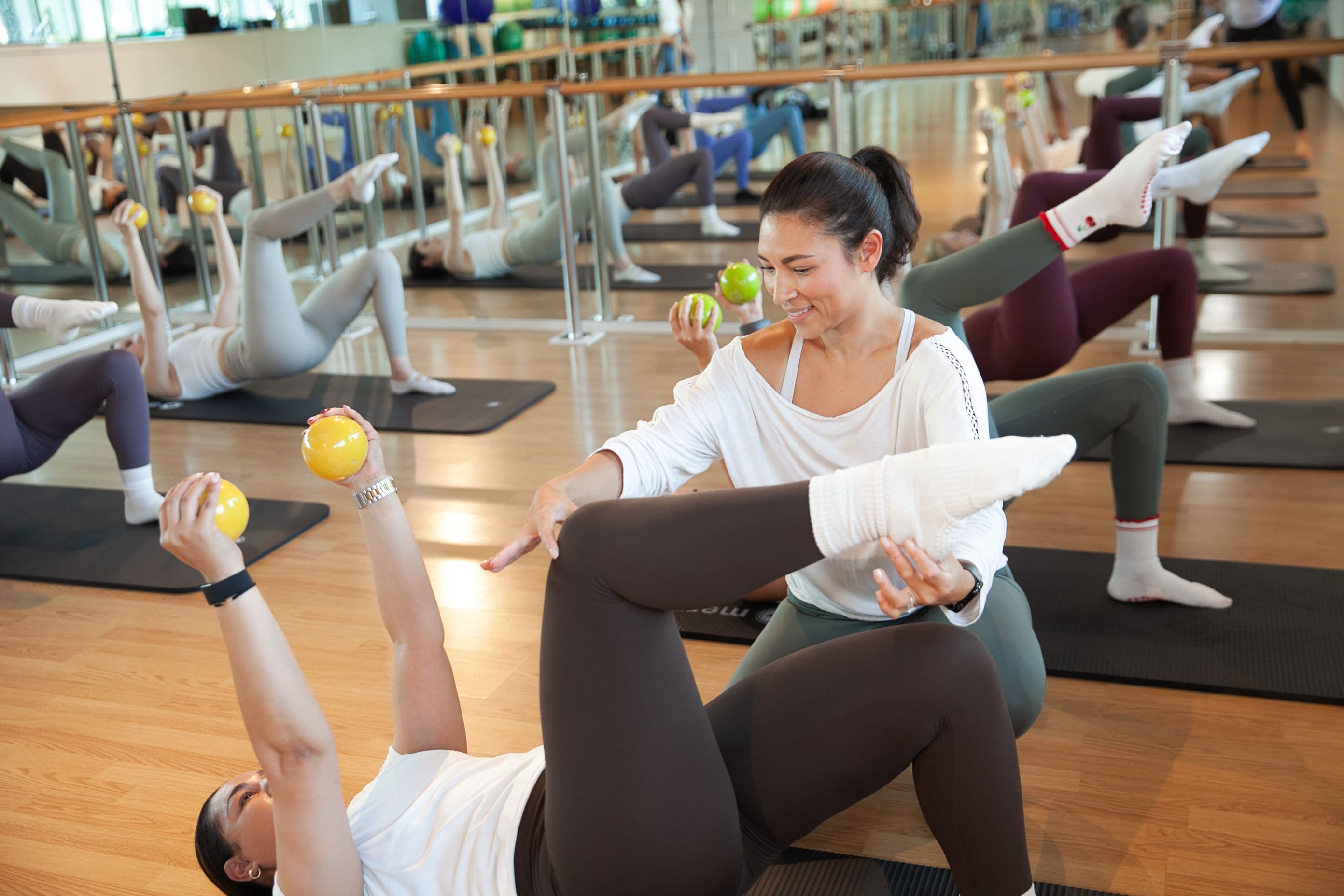
Having transitioned from a corporate role at Nissan Middle East into entrepreneurship, how did that shift shape your approach to building a wellness business?
The corporate background shaped almost everything, though not always in the ways people expect.
At Cedar Consulting, I specialised in the Balanced Scorecard methodology, which is fundamentally about translating strategy into measurable action across an organisation. At Nissan Middle East, I led strategic planning across a competitive, data-dense automotive market. Both environments taught me to think in systems, to plan rigorously, and to be honest about what the numbers are telling you. I brought all of that into Real Pilates.
But the more important lesson was about purpose. In a corporate environment, you execute other people’s strategies. When you build your own business, the strategy is yours, which means the failures are yours too. That is clarifying in a way that employment is not.
The wellness context added another layer. Pilates, done well, is fundamentally about attention, precision, and the long view. You cannot rush progress. You cannot shortcut quality. Those are not particularly corporate virtues, but they mapped very naturally onto how I wanted to run this business. I had seen enough of fast growth built on weak foundations to know what I did not want Real Pilates to become.
After resigning from Nissan in 2008, I spent twelve months planning before we opened. That is not a particularly entrepreneurial instinct, but it was the right one. We opened with a clear model, a committed method, and a long-term plan. Seventeen years later, we are still here, still growing, still serving.
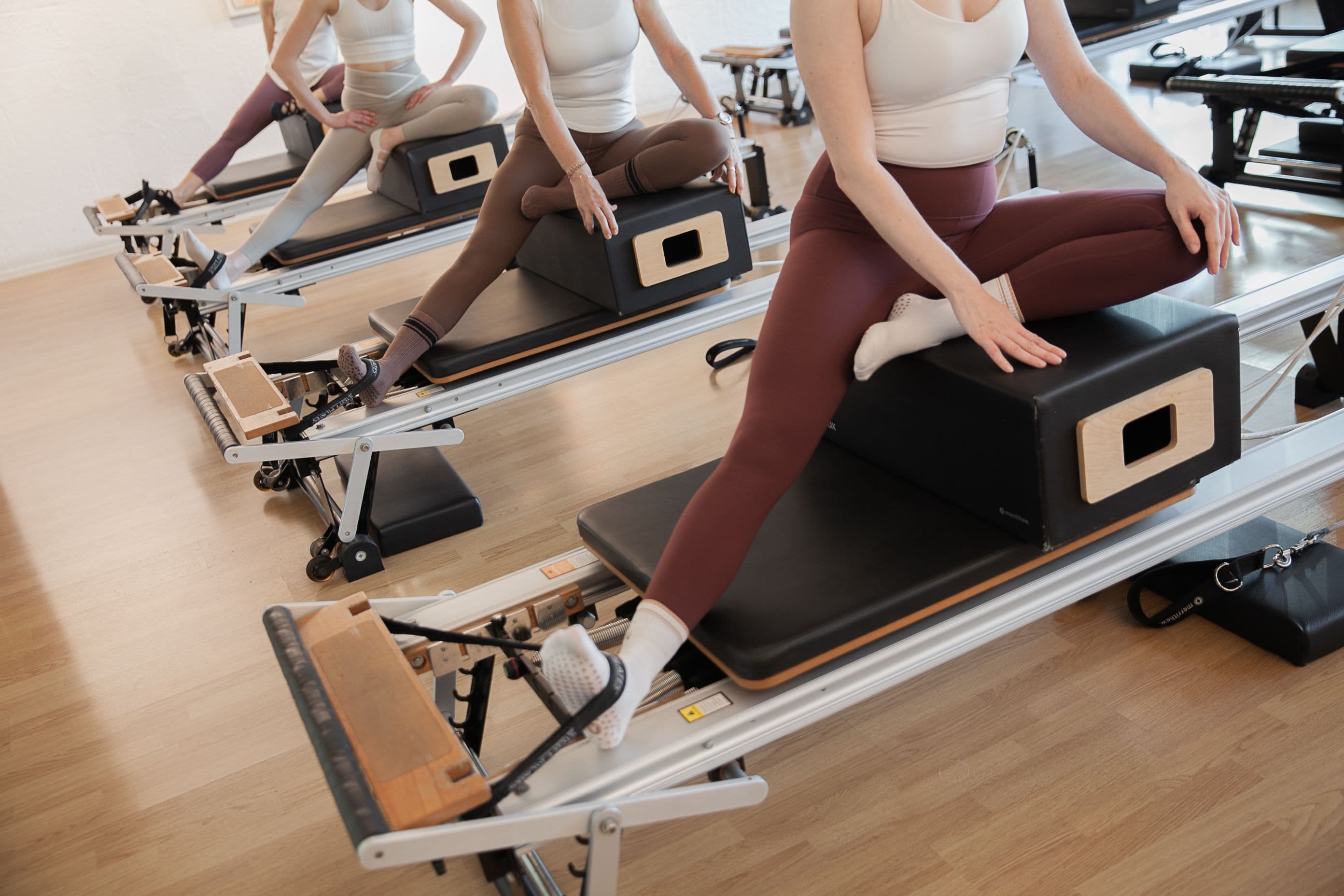
The Middle East’s wellness industry has grown rapidly over the past decade. How have you seen consumer attitudes towards Pilates and mindful movement evolve during that time?
The shift has been profound, and it has happened across several dimensions simultaneously.
In 2009, the typical client who walked through our door was either already Pilates-literate from living abroad, in cities like London, New York, or Sydney, or was referred by a physiotherapist following an injury or surgery. The idea of Pilates as a proactive, long-term movement practice rather than a rehabilitation tool was not yet in the cultural vocabulary here.
That began to change around 2013 to 2015. Mindfulness as a concept entered the mainstream conversation. The idea that movement should serve the whole person, not just burn calories, started to resonate. We saw a measurable increase in male clients, which was significant because Pilates was still widely perceived as a female discipline. Today, the ratio at Real Pilates has shifted from roughly 95:5 in 2009 to something closer to 65:35. That is not a marketing result. It is a reflection of a genuine shift in how people understand the body.
What I find most interesting in recent years is the growing appetite for expertise and explanation. Clients increasingly want to understand why they are doing a particular exercise, what it is targeting, and how it connects to their broader health. That is a sign of maturity in the market. It also vindicates the investment we made in education from the very beginning. When the market matures, method matters.
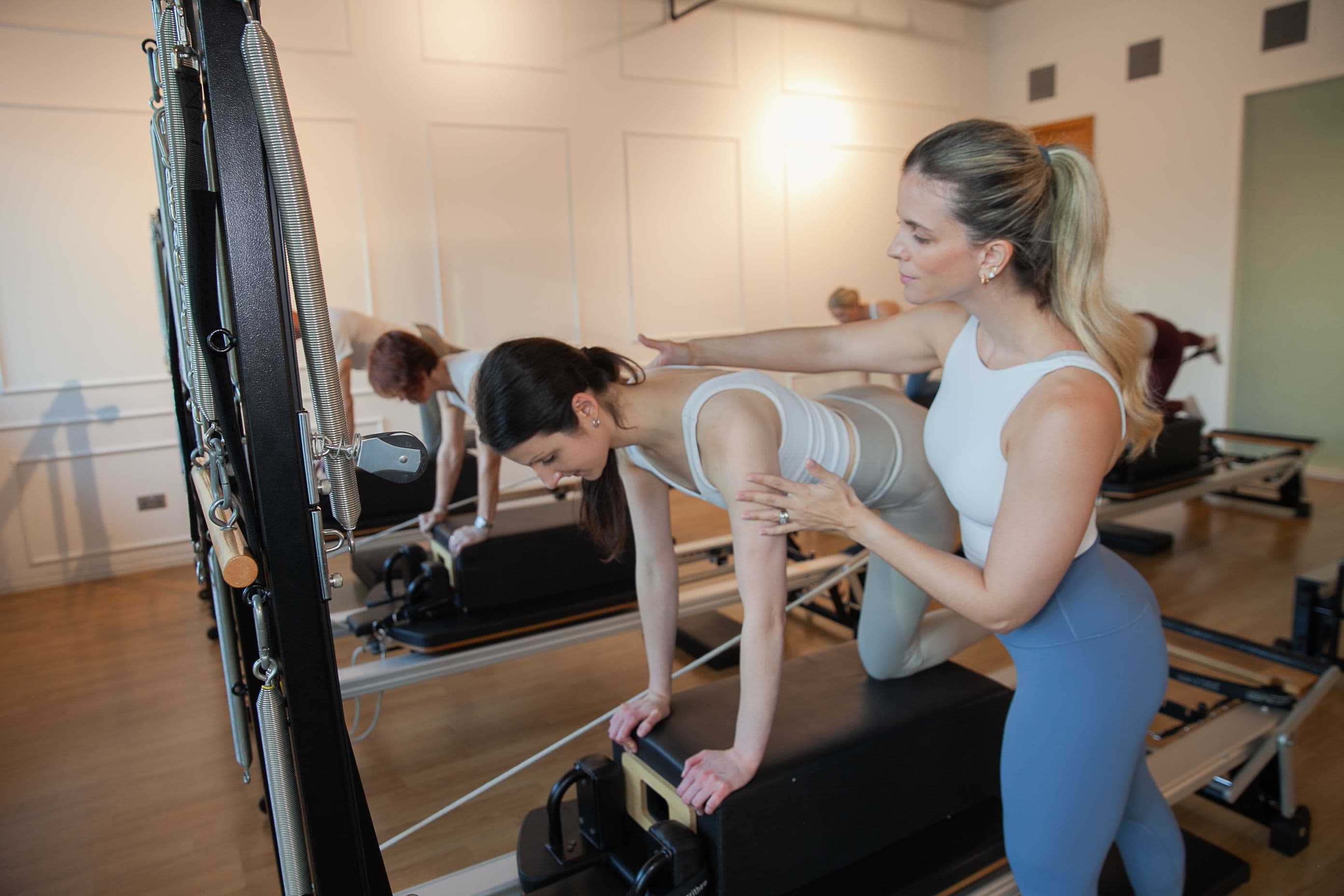
Real Pilates is the region’s only STOTT PILATES® Academy. How important is education in shaping not just instructors, but the credibility and longevity of the industry?
It is the foundation of everything. An industry is only as credible as the practitioners within it, and practitioners are only as good as their training.
When we became the only STOTT PILATES® Academy in the Middle East, it came with a genuine responsibility. The certification programmes we run are internationally recognised and held to Merrithew’s global standards, the same standards that apply whether you are training in Dubai, London, or Toronto. That consistency is not an administrative detail. It is the guarantee that underpins the credential.
We have now trained over 7,000 students through STOTT PILATES programmes, and a meaningful proportion of the professionals working across Dubai’s 80-plus studios came through Real Pilates. That reach carries an obligation. The standard we set in our classrooms and on our equipment directly influences the experience that thousands of clients across the city have with Pilates.
Education also determines longevity, for both individuals and the industry. Instructors who understand anatomy, who know how to modify safely, who can work with special populations including pregnant clients, post-rehabilitation patients, and older adults, those instructors build careers that last. And they build client relationships that last. The market rewards depth, eventually. Our job is to ensure the depth is there to be rewarded.
Boutique fitness studios continue to thrive despite the rise of digital platforms and at-home workouts. What do you believe keeps clients returning to in-person, community-driven spaces?
The honest answer is that physical presence cannot be replicated, no matter how sophisticated the digital offering becomes.
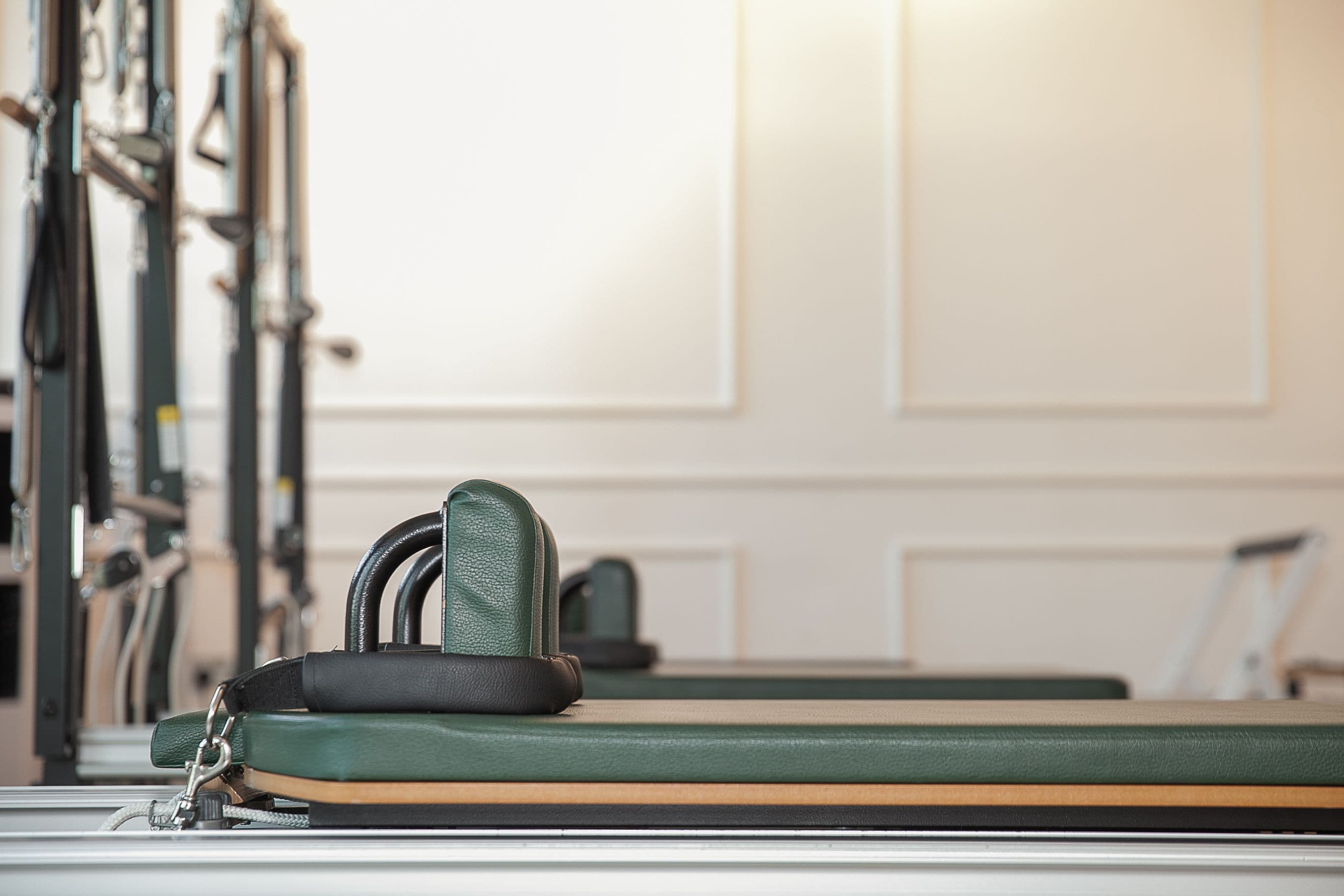
Pilates can be practised on a mat with no equipment at all, or through a range of apparatus, of which the Reformer is the most recognisable, but far from the only one. What all of these settings have in common, when they are working as they should, is the quality of attention between instructor and client. A hand correction, a cue adjusted to your specific movement pattern, a recognition that your left hip is compensating today in a way it was not last week: that level of precise, personalised work is not possible through a screen. For a method as technically demanding as STOTT PILATES, the in-person environment is not a nice-to-have. It is the product.
But beyond the technical argument, there is something more fundamental. People come back because of how they feel when they are there, not just how they feel afterwards. The sense of being known, greeted by name, of belonging to something consistent in an otherwise unpredictable life, that is what community means in a studio context. It is not a marketing concept. It is what you build over sixteen years, one session at a time.
Digital platforms are excellent for accessibility and supplementary learning. We do not see them as competition. They serve different needs and, in many cases, they send us clients who have discovered Pilates online and want the real thing.
With wellness becoming increasingly commercialised, how do you maintain authenticity and quality while continuing to grow?
By staying very clear about what we will not do.
Commercialisation in wellness often takes a specific form: the dilution of standards in the name of accessibility or growth. Larger class sizes that compromise instruction quality, credentials that look good on a website but carry no real substance, partnerships chosen for visibility rather than alignment. We have been offered versions of all of those things over the years, and we have said no to most of them.
The businesses we most admire have built their authority through consistent refusal. Merrithew, for never compromising the methodology regardless of commercial pressure, is the clearest example. Closer to home, I think of how the best medical clinics and private schools in this city have maintained their reputations precisely by not chasing volume. That discipline is harder than it sounds when you are growing and there is always a shortcut available.
For us, quality is operationalised through education. Our instructors are trained to Merrithew’s global standards. Our curriculum does not bend to what is fashionable. Growth, for Real Pilates, is something we approach carefully. We are not interested in being everywhere. We are interested in being consistent. Those two things are in tension, and managing that tension honestly is most of the work.
From your perspective, what defines a truly successful Pilates instructor today, beyond technical ability?
The ability to truly see the person in front of you.
Technical competence is the baseline, the minimum required to practise safely and professionally. But the instructors who build lasting careers, and who genuinely change people’s lives, are the ones who develop a different set of capacities: deep listening, patient observation, the emotional intelligence to understand when to push and when to hold back.
Pilates, practised properly, is an intimate discipline. The client arrives with their history in their body, their stress, their past injuries, their movement compensations accumulated over decades. A skilled instructor reads all of that, not through intuition alone, but through trained, disciplined attention. That takes time to develop and cannot be taught in a single course.
And then, dare I say it, something less often discussed: humility, authenticity, and a genuine moral compass. The fitness industry has a complicated relationship with ego and personal branding, and Pilates is not immune to it. The instructors I have the most respect for are not the ones who are most concerned with their social media following, but instead those who always show up fully for their clients, keep learning without performing it, and measure their success by the progress of the people in front of them, not by their own visibility. That kind of instructor is rarer than it should be, and more valuable than the market always recognises.
I would also add intellectual curiosity. The field of movement science continues to evolve. Instructors who stay genuinely engaged with research and come to continuing education not out of obligation but out of real interest: those are the practitioners who remain valuable over the long term.
How do you see fitness education evolving in the region, particularly as demand grows for more specialised and science-led training?
The direction of travel is clear, and it is towards greater depth and specialisation.
The era of the generalist fitness certification, the kind that qualifies someone to teach everything and nothing in particular, is running out of road. Clients, particularly in a sophisticated market like Dubai, increasingly understand the difference between an instructor who has completed a foundational course and one who has invested years of continuing education into a specific methodology or population.
The demand for science-led training is also pushing the industry towards a more honest reckoning with what good instruction actually requires. Movement is a serious discipline with deep roots in anatomy, biomechanics, and neuroscience. The programmes that will endure are those built on that foundation, not on whatever format is currently popular.
I expect the next significant shift will be around longevity and healthy ageing. As the region’s population profile matures and as the science of longevity becomes part of the mainstream conversation, the demand for movement professionals who understand how to work with ageing bodies, specifically and safely, will grow considerably. That is a space Real Pilates has been quietly developing expertise in for years. The market is coming to meet us.
As someone who has helped shape Dubai’s Pilates landscape, what excites you most about the future of wellness in the Middle East and where do you see the biggest opportunities for innovation?
What genuinely excites me is the professionalisation of the industry. When we started in 2009, we were largely working in isolation. The infrastructure for a credible, well-regulated wellness profession in this region barely existed. Today it is forming, a little unevenly, but forming nonetheless.
One area where I hope to see meaningful progress is the regulatory framework around instructor credentialing. Today, there are still far too many fitness professionals working across this city without recognised qualifications, freelancers operating without verified certifications, in a market that deserves better.
REPs UAE has made a genuine effort to define standards, and I have respect for that work. But the real impact will come when credentialing is integrated into the actual mechanics of how this industry operates: when relevant government entities including the Dubai Sports Council, MOHRE, ICP, and the various freezone authorities are aligned around a shared framework, one where a fitness professional can only obtain the appropriate work permit and residency visa if they hold a certification from a properly vetted and recognised training provider. That kind of integration would change the quality of instruction across the industry meaningfully and permanently.
The opportunity I find most compelling beyond that is the intersection of movement and sustainable performance. This region has an extraordinary concentration of high-performing professionals, people under significant physical and cognitive demands who largely underinvest in their own longevity. The conversation about Pilates as a tool for sustained capacity, not recovery from illness but the active maintenance of one’s best self, resonates deeply with the people we work with every day. That conversation belongs in boardrooms and in employee benefits discussions, not only in studio waiting rooms.
Dubai specifically sits at a rare intersection: a young, ambitious, internationally mobile population with real disposable income and a growing cultural appetite for substance over novelty. That is a compelling context for a business built on exactly those values. We are still early in what is possible here.