
iDiet Is Bringing a More Flavourful Approach to Anti-Inflammatory Eating
What if eating well wasn't about giving up the foods you love, but discovering a more colourful, nourishing and enjoyable way to eat? With its Anti-Inflammatory Diet Plan, iDiet is bringing together Mediterranean and Levantine food traditions, fresh ingredients and personalised nutritional guidance to make healthier eating feel less like a restriction and more like a lifestyle.

Healthy eating has a habit of becoming complicated. One week, a particular ingredient is being celebrated as a superfood; the next, another food group is being labelled something to avoid. Between conversations about gut health, bloating, inflammation and ultra-processed foods, knowing what to put on your plate can sometimes feel like navigating an endless list of nutritional rules.
The answer might be less about following the latest wellness trend and more about returning to the fundamentals: fresh ingredients, colourful vegetables, good fats, fibre and meals that are genuinely enjoyable.
This is the thinking behind iDiet's Anti-Inflammatory Diet Plan, which takes inspiration from Mediterranean and Levantine food traditions while incorporating influences from Asian and international cuisines. Rather than positioning healthy eating as a restrictive exercise, the UAE-based healthy meal plan brand is putting flavour, variety and everyday practicality at the centre of its approach.
At its heart is a simple nutritional philosophy: prioritise whole foods and build meals around ingredients that support overall wellbeing. Seafood, legumes, eggs, whole grains, nuts, seeds, colourful vegetables and healthy fats form the foundation of the plan, alongside ingredients such as turmeric and ginger, traditionally valued for their culinary and nutritional properties.
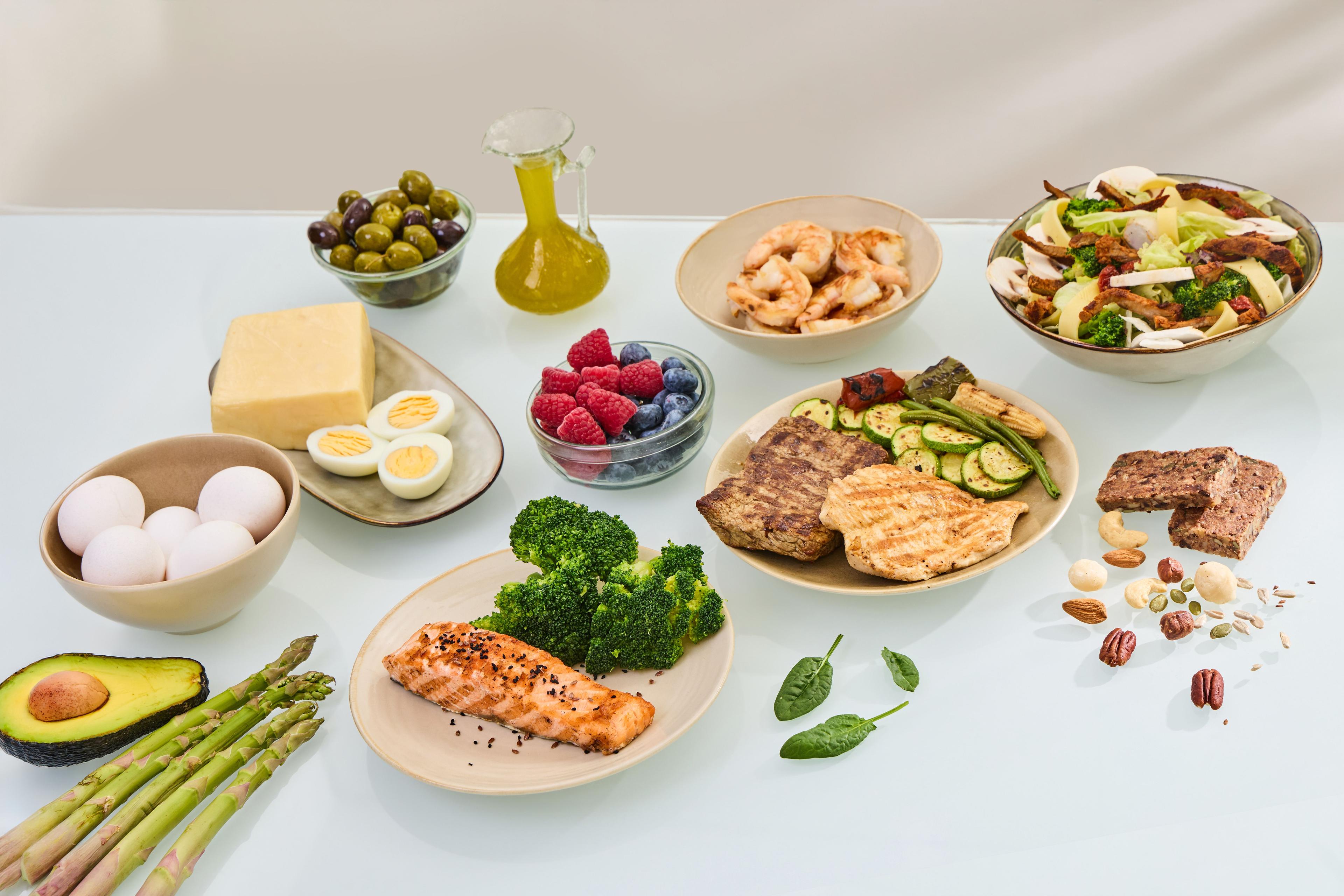
Red meat, poultry, fried foods, refined sugars and ultra-processed ingredients are excluded, creating a structured approach for those looking to reduce their reliance on heavily processed meals and establish more balanced eating habits.
A taste of the Mediterranean, with a modern wellness twist
One of the more interesting aspects of the programme is how naturally it connects with traditional food cultures. Think Lebanese Mdardara, the comforting combination of lentils, rice and caramelised onions, alongside seafood dishes, vegetable-rich recipes and globally inspired meals.
For Sabine Karam, CEO and Co-founder of iDiet, anti-inflammatory eating is not about finding one miraculous ingredient, but understanding how different foods work together as part of a broader dietary pattern.

"Anti-inflammatory eating isn't about one magic ingredient. A spoonful of turmeric won't undo a week of processed food. What matters is the overall pattern: more plants, more fibre, fermented foods, good fats and simple cooking," she explains.
It is a refreshing perspective in a wellness landscape often dominated by quick fixes. Instead of reinventing traditional dishes, iDiet draws on the nutritional foundations already present in many Mediterranean and Levantine recipes, making them accessible through a convenient, professionally structured meal programme.
The experience begins early in the day, with a morning shot such as turmeric-ginger or orange-beet, bringing a colourful start to the morning routine. Meals throughout the day focus on fresh, balanced ingredients, while the evening finishes with a digestive tea or rosemary-lemon calm tea.
A healthier approach to eating shouldn't necessarily mean saying goodbye to something sweet, so the programme also includes desserts made without refined sugar. Sweet potato chocolate fudge, avocado chocolate mousse, chickpea mocha truffles and baked carrot squares with tahini-date caramel demonstrate how naturally sweet ingredients such as dates and fruit can be incorporated into more mindful treats.
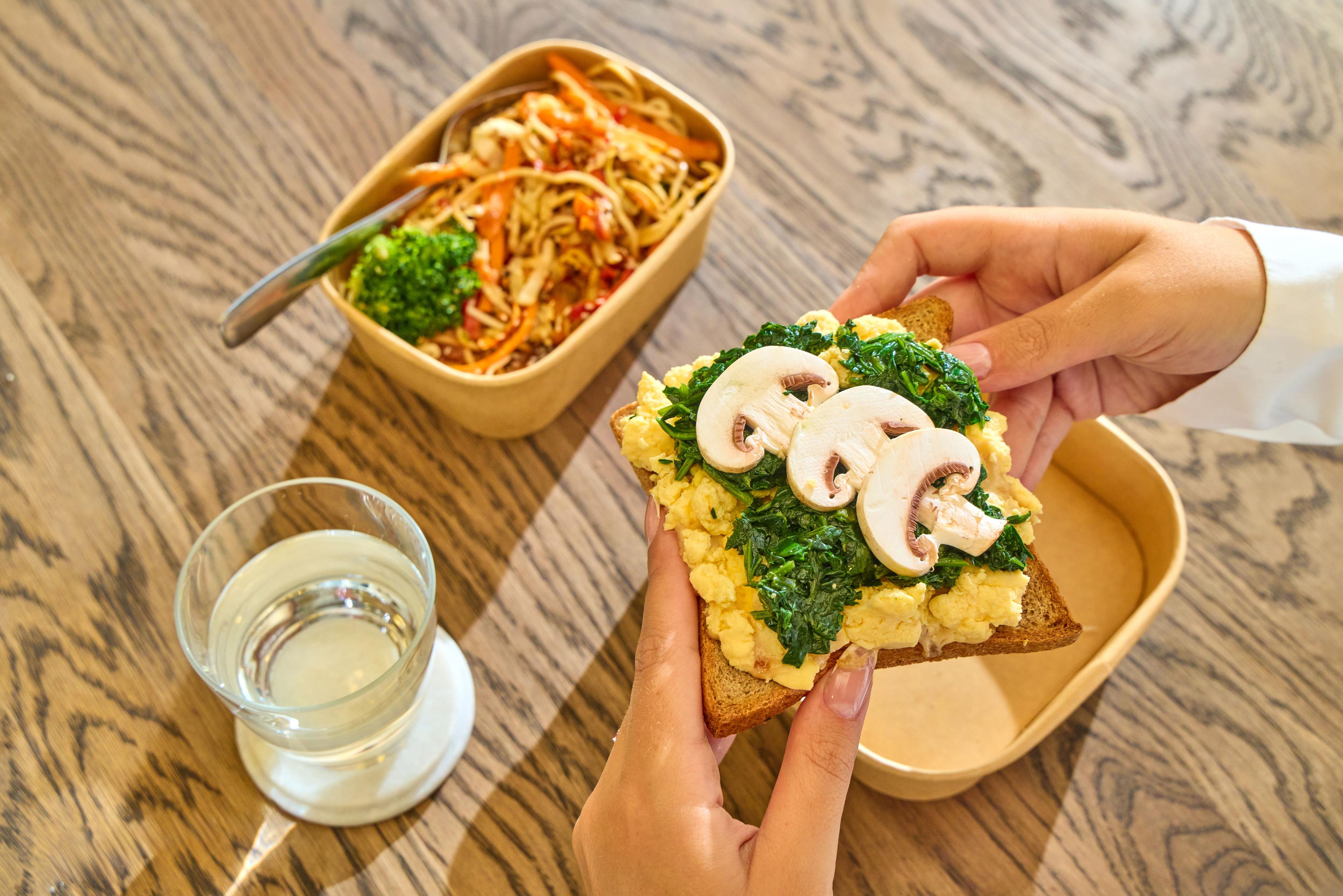
Beyond the plate: Making healthy habits sustainable
Of course, knowing what constitutes a balanced diet and consistently putting it into practice are two very different things. Busy schedules, long working days and the convenience of takeaway culture can make preparing nutritious meals a challenge.
This is where a structured meal plan can make a difference. All meals are freshly prepared daily in iDiet's kitchen, without seed oils or preservatives, and are halal. The emphasis is on removing some of the everyday guesswork around food while introducing greater variety into the weekly routine.
Importantly, the programme also includes personalised nutritional support. Every customer is assigned a qualified dietitian who acts as their account manager, helping them select a suitable plan, navigate individual nutritional needs, adjust menus and make recommendations as their preferences and routines evolve.
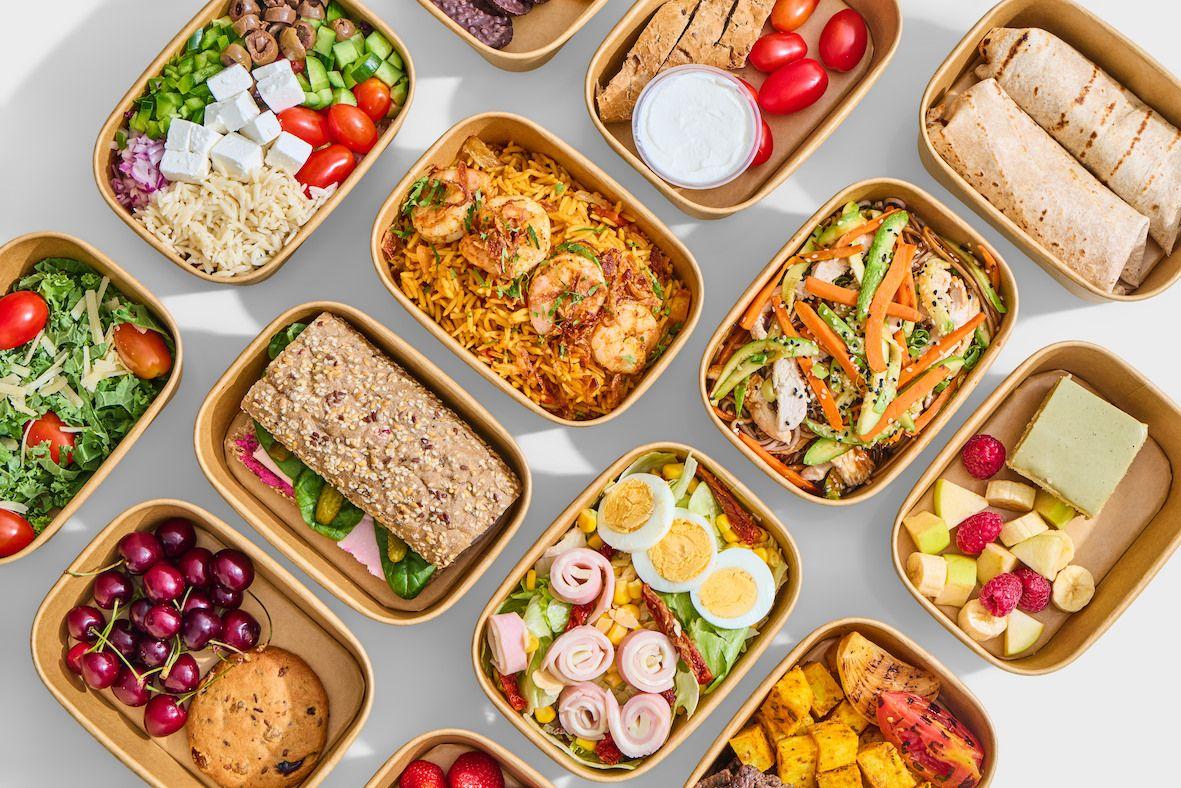
For Karam, this personal relationship is an essential part of creating lasting change. "People often focus on individual ingredients or the latest wellness trend, but the bigger challenge is building eating habits that work in real life. One plan doesn't suit everyone. The food needs to fit the person, their preferences and their routine, and it needs to taste good enough that they want to keep eating it," she says.
It is an important distinction. A nutritional programme should not simply provide a temporary reset; it should help people develop a more considered relationship with food, without making everyday meals feel like a chore.
A more enjoyable approach to everyday nutrition
Operating in the UAE since 2021, iDiet is the UAE brand of HealthBox Diet and Nutrition Center, founded in Lebanon in 2010. With more than 16 years of experience across nutrition, food and healthy meal planning, the company currently serves over 3,500 customers and delivers more than one million meals annually in the UAE.
Its Anti-Inflammatory Diet Plan reflects a wider shift towards more personalised, convenient approaches to everyday wellness, where nutritional value and enjoyment are no longer treated as competing priorities.

While no single meal plan can guarantee specific health outcomes, building a diet around varied whole foods, fibre-rich ingredients and healthy fats is a well-established foundation for supporting overall health.
Eating well doesn't have to mean following an increasingly complicated set of rules. Sometimes, it starts with something as familiar as a bowl of Mdardara, a generous serving of vegetables or a meal prepared with fresh and simple ingredients.


