
How Human-Centric Design Is Quietly Transforming Our Wellbeing
Human-centric design is reshaping how we experience our homes, placing wellbeing at the centre of interiors. From light and layout to sensory details and flow, thoughtfully designed spaces can enhance focus, reduce stress, and support daily life, proving that true wellness begins with the environment we live in every day.

Step into a room and, within seconds, your body responds. Your shoulders either soften or tense. Your breath slows, or it shortens almost imperceptibly. You may not consciously register why, but your environment has already begun shaping your state of mind.
In a world where we spend nearly 90% of our time indoors, the spaces we inhabit are no longer passive backdrops to our lives. They are active participants in our wellbeing, and increasingly, designers are beginning to treat them that way.
Human-centric design, once considered a niche philosophy, is now becoming foundational. At studios like NKEY Architects, the shift is clear: clients are no longer asking for homes that simply look beautiful. They want spaces that feel good to live in and homes that support focus, calm, connection and recovery in equal measure.
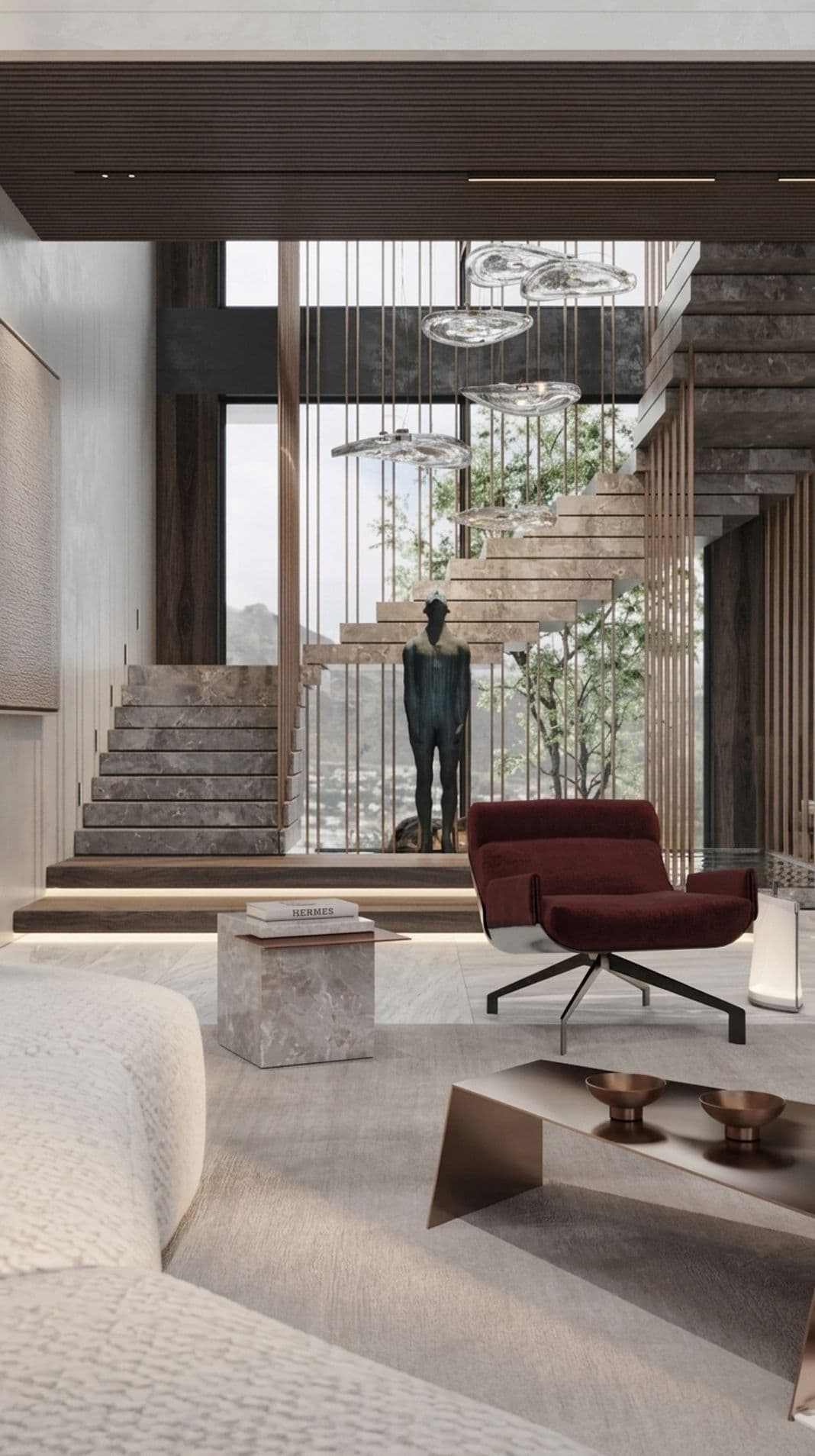
Because ultimately, wellness doesn’t begin with a routine, it begins with the environment that holds it.
The psychology of space: designing for the mind
There’s a reason some spaces feel instantly grounding while others leave you subtly unsettled. The answer lies in the psychology of design. Light, colour, proportion and spatial order all play a role in shaping how we think and feel. Cooler tones, such as soft greys, muted blues, can enhance alertness and focus, making them ideal for workspaces or areas of productivity. Warmer hues, by contrast, tend to soften the nervous system, encouraging relaxation and emotional ease, but it goes deeper than colour alone.
A visually striking room can still feel mentally exhausting if it lacks coherence. Cluttered layouts, competing focal points or poor spatial balance can create a low-level cognitive overload. You may not identify it immediately, but you feel it, through restlessness, distraction, or a subtle desire to leave the space.
By contrast, interiors with clear zoning and harmonious proportions create a sense of mental clarity. They allow the brain to “rest,” reducing the effort required to process the environment.
It’s no coincidence that wellness-focused homes are now commanding a premium. We are beginning to recognise that how a space makes us feel is just as valuable as how it looks.
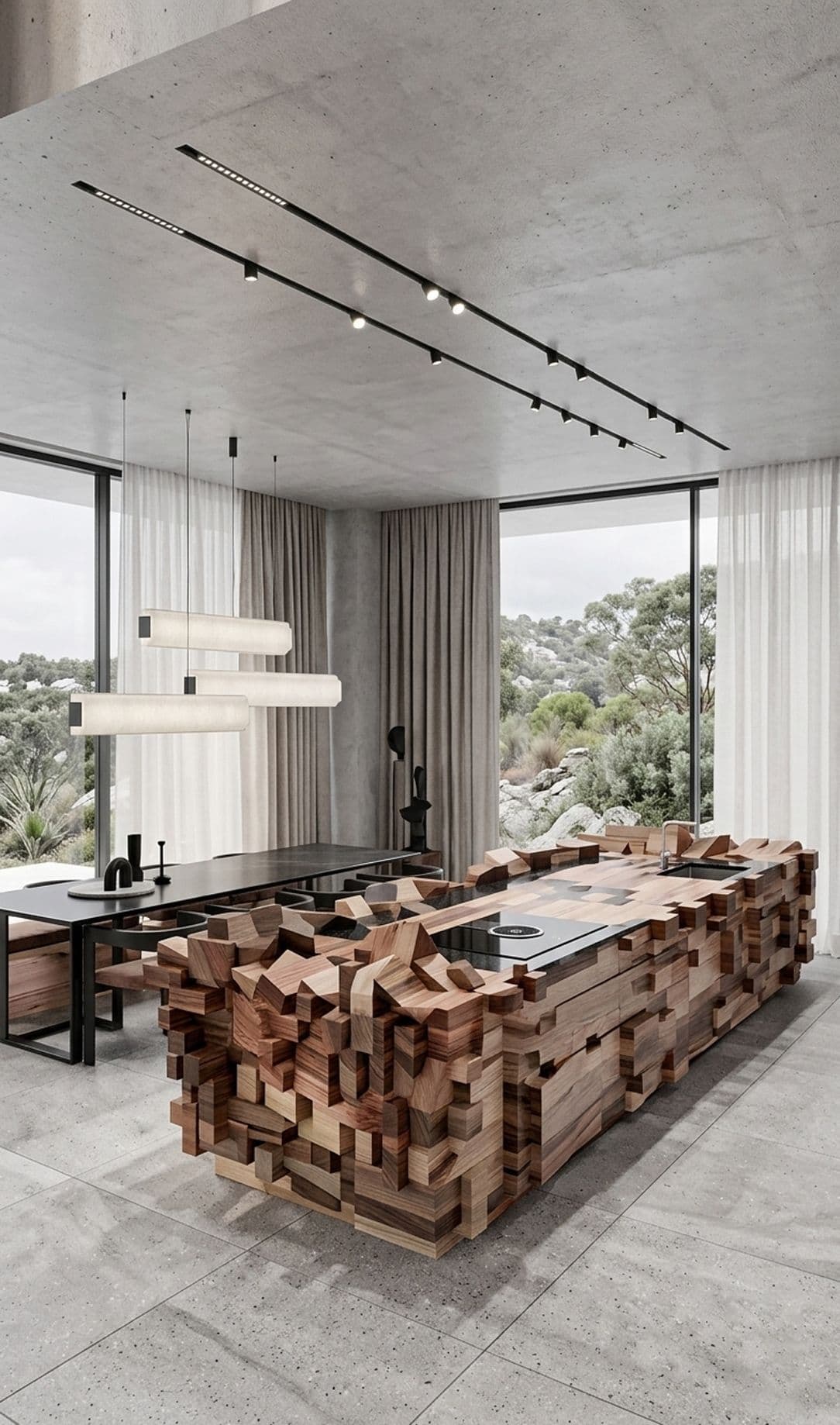
Behaviour-driven design: shaping how we live
The most impactful interiors are not designed around aesthetics alone, but around behaviour. How do you move through your home in the morning? Where do you naturally pause? Where do you feel most focused, most social, most at ease? These questions are now guiding design decisions in a much more intentional way.
Open-plan layouts, for example, can foster connection, encouraging conversation, shared moments and a sense of togetherness. Without balance, they can also feel overwhelming though. That’s where quieter, more enclosed spaces come in, offering moments of retreat and focus.
Even ceiling height plays a role. Higher ceilings are often associated with expansive thinking and creativity, while lower, more intimate spaces can support concentration and detail-oriented tasks.
This is where design becomes almost invisible in its effectiveness. A well-designed home gently guides your day—supporting productivity when you need it, and slowing you down when you don’t.
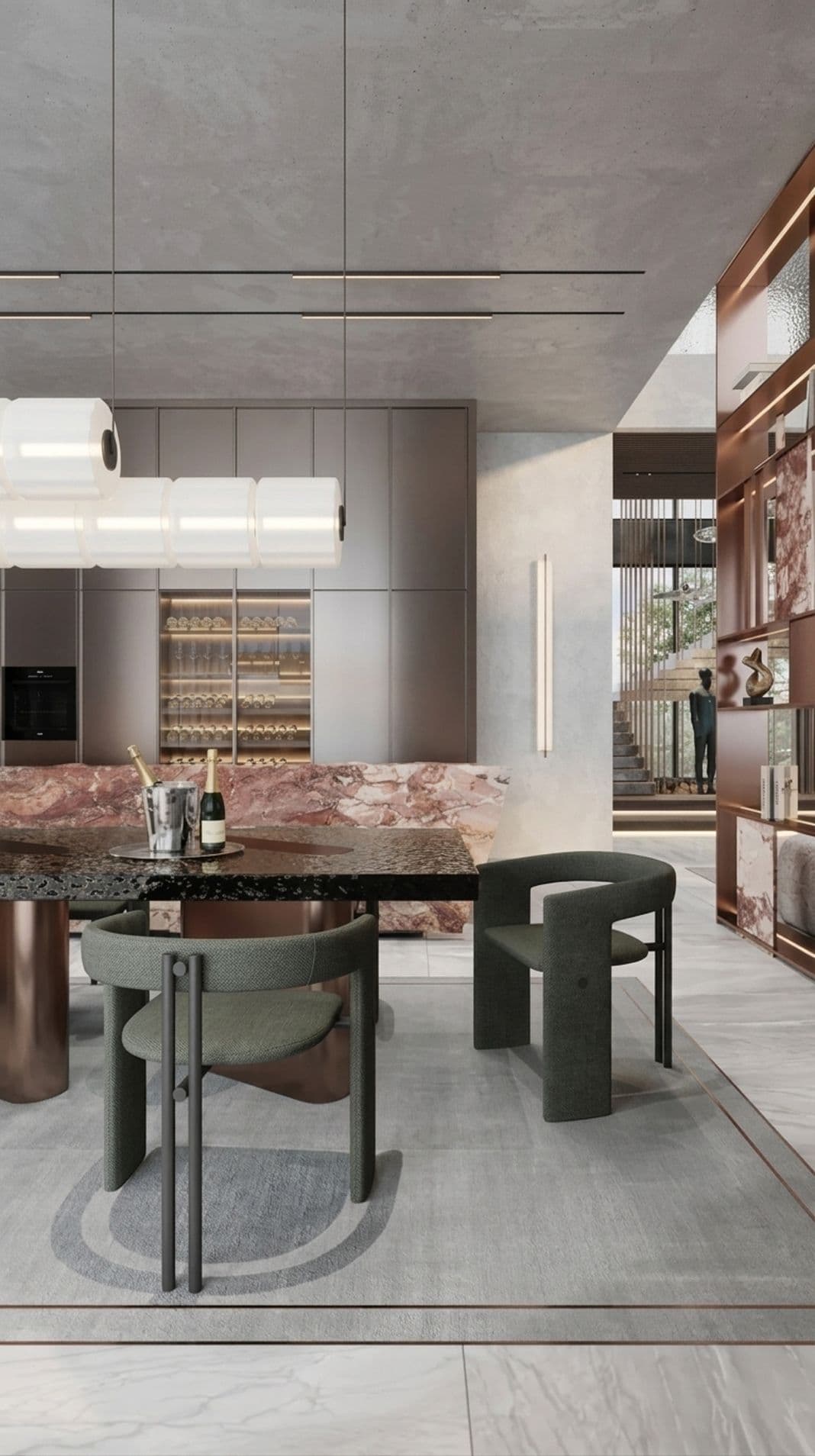
Sensory design: engaging the body, not just the eye
Wellness is not purely visual, but also sensory. The way a space sounds, feels, and even absorbs light can influence your nervous system more than you might expect. Harsh lighting, echoing acoustics, or overly reflective surfaces can create subtle overstimulation, leading to fatigue or irritation over time.
On the other hand, softer lighting, natural textures and balanced acoustics create a sense of ease, an environment the body doesn’t have to “fight” to relax in. Proximity to natural elements plays a particularly powerful role. Exposure to sunlight, greenery and organic materials has been linked to increased wellbeing, creativity and even productivity.
This is the essence of sensory design: creating spaces that feel good on a physiological level, not just an aesthetic one. It’s the difference between a room that looks calm and one that actually makes you feel calm.
Flow and structure: the rhythm of a home
If you’ve ever walked through a space that felt “off” without knowing why, chances are the issue was flow. Flow is what connects a space. It’s the ease with which you move from one area to another, the subtle transitions that make a home feel intuitive rather than disjointed.
When flow is disrupted, through awkward layouts, abrupt transitions or unclear pathways, the experience of the space becomes fragmented. Over time, this can translate into low-level stress or discomfort. Structure, too, plays a crucial role.
A well-designed space has a sense of direction. Not in a rigid or restrictive way, but in a way that provides clarity and grounding. Clear axes, defined zones and thoughtful spatial organisation create a feeling of stability, something our minds and bodies instinctively respond to. It’s not about minimalism or maximalism. It’s about coherence. Because when a space feels aligned, we feel aligned within it.
The future of wellness lives at home
As the definition of wellness continues to evolve, one thing is becoming increasingly clear: it’s not confined to the gym, the spa or the meditation app. It’s embedded in the spaces we return to every day.
Human-centric design isn’t about adding more, but refining what’s already there—removing friction, supporting natural rhythms and creating environments that work with us, not against us.
The most powerful spaces don’t demand attention. They support you quietly, consistently, in ways you may not always notice, but you always feel.