
From Her Mother's Kitchen to SEVA Table: Chef Kiki Alvarez on Arepas, Ayurveda, and What Wellness Really Tastes Like
Long before "wellness" became a word on a menu, Chef Kiki Alvarez was living it, in a Venezuelan kitchen filled with the smell of coffee and corn on the budare, taught not by a single mentor but by generations of women who simply knew. A decade into her partnership with SEVA Table in Dubai, she's finally bringing that upbringing full circle: a masterclass that blends Ayurvedic and macrobiotic principles with the arepas, flavors, and family traditions she grew up on. We sat down with Kiki to talk about dough that has to feel just right, dishes that nourish without ever feeling restrictive, and why sharing a meal is really an act of resilience and joy.

What's your earliest memory of arepas? Who taught you, and what did that kitchen look like?
Arepas are almost a synonym for Venezuela. They are part of our lives from the moment we are born. We even have a children’s song about them. We eat arepas almost every morning and every night.
So that kitchen was my mother’s kitchen, but it was also my aunt’s kitchen, my uncle’s kitchen, and almost every kitchen we visited growing up. I can still tell you exactly how it smelled. Freshly brewed coffee early in the morning, the smell of corn touching the budare, the flat top where we cook our arepas, and my mother flipping them with her bare hands, with that superpower only mothers seem to have. Although I believe I inherited that one.
There was never really one person or one moment when someone taught me how to make arepas. I learned by being in all these kitchens, watching and eventually doing. They simply became part of who I am as a Venezuelan and what home means to me.
How has your Venezuelan upbringing shaped the way you think about "wellness" through food, long before it was a buzzword?
Growing up, wellness wasn’t a word we used. It was simply how we lived. I was raised by a vegetarian. My mother has been vegetarian since her twenties, and she is also a marathon runner and tennis player, so we always ate very well at home. She was doing things back then that are only now becoming trends.
Eating healthy has been part of my life for as long as I can remember, and it made me curious from a very young age about how to cook this way and still make food people actually wanted to eat. When I was 13, I started selling healthy lunch boxes to my mother’s coworkers. Sometimes they were probably a little too healthy!
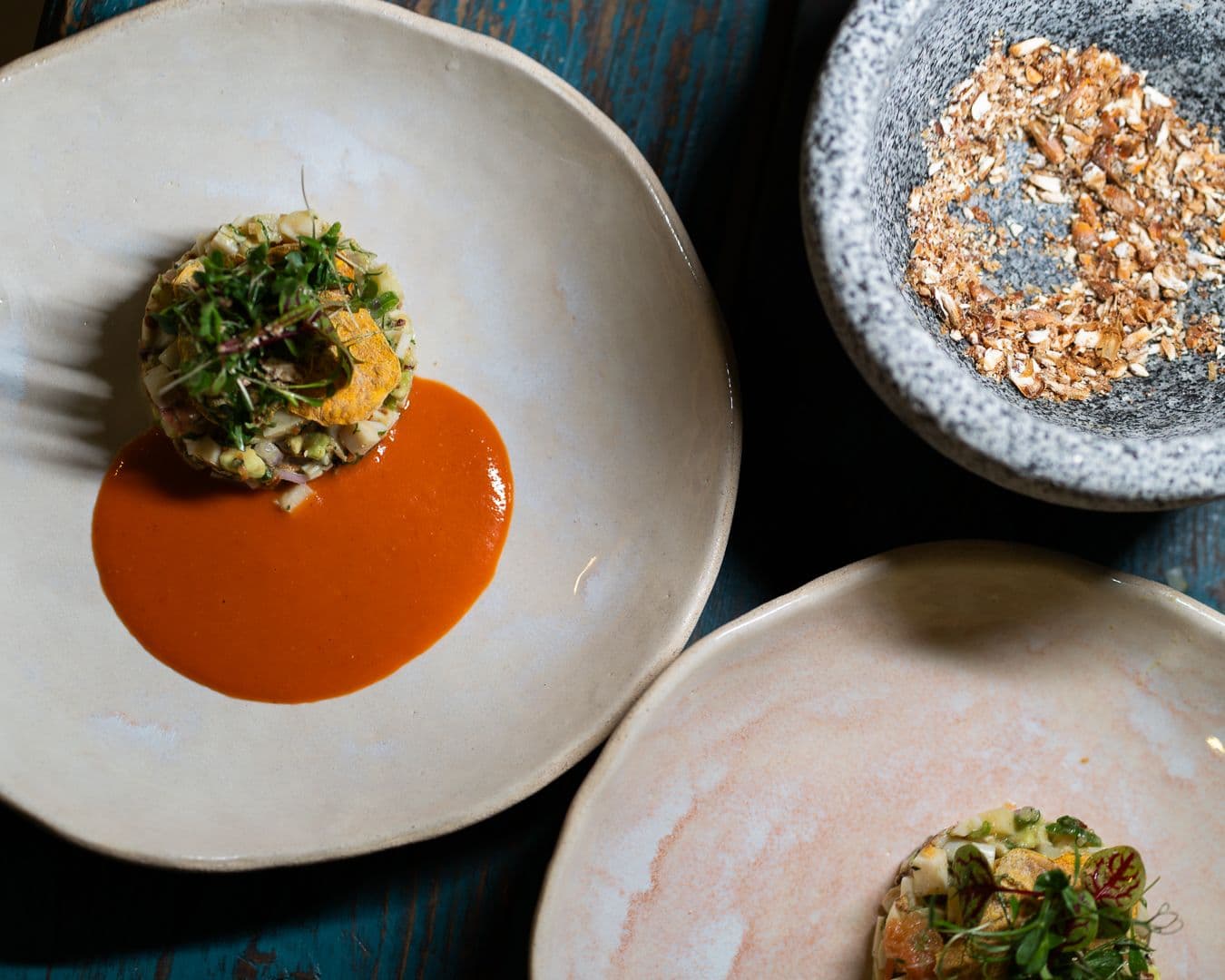
How did your partnership with SEVA Table come about, and what drew you to bring Venezuelan home cooking into their space?
I’ve been part of SEVA for the last 10 years. My relationship with this place began the moment I first stepped into the garden as a customer, and it has evolved through many chapters since then.
Through all of them, SEVA has never felt like just a workplace to me. It has always inspired me and felt like a blank canvas where I could express myself through food and through the way I like to feed people. I’ve always been encouraged by the owners and management to bring my own flavors, ideas, and roots into the kitchen.
People have been asking me about arepas for years. It took me some time, but eventually it happened. Bringing Venezuelan cooking into SEVA just made sense. It feels like sharing a side of myself that is very precious to me with our guests.
The press release talks about "lightness without heaviness." How do you design a dish so it feels nourishing rather than restrictive?
One of the reasons I cook the way I do, and something I often share with our guests, is that my food is meant to make you feel good after you eat it.
I pay a lot of attention to sourcing and to how ingredients work together, drawing from ancient food traditions such as Ayurveda and macrobiotic nutrition, while also considering the season and what the body naturally needs at different times of the year.
But none of that should come at the expense of pleasure. I layer flavors and textures so the dish still feels rich, satisfying, delicious, and memorable. For me, nourishing food should never feel like something is missing.
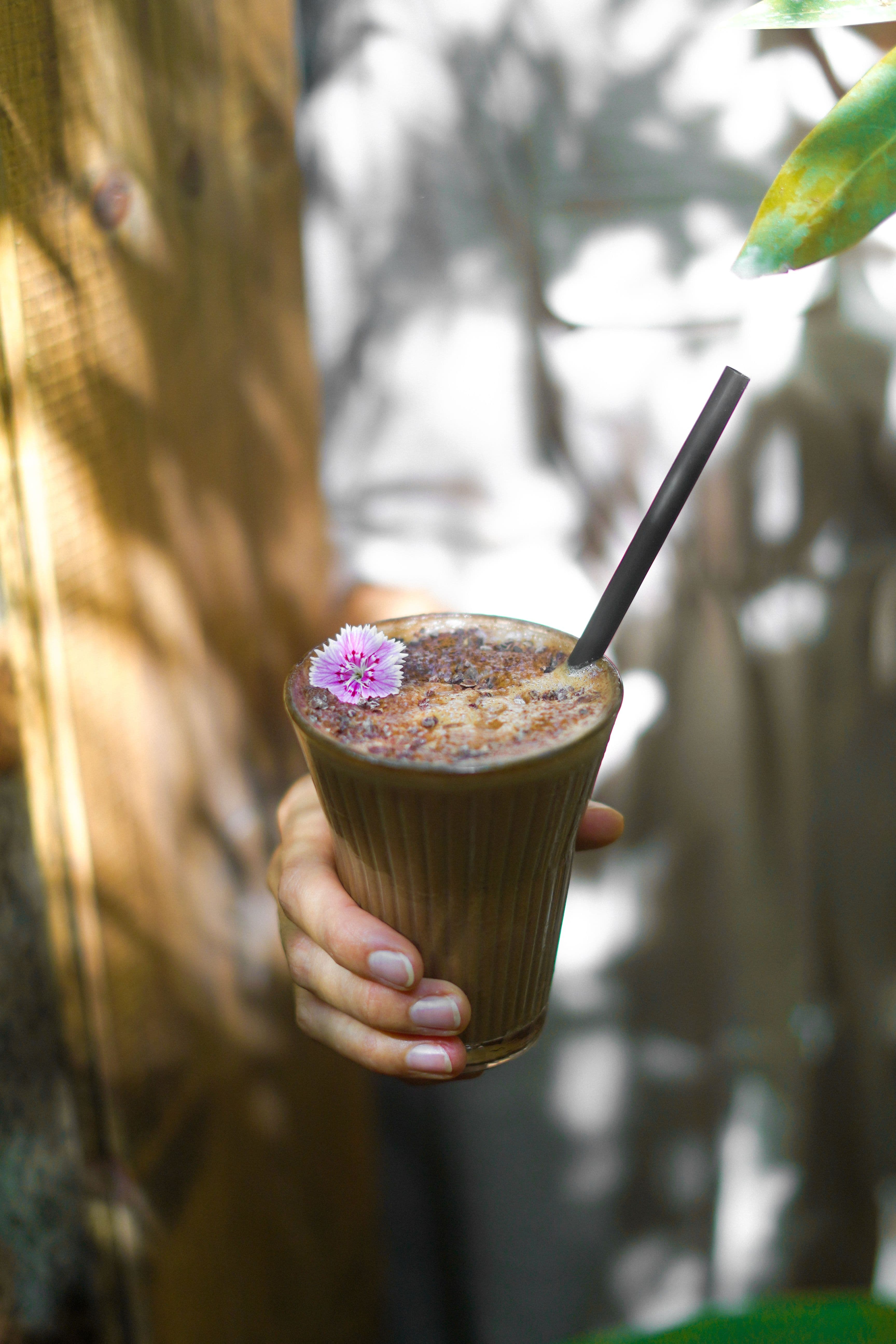
The Tahini Espresso Martini and SEVA Twix 2.0 feel playful next to dishes rooted in tradition. How do you decide when to reinvent versus honor a classic?
I'm more about creating my own version of a dish than recreating the classic, because I believe plant based cooking lends itself to that kind of reinvention.
I always look at recipes through my own eyes, my experience, and what I have on hand in the kitchen. It's about evoking the nostalgia a classic can awaken, but with my signature on it. My own flavors, my own interpretation.
For someone who's never made an arepa from scratch, what's the one technique that trips people up, and the one that makes it click?
The thing that trips people up most is the dough. The consistency has to be just right. Not too dry and not too wet, otherwise it simply won’t cook properly.
Then there is the shape. Getting that beautiful, even, round form matters because Venezuelans will absolutely judge your arepa by how round and perfect it is.
Once you understand the dough and learn how it should feel in your hands, everything starts to click. After that, it’s really just practice.
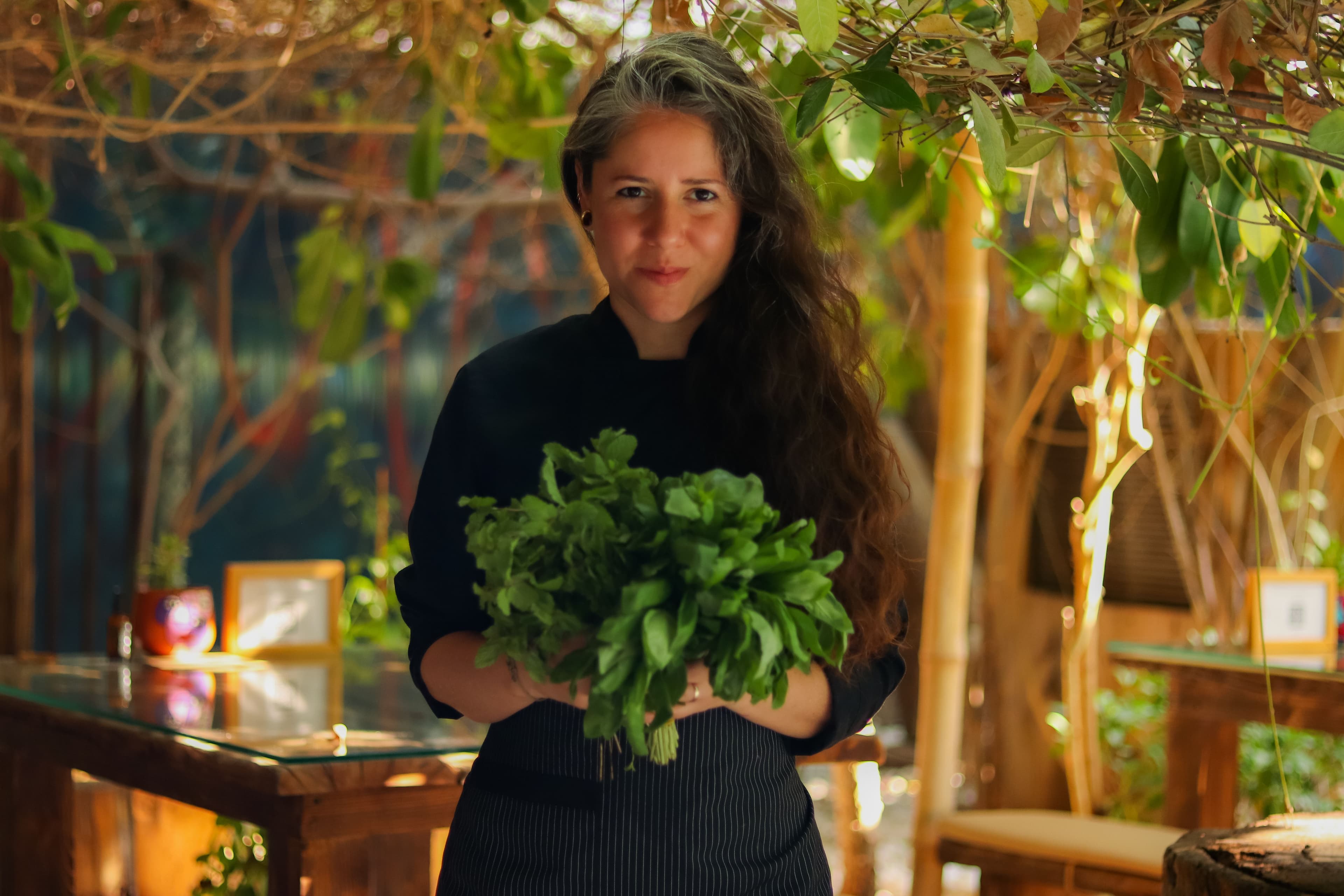
You've described the masterclass as "part cooking class, part cultural experience." What do you want people to walk away understanding about Venezuela, not just about cooking?
I want people to walk away understanding that Venezuela is so much richer and more diverse than what they usually hear about.
Our food carries much more than flavor. It carries family, generosity, joy, and the way we gather around each other. When I cook for someone, I’m not only feeding them. I’m sharing a piece of who we are.
Especially over the last years, you can see the resilience and spirit Venezuelans carry with them. Cooking and sharing a meal, even during difficult times, is part of how we say: we are still here, we still care for one another, and we still have joy to give.
If someone left your masterclass and cooked just one thing from it at home for a friend, what would you want that to be?
This one is easy. Arepas, of course.
It’s been happening throughout the 10 years I’ve lived in Dubai, and it still makes me proud. I visit friends from different parts of the world and suddenly see the flour we use to make arepas sitting in their kitchen.