
Feel-Good Soda, Finally: How Two Founders Are Rewriting the Rules of Gut Health in the Region
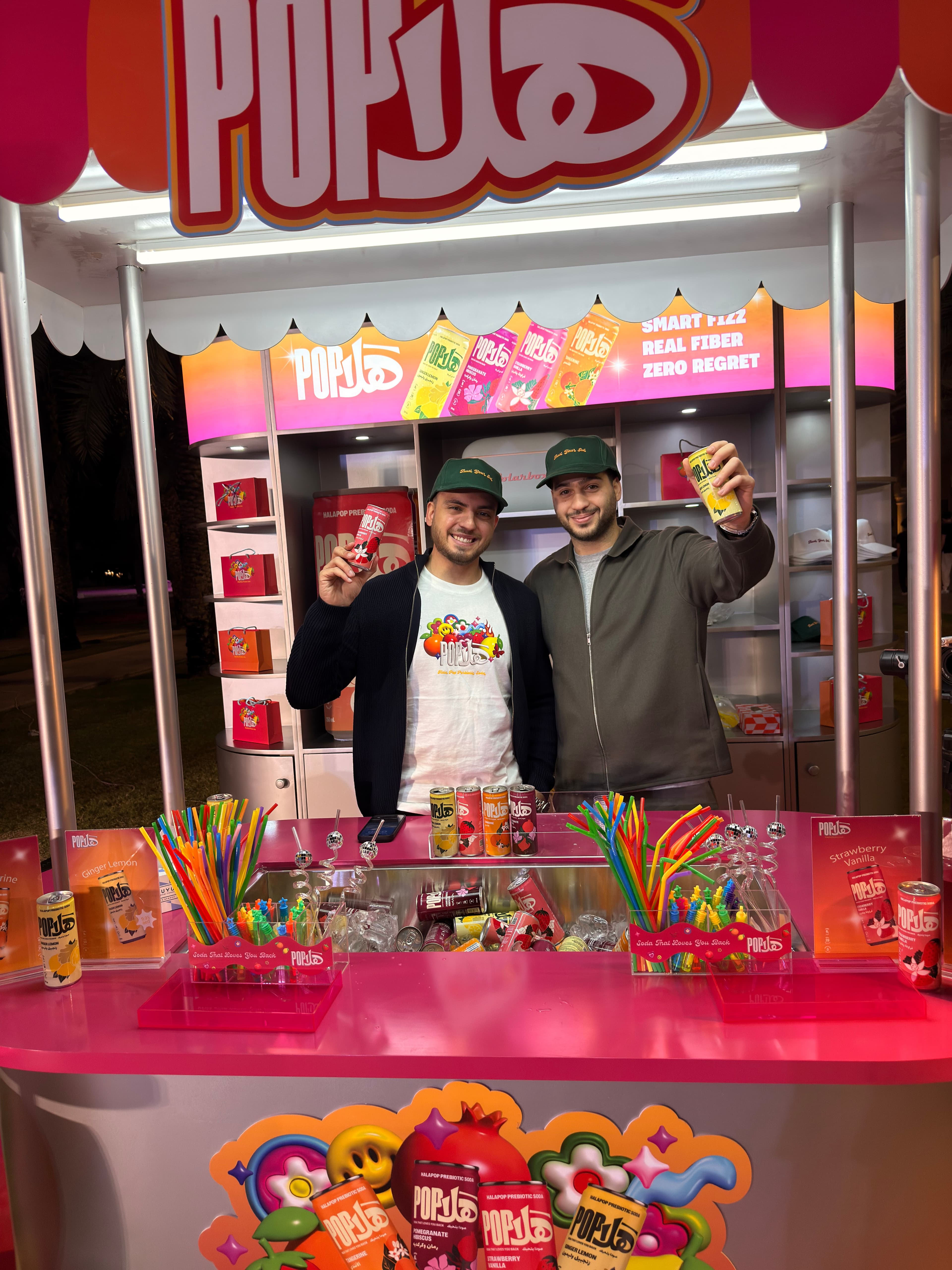
Somewhere between the sugary soda nobody needed and the health drink nobody actually enjoyed, Karim Jalloul and Walid Antabli saw a gap, and decided to fill it themselves. The result is HalaPop, the first prebiotic soda built in and for the Middle East, delivering 6g of plant-based fiber, zero added sugar, and just 29 calories in a can that tastes like nostalgia, not a compromise. But this isn't a story about importing a Western wellness trend and slapping on local flavors. It's about four plant-based fibers, including regional superfoods like baobab and moringa, chosen with intention. It's about dozens of formulation attempts refined until they tasted like joy instead of medicine. And it's about building an entire supply chain, regulatory pathway, and manufacturing process from the ground up in Dubai, because nothing like it existed here before. We sat down with Karim and Walid to talk about the frustration that started it all, why soda, of all things, was the right vehicle for a gut health message, and what it really takes to build a category from scratch in a region that's ready for it.

1. Take me back to the actual moment HalaPop went from an idea to something real. What was the conversation that made you say "we're building this"?
Honestly, it started with a frustration we both shared. Every time we walked into a store or opened a delivery app, the choice was the same: sugary sodas we did not want to drink, or health drinks that tasted like a compromise. There was nothing in the middle that felt good to drink and actually did something good for you. And there was definitely nothing built here, for our region, with our flavors and our culture in mind.
The moment it became real was when we stopped talking about it as a nice idea and started asking the harder question: why does this not exist in our part of the world yet? Once we saw that gap clearly, it stopped being a conversation and became a decision. We were building this.
2. Why soda specifically? You could have built a supplement or a kombucha. What made a fizzy, nostalgic drink the right vehicle for a gut health message?
Because soda is emotional. Nobody feels excited about swallowing a supplement, and kombucha, as much as we respect it, is an acquired taste that most people never fully warm up to. Soda is different. It is nostalgic, it is social, it is the drink people actually reach for when they want a moment of enjoyment.
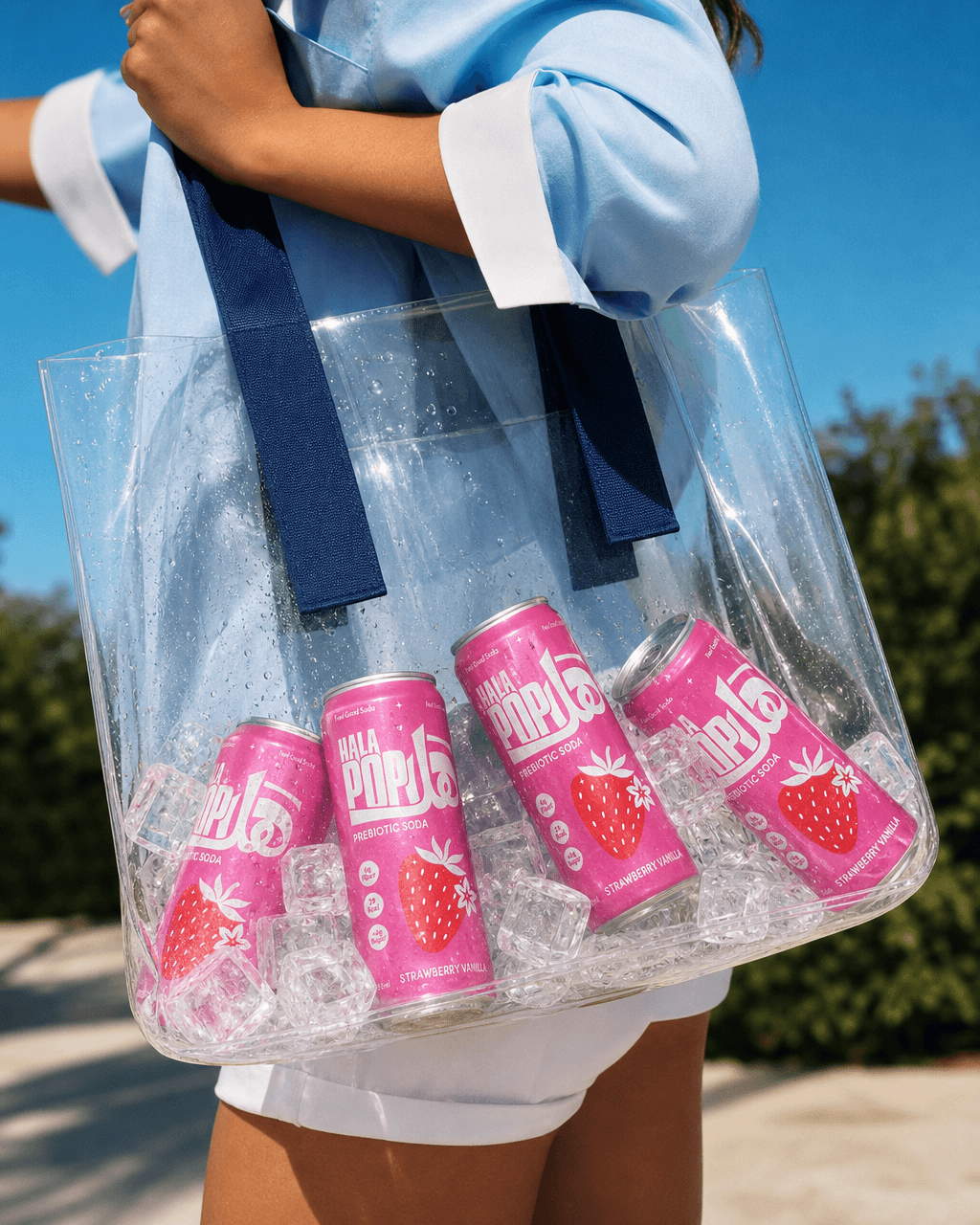
We did not want to ask people to change their habits or feel like they were taking medicine. We wanted to take something they already love and quietly make it better. If we could deliver 6g of prebiotic fiber, no added sugar, and only 29 calories inside a drink that genuinely tastes like a proper soda, then gut health stops being a chore and becomes something you enjoy every single day. That is a much more powerful way to reach people than another pill or another wellness shot. That is what feel good soda means to us.
3. Walk me through your process for actually formulating the product. How many versions did you go through before landing on something that tasted like a real soda and not "health food"?
It took many rounds. Real fruit juice behaves differently in every single flavor, and prebiotic fiber adds its own complexity, so there was no shortcut. We would develop a batch, taste it, adjust, and go again. Some versions were too earthy, some were too sweet, some just did not have that crisp soda finish we were chasing.
The hardest part was refusing to settle. It would have been easy to accept something that was 80% there and call it healthy enough. We did not want that. Every flavor was tuned individually until it tasted like a soda you would choose for the taste alone, not because it was good for you. When we finally got there, the test was simple: would someone drink this and enjoy it without ever knowing it had 6g of fiber in it? Once the answer was yes, we knew we had it.
4. Why prebiotic fiber as the core mechanism? What made you choose that over probiotics or other gut health ingredients that are more familiar to people?
Prebiotics and probiotics get confused a lot, so we think about it simply. Probiotics are the good bacteria themselves. Prebiotics are the food that keeps those bacteria alive and thriving. You can add all the probiotics you want, but if you are not feeding them, they do not last.
Beyond that, there was a practical reason. Probiotics are live cultures, which makes them fragile in a shelf-stable carbonated drink. Prebiotic fiber is far more stable, which means we can deliver a real, meaningful dose in every can without it degrading. And most people here are nowhere near their recommended daily fiber intake. One can of HalaPop delivers 6g toward that goal in a format people actually enjoy. That felt like the honest, effective choice rather than the trendy one.
5. Cassava root, topinambur, baobab and moringa aren't ingredients most people know. How did you land on that specific combination, and what was the science or reasoning behind it?
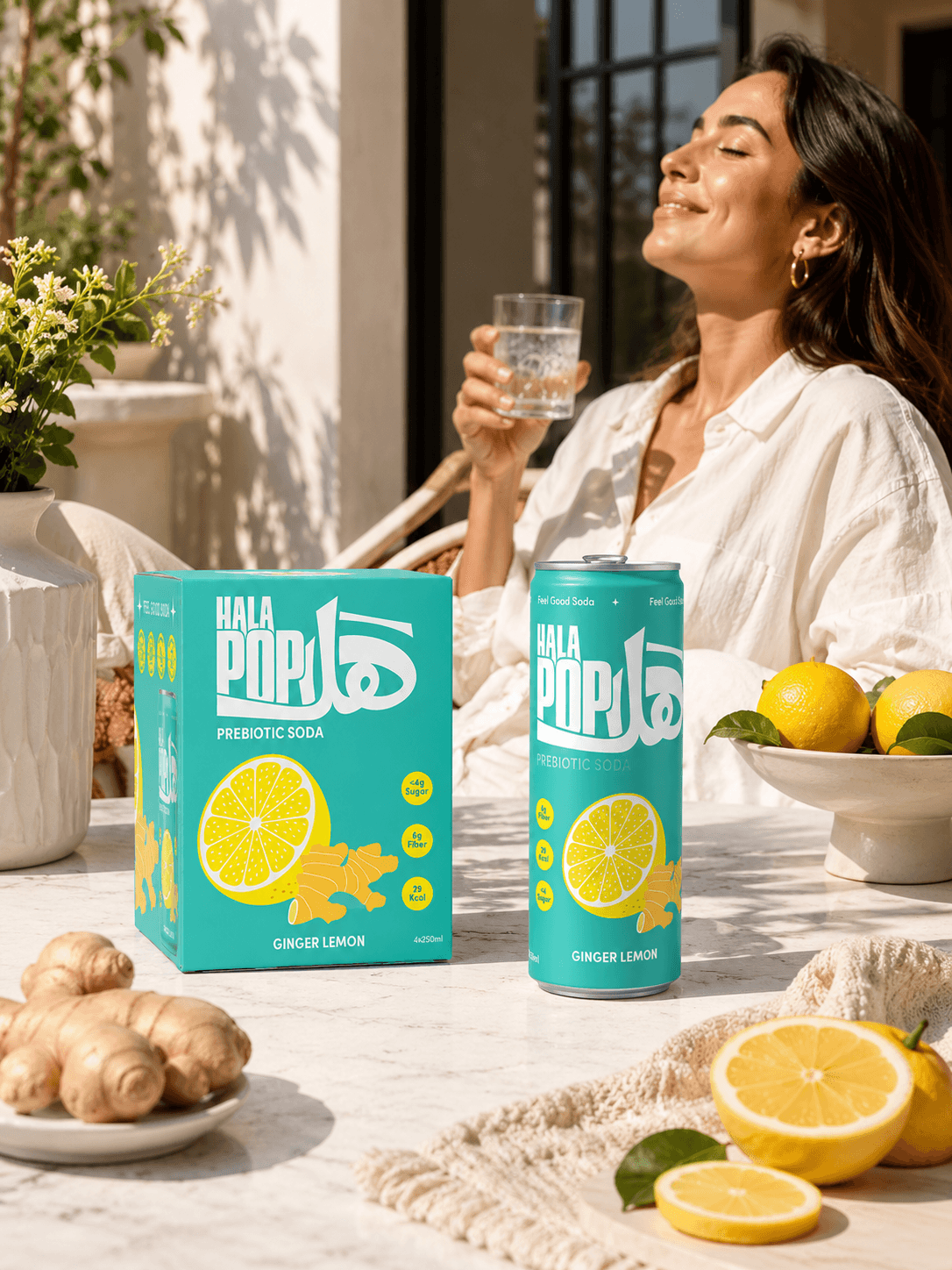
We wanted our fiber to come from real plant sources, not a single lab-made ingredient, and each one earns its place. Topinambur, the Jerusalem artichoke, is naturally rich in inulin, which is one of the most researched and proven prebiotic fibers in the world. Cassava fiber is a resistant plant fiber that passes through digestion and feeds the good bacteria in the large intestine, and it is well studied for supporting steady blood sugar.
Then we added baobab and moringa, two African superfoods, because they bring more than just fiber. Baobab is naturally high in fiber and vitamin C, and moringa is one of the most nutrient dense plants on earth. Most prebiotic sodas rely on one or two fiber sources. We use four, including regional superfoods you will not find in any other can. That combination was very deliberate. It gives us both the proven science and a richer, more natural fiber profile than anything else on the shelf.
6. Gut health has become something people track daily now, almost like sleep or steps. Why do you think it hit this tipping point now, and why here in this region specifically?
I think people finally understand that the gut is connected to almost everything: energy, mood, immunity, how you feel day to day. It stopped being a niche wellness topic and became mainstream. Once the science reached everyday conversations and social feeds, people started paying attention to what they put in their body the same way they track their sleep or their steps.
As for why here, our region is young, digitally connected, and genuinely obsessed with wellness and lifestyle. Dubai especially moves fast and adopts new trends before most of the world. But there was a gap. All the products riding this wave were imported, made for Western tastes, and priced as luxury health items. Nobody had built something local, made for our climate, our flavors, and our culture. That is exactly the space we stepped into.
7. How much of the gut health interest you're seeing from customers do you think is real physiological awareness versus a trend people are following because it looks good online?
Honestly, it is both, and I do not think that is a bad thing. A trend is often just awareness arriving before understanding. Someone might pick up HalaPop the first time because it looks good and everyone is talking about gut health. That is the trend part, and it gets them in the door.
But what keeps them is the real thing. When you cut sugar, add fiber, and feel a genuine difference in your energy and digestion, that is no longer a trend, that is a habit. Our repeat rate tells that story clearly. People come back not because it is fashionable but because it works and it tastes good. The trend opens the door. The physiological benefit is what makes them stay. We are always clear that HalaPop is not a medicine. It is simply a better soda that adds something good to your day instead of taking something away.
8. Being the first prebiotic soda built in the Middle East rather than imported, what did that actually require that a US or European brand never had to think about?
A lot, honestly. A US or European brand plugs into an ecosystem that already exists. The ingredients, the manufacturers, the regulatory pathways, even the consumer education, are all mature over there. Here, we were building a lot of that from scratch. We had to source premium prebiotic ingredients and get them into the region, work through registration and regulatory questions that had never been asked for this kind of product before, and set up local manufacturing to a standard we were proud of. We make HalaPop right here in Dubai, and getting that production quality where we wanted it took real work.
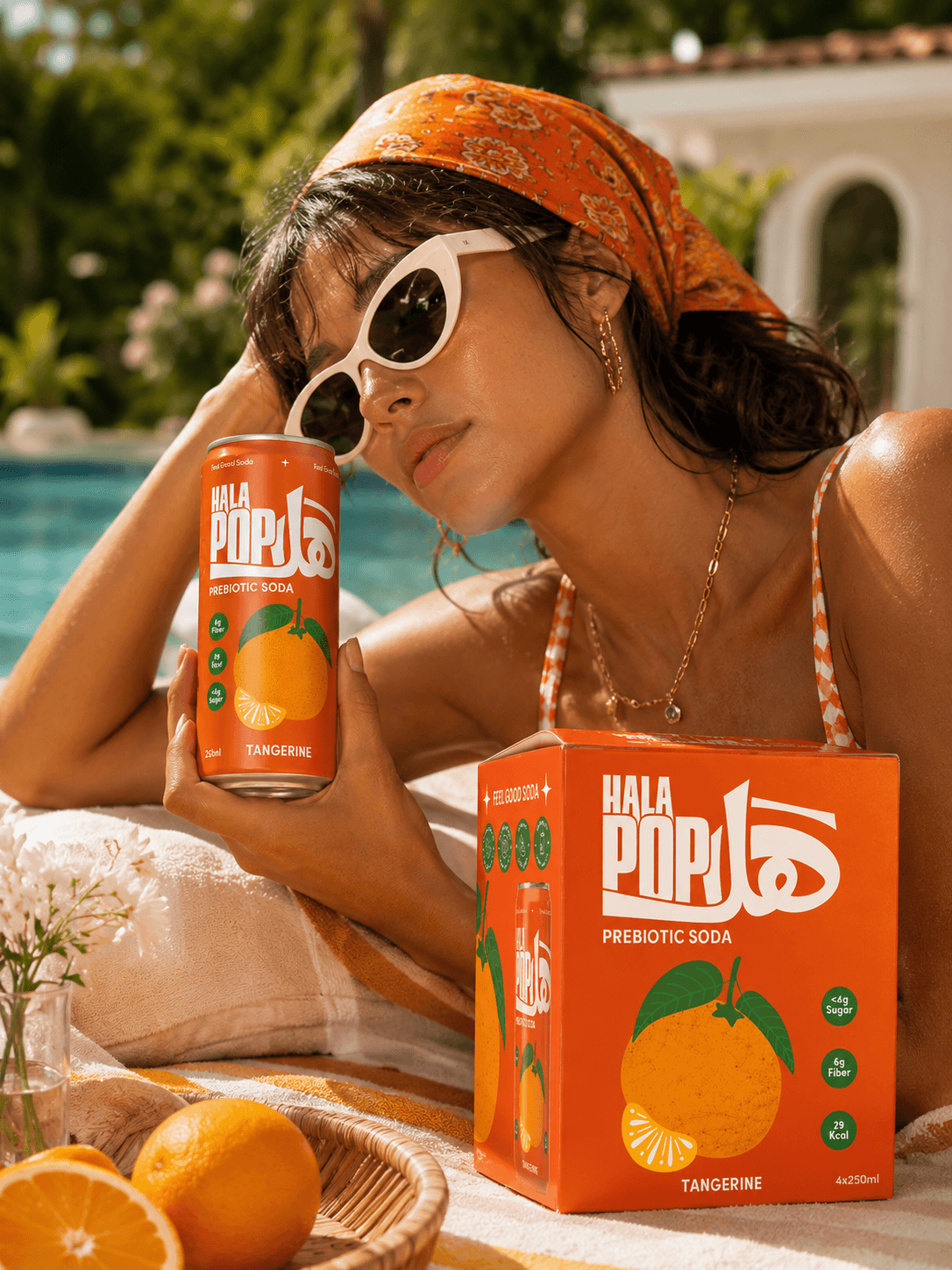
But the bigger difference is cultural. We were not adapting a Western product for this market, we were building one that belongs here. Flavors like pomegranate, hibiscus, and tangerine come from our own heritage. Our recipes are built light and crisp for this climate, not heavy and syrupy. That is something a brand parachuting in from abroad simply cannot fake. Being first and being local was harder, but it is also our biggest advantage. You cannot import Arab culture into a can. You have to build it here.