
Dubai’s New Healthspan Clinic Wants to Change How We Age
Dubai’s new OMICS Precision Health clinic is introducing the GCC’s first integrated healthspan medicine model, combining translational geroscience, advanced diagnostics, and personalised care to shift healthcare from reactive treatment to proactive longevity. Focused on prevention, resilience, and healthy aging, the clinic reflects the growing demand for science-led wellness and evidence-based longevity solutions.

For decades, modern healthcare has largely focused on one thing: treating illness once it appears, but a quiet revolution is beginning to reshape that model, one that asks a far more ambitious question. What if we could detect decline before symptoms emerge, slow the biological processes linked to aging, and extend not just lifespan, but healthspan? In Dubai, that future is already taking shape.
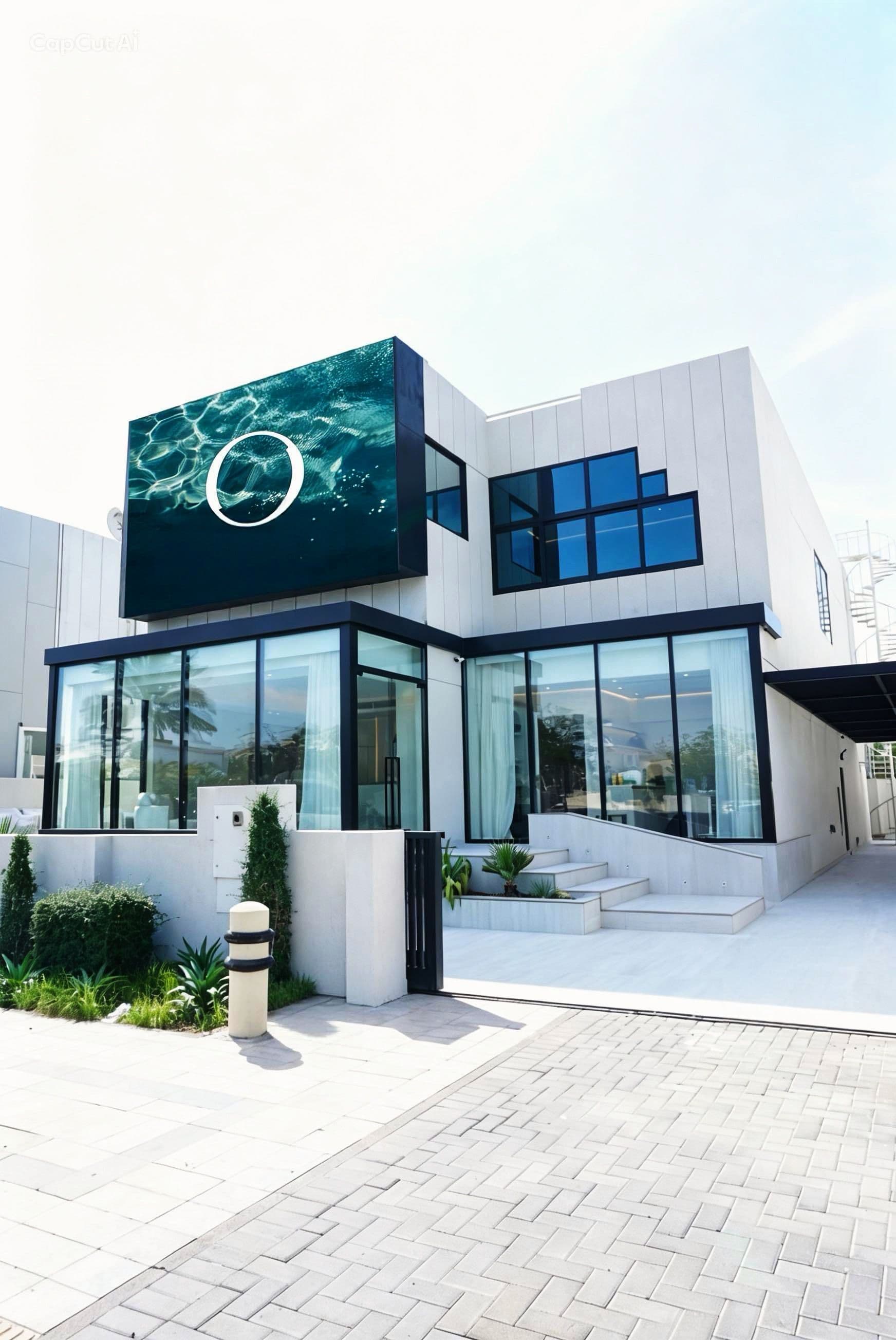
OMICS Precision Health, launched in Jumeirah 3, is introducing what it describes as the GCC’s first integrated healthspan medicine clinic, bringing translational geroscience into the mainstream wellness conversation. While longevity has become one of the fastest-growing sectors in global wellness, often dominated by trends, supplements and expensive biohacking experiments, OMICS is positioning itself differently: medically governed, science-led, and deeply data-driven.
At its core is a simple but increasingly urgent idea, aging is not merely something that happens to us. It is a biological process that can be measured, monitored, and potentially influenced long before disease appears.
From reactive healthcare to preventive longevity
The global wellness industry has spent years glamorising optimisation. Ice baths, IV drips, red-light therapy, wearable trackers and endless supplements have flooded social media feeds, promising better energy, sharper cognition and longer life, but beneath the noise lies a growing frustration: many people still feel exhausted, inflamed and overwhelmed by contradictory advice.
That’s precisely the gap OMICS aims to address. Rather than offering quick fixes or trend-led treatments, the clinic focuses on translational geroscience, a field dedicated to transforming scientific discoveries about aging into practical medical interventions designed to preserve long-term function and resilience.
In other words, this is not about looking younger, but staying healthier for longer. Modern aging research increasingly shows that chronic inflammation, metabolic dysfunction, vascular decline, hormonal imbalance and impaired cellular repair are deeply interconnected. These processes quietly evolve over years, often long before traditional medicine identifies a problem. By the time symptoms appear, the body may already be under significant strain. Healthspan medicine attempts to intervene earlier.
“At OMICS, the focus is not simply lifespan, but the years people live in good health,” explains Managing Director Astrid Montalta. “People are becoming increasingly proactive about wanting to preserve energy, independence, cognition and physical function as they age.”
It’s a philosophy that reflects a much broader cultural shift. Wellness is no longer only about aesthetics or fitness. Increasingly, it’s about longevity, vitality and quality of life.
The rise of biological age
One of the most fascinating aspects of this new generation of wellness clinics is the move away from chronological age as the primary marker of health.
Two people may both be 45 years old, yet biologically, their bodies can function very differently depending on factors such as inflammation, stress, sleep, cardiovascular health, hormones, nutrition and genetics. This is where OMICS leans heavily into advanced diagnostics.
Patients undergo structured assessments that analyse more than 400 biomarkers alongside genetic, microbiome, metabolic and neurocognitive data. Advanced imaging and longitudinal monitoring are then used to track how the body changes over time. The result is a highly individualised picture of aging and resilience.
Instead of waiting for disease to emerge, clinicians look for subtle signs of dysfunction years earlier: changes in metabolic regulation, vascular health, cognitive performance or inflammatory patterns that may indicate elevated future risk.
What makes this particularly compelling is the clinic’s emphasis on continuous oversight rather than one-off interventions. Care plans evolve based on measurable biological responses, allowing treatments and lifestyle strategies to adapt over time. It’s healthcare as an ongoing relationship, not a reactive emergency service.
Wellness meets medical science
The word “wellness” has become increasingly blurred in recent years, often associated with trends lacking scientific grounding. OMICS represents part of a growing movement attempting to bridge the divide between luxury wellness culture and evidence-based medicine.
The clinic brings together physicians, scientists and allied health professionals under one multidisciplinary model, including experts in functional medicine, neuropsychology, osteopathy, nutrition, regenerative aesthetics and lifestyle medicine. Programs span areas including cardiometabolic health, neurocognitive resilience, hormonal balance, early cancer risk assessment and performance optimisation.
Importantly, OMICS stresses that interventions remain medically supervised and clinically governed, with safety and evidence sitting at the centre of decision-making. That distinction matters.
As longevity becomes increasingly commercialised globally, the challenge for consumers is separating credible science from expensive experimentation. Clinics like OMICS suggest the next phase of wellness may look less like a luxury trend and more like a sophisticated evolution of preventive healthcare itself.
Why Dubai is becoming a longevity hub
Dubai’s emergence as a wellness and longevity destination feels almost inevitable. The city has spent years investing heavily in innovation, healthcare infrastructure and future-focused industries, while simultaneously cultivating a culture deeply interested in performance, optimization and quality of life.
The GCC is also seeing rising demand for proactive healthcare as populations become increasingly aware of the long-term impact of stress, burnout, metabolic disease and lifestyle-related illness. In many ways, longevity medicine aligns perfectly with the region’s broader ambitions: science-driven, innovation-led and focused on future living, but perhaps what’s most interesting is the emotional shift behind it all.
For years, conversations around aging centred largely around appearance. Today, the focus is becoming far more holistic. People want sustained energy, mental clarity, mobility, better sleep, emotional resilience, the ability to remain active, independent and engaged for decades longer.
Not simply living longer, but better, and that may ultimately be the real promise of healthspan medicine. Not immortality, but a more intentional relationship with how we age.