
Discover the App Bringing Emotional Support into Everyday Life
As wellness evolves beyond fitness and aesthetics, AI-powered platform Farha is exploring a more emotionally intelligent approach to self-care. Founded in the UAE, the app combines technology, habit-building and real-time emotional support to create a private, accessible space for reflection, resilience and personal growth in an increasingly overwhelmed digital world.

There was a time when wellness was synonymous with activities such as an escape, a spa weekend, a yoga retreat, a digital detox somewhere far away from the noise of daily life, but increasingly, wellness is becoming less about disconnecting from the world and more about learning how to navigate it better.
Nowhere is that shift more visible than in the rise of emotionally intelligent technology. In a region known for ambition, hyper-connectivity and relentless pace, a new generation of wellness platforms is emerging, one that understands modern burnout is not simply physical. It is emotional, mental and deeply tied to the way we live, work and interact every day. Enter Farha, a newly launched UAE-born wellness app that is quietly redefining what support can look like in the digital age.
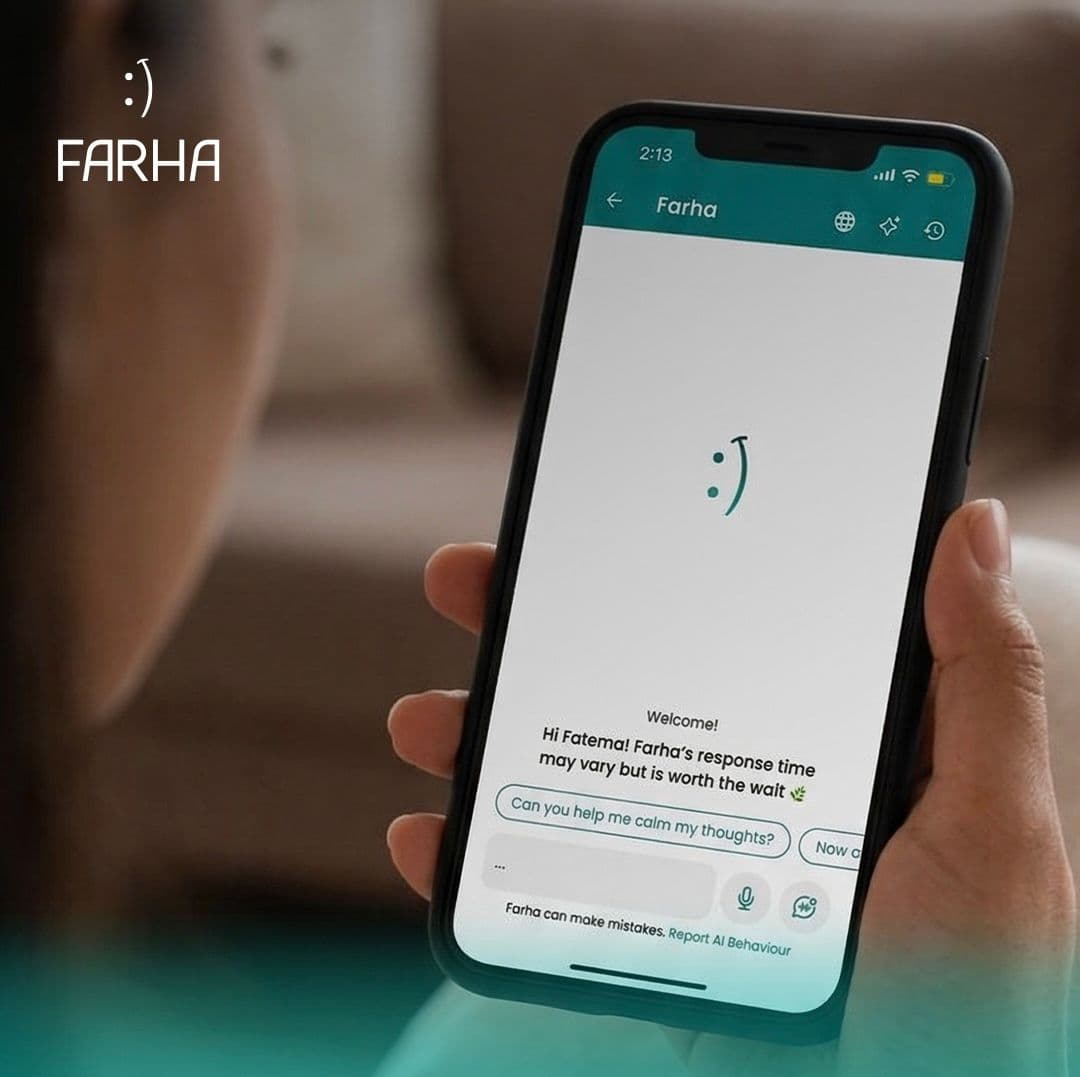
At first glance, the concept feels futuristic: an AI-powered wellness companion available 24/7 through voice or text, but beneath the technology, there is something far more human. Farha is not trying to replace therapy, friendship or real-world connection. Instead, it is responding to a growing reality many people are beginning to acknowledge more openly, that modern life often leaves little room to process emotions, reflect or simply pause.
The result is a platform that feels less like a productivity tool and more like a private space for self-awareness.
Founded by Sherif El-Leissy, Farha was born from personal experience rather than Silicon Valley disruption culture. After years working in banking, he experienced firsthand the pressure and emotional exhaustion that often sit behind outward success. His transition from finance into wellness reflects a broader cultural conversation happening across the Gulf, where traditional definitions of achievement are beginning to evolve.
For decades, success in the region was largely measured through career progression, status and financial growth. Increasingly, however, conversations around wellbeing, emotional health and balance are moving into the mainstream. The shift is subtle but significant. People are no longer only asking how to succeed, but also how to sustain themselves while doing so.
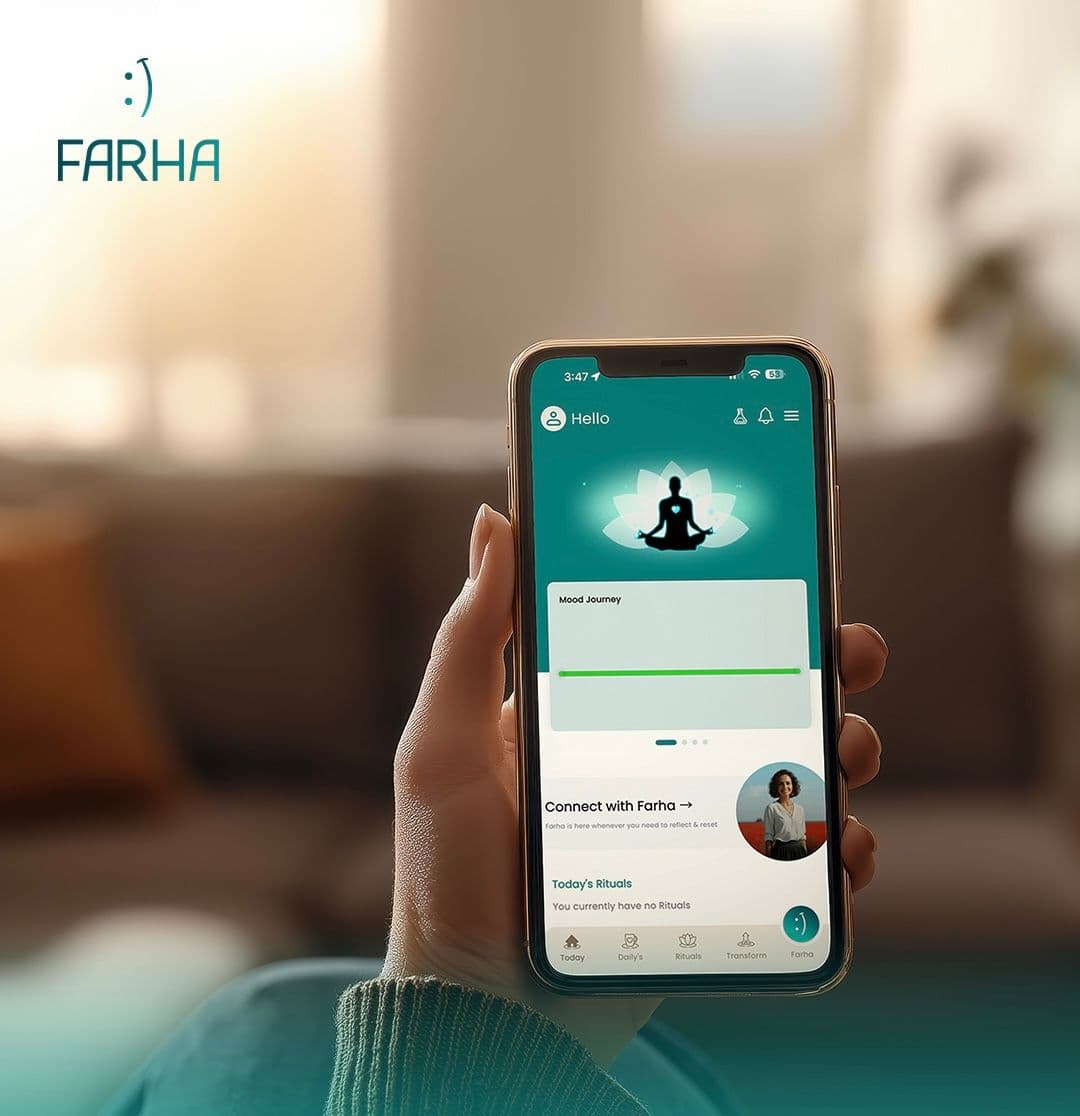
Farha arrives at a particularly relevant moment. The GCC continues to undergo rapid transformation socially, economically and technologically. While opportunity has expanded enormously, so too has pressure. Long working hours, constant digital stimulation and the expectation to always be “on” have created a generation that is more connected than ever, yet often emotionally overwhelmed.
Despite growing awareness around mental health, accessibility remains a challenge. Coaching, therapy and wellness programmes can still feel financially out of reach for many people, while stigma around seeking support continues to exist quietly beneath the surface.
This is where platforms like Farha become interesting, not because they claim to solve emotional wellbeing entirely, but because they lower the barriers to beginning the conversation.
Privacy is central to the experience. Users can engage anonymously, without fear of judgment or visibility. The app’s AI-powered life coach adapts to individual goals, behaviours and emotional patterns over time, creating a more personalised form of support that evolves alongside the user. There is also a growing emphasis on consistency rather than intensity. Instead of dramatic transformation, Farha focuses on small daily rituals designed to build sustainable habits slowly and realistically.
That approach reflects a larger movement happening across the wellness industry itself. For years, wellness was often marketed through perfection: perfect routines, perfect bodies, perfect morning rituals. Today, consumers are becoming far more interested in something else entirely: emotional resilience, sustainability, nervous system regulation and simplicity.
The future of wellness appears less performative and more personal, and technology is evolving alongside that shift. Artificial intelligence is already reshaping industries from healthcare to education, but wellness may become one of its most quietly transformative spaces. Not because AI can replace human empathy, but because it can increase accessibility, consistency and immediacy in ways traditional systems often cannot. For someone struggling at 2am with stress, anxiety or emotional overwhelm, immediate support matters.
The question, of course, is whether technology can truly feel emotionally intelligent. Farha’s answer seems to be that emotional intelligence is not about pretending AI is human. It is about designing technology that supports more human ways of living.
That’s why the platform resonates particularly well within the UAE’s evolving wellness landscape. The region has rapidly positioned itself at the intersection of luxury, innovation and future-focused living, but increasingly there is also a desire for meaning beneath the surface of modernity. Wellness is no longer just about optimisation, but about emotional sustainability.
In many ways, Farha represents where the next chapter of wellness may be heading globally: deeply personalised, emotionally aware and integrated into everyday life rather than reserved for occasional moments of crisis or escape.
Ultimately, the future of wellbeing may not lie in disconnecting from technology altogether, but in creating technology that helps us reconnect with ourselves.