
Designing for Longevity: Why Your Home Could Be Your Most Powerful Wellness Tool
Could your home be influencing how well you sleep, think and age? In this exclusive interview, Derya Aktan, Founder of Deline Conceptual, explores how longevity-focused design is transforming architecture by prioritising wellbeing, from circadian lighting and air quality to healthier materials and mindful spaces that support long-term physical and mental health.

When we think about living a longer, healthier life, our minds naturally turn to nutrition, exercise, sleep and preventive healthcare, but one of the most influential factors in our daily wellbeing is often overlooked: the spaces we spend most of our lives in.
From the quality of the air we breathe and the light that wakes us each morning to the materials that surround us and the way our homes are laid out, our environment has a profound impact on our physical health, mental wellbeing and even how we age.
As the global conversation around longevity continues to evolve, architecture and interior design are emerging as powerful tools for preventive wellness. Rather than focusing solely on aesthetics, a new generation of designers is creating homes that actively support better sleep, reduce stress, improve cognitive performance and encourage healthier daily habits. It's an approach that recognises our homes are far more than places to live, they are environments that can either work with our biology or quietly work against it.
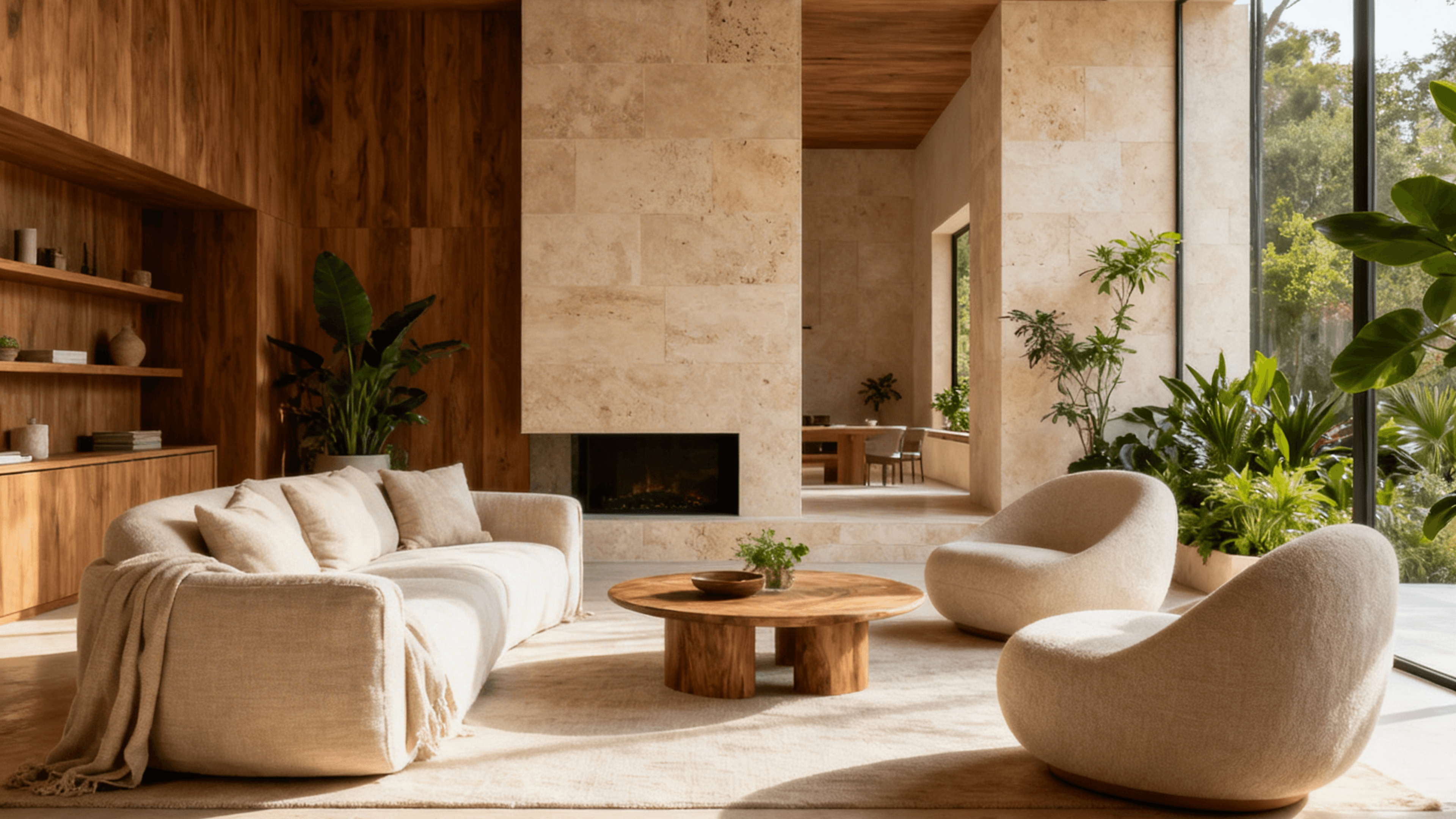
At the forefront of this movement is Derya Aktan, Founder of Deline Conceptual and creator of The Longevity Design Method, a science-informed design philosophy that combines architecture, neuroscience and environmental wellbeing to create healthier, more restorative spaces. In this exclusive interview with The Wellness Collective, she explains why longevity begins at home, the everyday design choices that could be impacting your wellbeing without you realising it, and the simple, accessible changes anyone can make to transform their home into a space that supports both body and mind for years to come.
The term "longevity design" is gaining attention globally. How do you define it, and why do you believe it represents the future of architecture and interiors?
Longevity Design Method is the practice of creating spaces that actively support human health, wellbeing and quality of life over time. It is not only about designing beautiful interiors; it is about designing environments that help people live, rest, recover and function better every day.
It goes beyond aesthetics and function, looking at how light, air quality, acoustics, materials and spatial planning affect the body and mind. I believe it represents the future of architecture and interiors because design can no longer be only about how a space looks. As preventive health becomes more important globally, our homes, workplaces and hospitality environments need to become part of a healthier way of living.
You've said that we spend nearly 90% of our lives indoors. What are some of the biggest design mistakes you see in homes and workplaces that may be negatively impacting our health and wellbeing?
The biggest mistake is treating interiors as visual compositions rather than living environments. Many spaces are designed primarily for visual impact, without considering how they affect the body.
Poor natural light, excessive artificial lighting, bad air quality, high noise levels, visual clutter and synthetic materials can all influence stress, sleep, focus and overall wellbeing. These factors may seem small individually, but because we are exposed to them every day, their impact becomes significant over time.
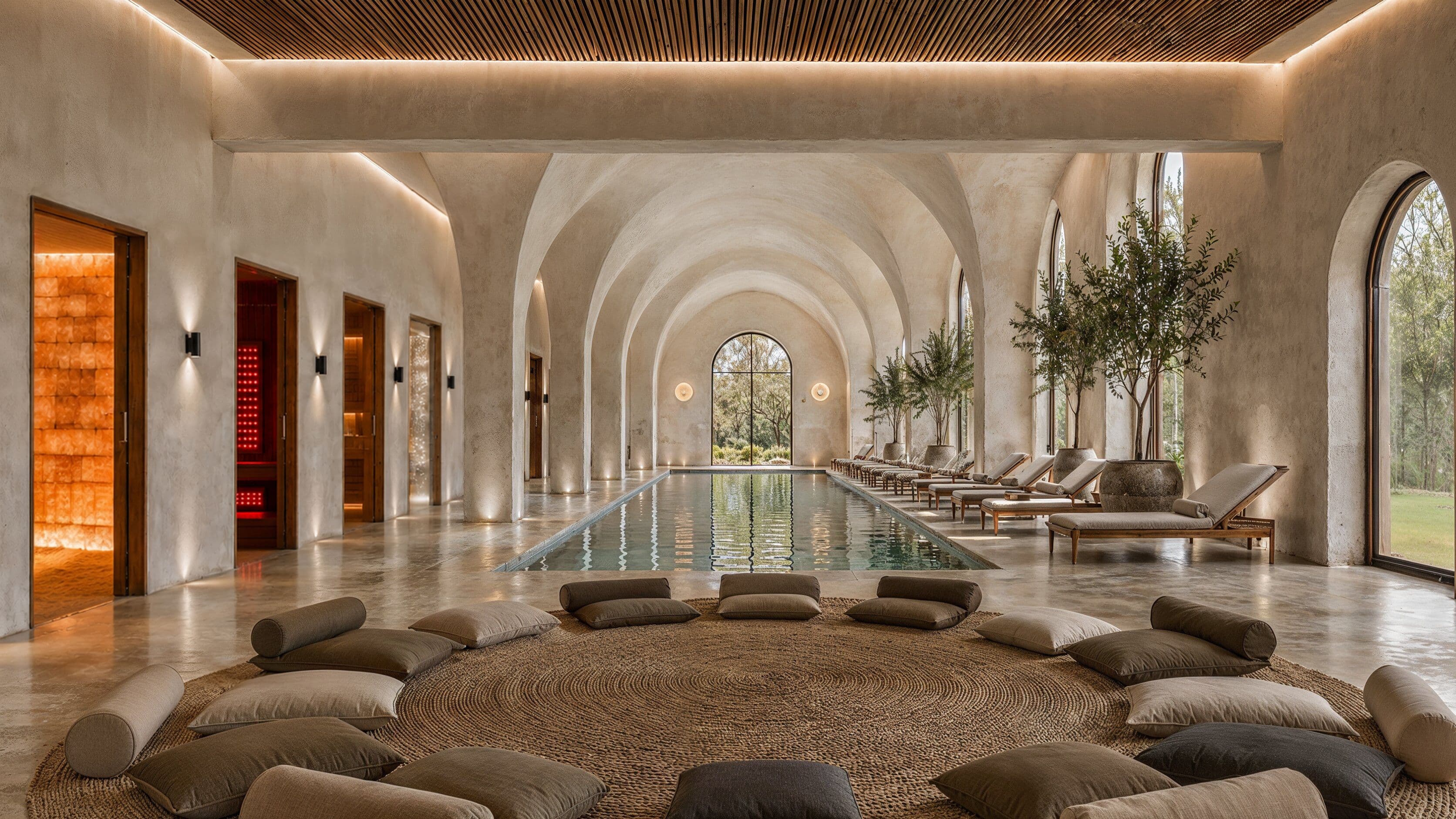
Your Longevity Design Method combines architecture with neuroscience and environmental wellbeing. How did this philosophy evolve, and what inspired you to create it?
After years of working in architecture and interiors, I became increasingly interested in why certain spaces make us feel calm, focused and restored, while others make us feel tired or uncomfortable, even when they are visually beautiful.
That question led me to explore neuroscience, environmental psychology and wellness-focused design. The Longevity Design Method evolved from the idea that architecture should not only serve lifestyle, but also support the biological and emotional needs of the people living in it.
Sleep is one of the pillars of longevity. What role can interior design play in improving sleep quality, and what changes can people make at home immediately?
Interior design can have a major impact on sleep because the bedroom environment directly affects how easily the body can relax and regulate its natural rhythm.
Simple changes can make a difference immediately: reducing evening light exposure, using warmer lighting at night, improving air circulation, keeping the bedroom cooler, choosing calming colors and removing unnecessary visual clutter. Good sleep is not only about the bed; it is about the entire atmosphere around it.
Circadian lighting is a key component of your methodology. Why is light so influential on our physical and mental health, and how can people better align their homes with their natural biological rhythms?
Light is one of the strongest signals for the human body. It influences our circadian rhythm, energy levels, mood, focus and sleep quality.
At home, people can support their natural biological rhythms by maximizing natural daylight during the day and using softer, warmer and lower-intensity lighting in the evening. The goal is to create a gradual transition from alertness to rest, instead of exposing the body to the same type of light from morning to night.
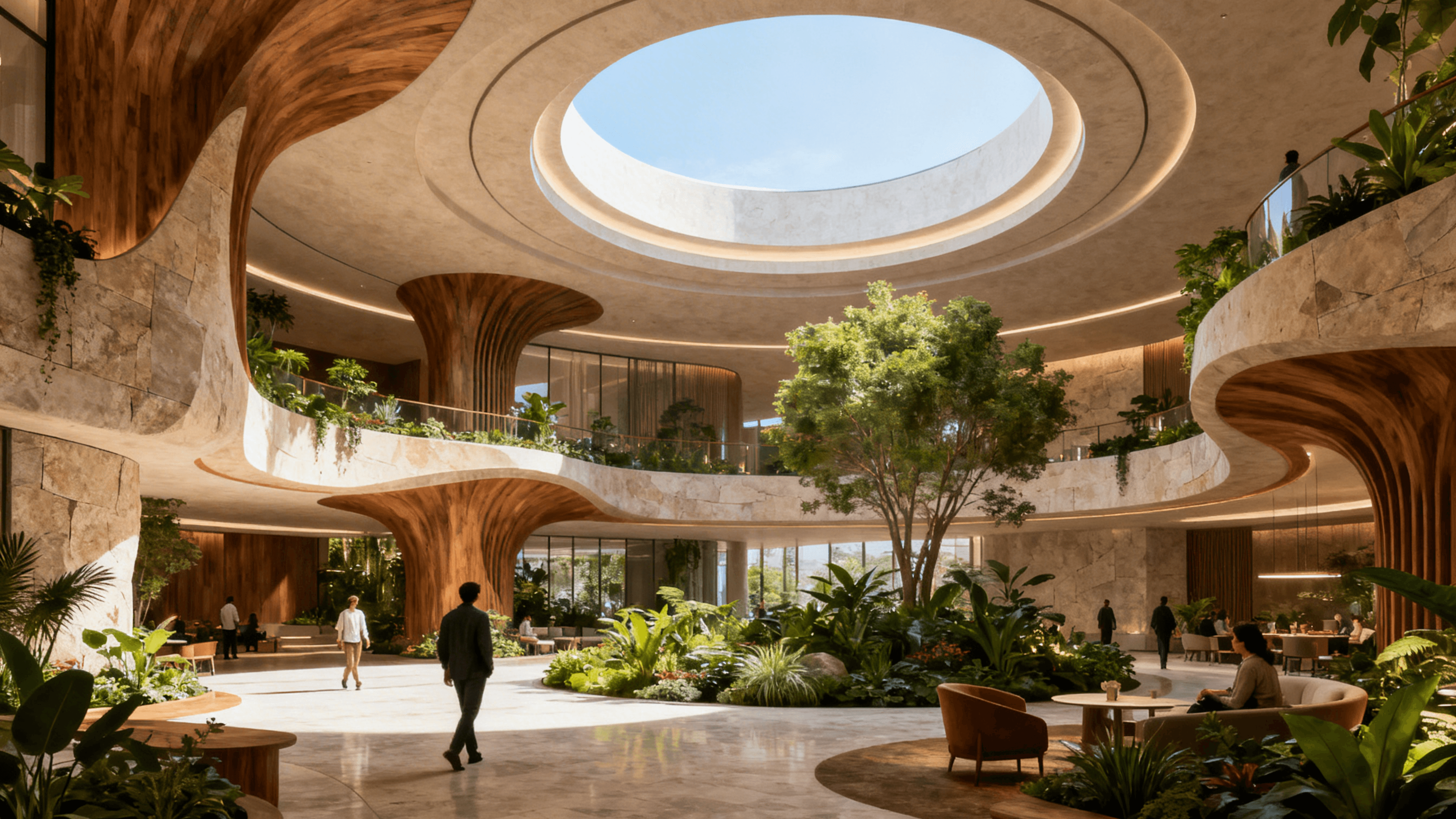
Wellness-focused design is often associated with luxury. Do you believe longevity architecture should be accessible to everyone, and what are some affordable ways people can create healthier living environments?
Yes, absolutely. Longevity architecture should not be seen as a luxury; it should become a standard. A healthy home should not be a privilege; it should be the new foundation of good design.
A healthier living environment can begin with very simple decisions: bringing in more natural light, improving ventilation, reducing clutter, choosing low-toxicity materials, adding natural textures, using plants and creating quieter corners for rest. Longevity Design is not always about expensive products. It is about making more conscious choices.
How do factors such as air quality, acoustics and material selection influence stress levels and overall wellbeing, even when we're not consciously aware of them?
Our nervous system is constantly responding to the spaces around us, even before we consciously notice it.
Air quality, acoustics and materials are silent stressors or silent supporters, depending on how they are designed. Poor air quality can affect energy and concentration. Constant noise can keep the body in a state of stress. Certain materials may release chemicals into the indoor environment. On the other hand, better acoustics, cleaner air and healthier materials can help a space feel calmer, safer and more restorative.
This is why design should be understood not only visually, but also biologically.
Dubai is becoming a global hub for longevity and preventive health. How do you see architecture contributing to this movement, and how might our homes evolve over the next decade as a result?
Dubai’s focus on longevity and preventive health shows that wellbeing is becoming a priority across many industries, not only medicine.
Architecture has a very important role in this movement because buildings shape our everyday habits, recovery, stress levels and quality of life. Over the next decade, I believe homes will become more intelligent and health-conscious, with better indoor air quality, circadian lighting, non-toxic materials, biophilic design and spaces that actively support rest, movement and mental wellbeing.
Are younger generations approaching design differently when it comes to wellness and longevity? What trends are you seeing among clients today compared to ten years ago?
Yes, there is a clear shift. Ten years ago, many clients were mainly focused on how a space looked. Today, they are also asking how it feels and how it supports their lifestyle.
Younger generations are more aware of mental wellbeing, sustainability, indoor air quality, natural materials and the emotional effect of interiors. They want spaces that are beautiful, but also healthier, calmer and more aligned with the way they want to live.
If you could give our readers one piece of advice for creating a healthier, more longevity-focused home, where should they start and why?
Start by observing how your home makes you feel.
Ask yourself: Do I sleep well here? Do I feel calm or overstimulated? Can I focus? Do I feel restored when I come home?
Longevity Design begins with awareness. Once you understand how your environment affects your body and mind, every design decision becomes an opportunity to improve your daily wellbeing. A healthier home begins with awareness, not renovation.