
Built Around the Body's Clock: The Circadia Philosophy
Most skincare brands ask you to trust the label. Circadia asks you to trust the biology. Built on the science of chronobiology, the study of how the body's natural rhythms govern everything from sleep to cellular repair, Circadia operates on a simple but radical premise: that skin already knows what it needs, and at what time. Made in the USA and backed by over 50 years of skin physiology research, the brand has spent decades quietly building credibility with professionals rather than chasing consumers. We sat down with Jitin Jaggi, Managing Director for the SAMENA region, to understand what that philosophy looks like in practice and why it matters more than ever.

1. You came from a background in retail and consumer goods before pivoting into professional skincare. What was the moment that made you walk away from a comfortable, established path and bet on something as niche as professional-grade skincare in the SAMENA region?
The aesthetic market in the region has been steadily growing and is poised to make another major leap in the next few years as the average consumer gets more conscious about skin health and general longevity. This was the perfect time to bring in a brand like Circadia which has established its credibility in its home market and becomes a perfect complement to the practices of aesthetic professionals in the region. The principles the brand holds dear - education and science backed results, were perfect for filling the gap in the region.
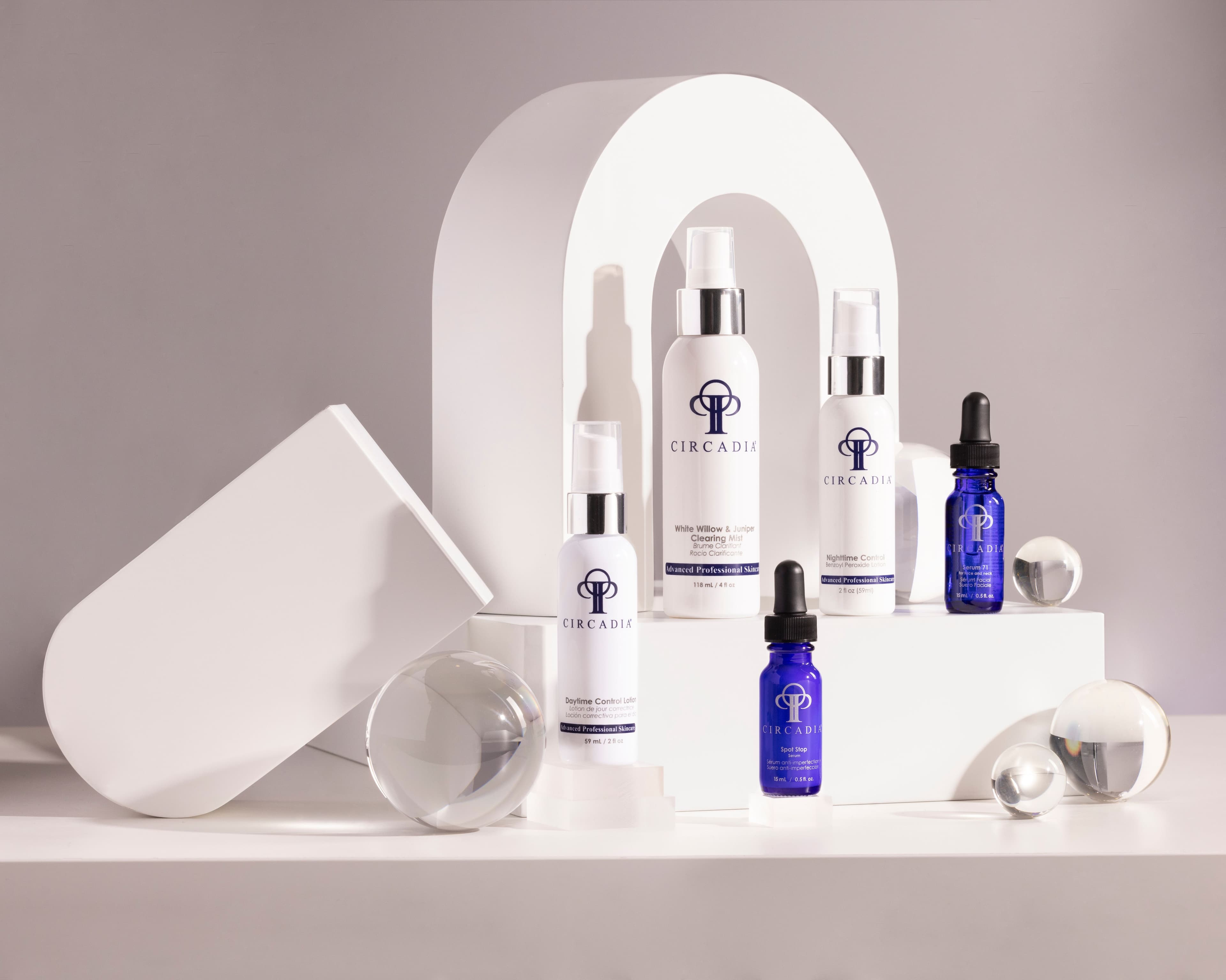
2. At the core of Circadia is chronobiology: the science of defending the skin from environmental damage during the day and stimulating internal repair mechanisms during sleep. For someone who has never heard this term before, how would you explain why this approach produces results that conventional skincare brands simply can't match?
In simple terms, Circadia is built around the idea that skin behaves differently during the day and at night. During the day, it’s focused on protection against pollution, UV exposure, and environmental stress. At night, it naturally shifts into repair and recovery mode. What makes this approach effective is that instead of trying to do everything at once, you’re supporting the skin in what it is already biologically designed to do at different times. That’s where you tend to see more consistent, long-term results.
3. Circadia exclusively sells to licensed estheticians, not directly to the general public and has built its entire model around empowering skincare professionals to grow their businesses. In an era where DTC brands and skincare influencers are bypassing professionals entirely, why do you believe so strongly in keeping the esthetician at the center of the skincare experience?
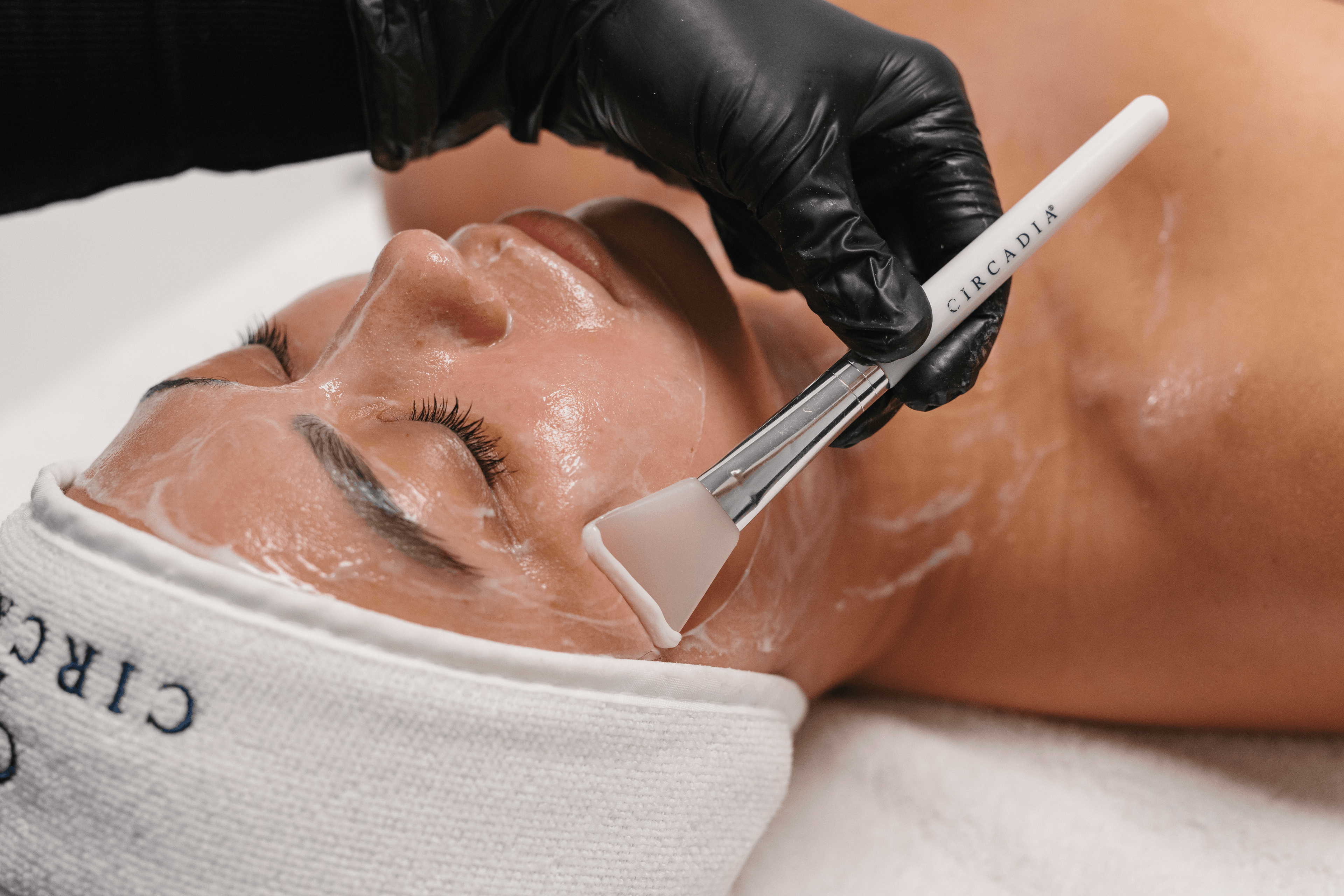
We’ve always believed the aesthetician is central to skincare outcomes. They’re the ones working directly with the client, understanding the skin in real time, and adapting treatments where needed.
In a world where so much skincare is sold directly to consumers, something important gets lost: the expertise that actually guides results. Our model is built to support professionals, not bypass them. When the practitioner is empowered, the client ultimately benefits more.
4. When you start a skincare business, people question why you'd enter a space that already feels so saturated. What is your honest answer to that? What did you see in the SAMENA market that others had either missed or underestimated and has the reality matched that vision?
It’s fair to say skincare is a crowded space, but most of that crowd is focused on consumer retail, not professional environments. What we saw in the SAMENA region was a growing, highly skilled community of aestheticians who were looking for stronger education, better systems, and more structured support from brands.
So rather than competing in a saturated retail space, the opportunity was really in strengthening the professional side of the industry. And in many ways, that demand has grown even faster than expected.
5. When launching Circadia in Kenya, you spoke about the importance of championing professionals who serve melanin-rich skin tones, a skin type that has historically been underserved by the global skincare industry. Why has this been such a consistent blind spot in professional skincare, and what does Circadia do differently to address it?
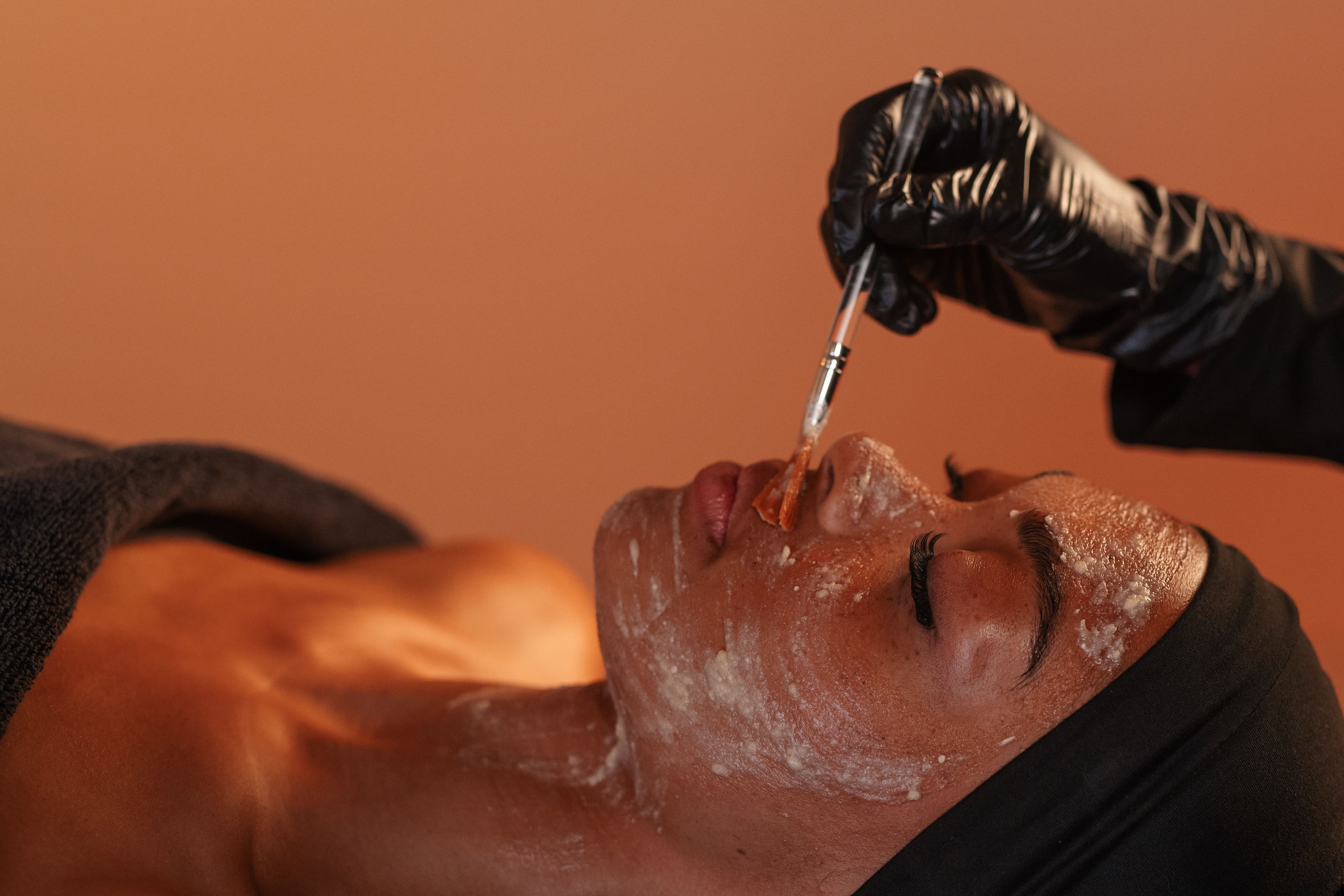
Historically, a lot of skincare development has been based on a narrow skin profile, which doesn’t reflect global diversity. Melanin-rich skin behaves differently in certain respects, for example, how it responds to inflammation or pigmentation.
For a long time, that simply wasn’t properly accounted for in product development or training.
What we’ve focused on is building education and protocols that allow professionals to understand these differences more clearly, so they can treat a wider range of skin types with confidence and consistency.
6. You've spoken publicly about men's skin being naturally thicker, oilier, and more reactive and the particular damage caused by frequent shaving combined with extreme heat, calling it a "double whammy" for men in the UAE. How do you approach the cultural resistance many men still have toward skincare, and what do you say to someone who thinks professional skincare treatments are not for them?
With male clients, the biggest barrier is rarely the skin itself, it’s perception. Many men don’t initially see skincare as something relevant to them. In regions like the UAE, you also have environmental factors like heat, sun exposure, and shaving habits that make skincare even more important, even if it’s not always recognised that way. The approach that works best is not overcomplicating it. When men understand the practical benefit (clearer skin, easier maintenance, fewer recurring issues) they tend to engage very quickly. It’s about making it simple, relevant, and results-focused.
7. Circadia has invested heavily in education through Circadia University, offering free video training, professional certifications, and resources specifically designed to help estheticians become stronger business people not just better technicians. Why do you believe education is ultimately more important than the product itself in building a lasting skincare brand?
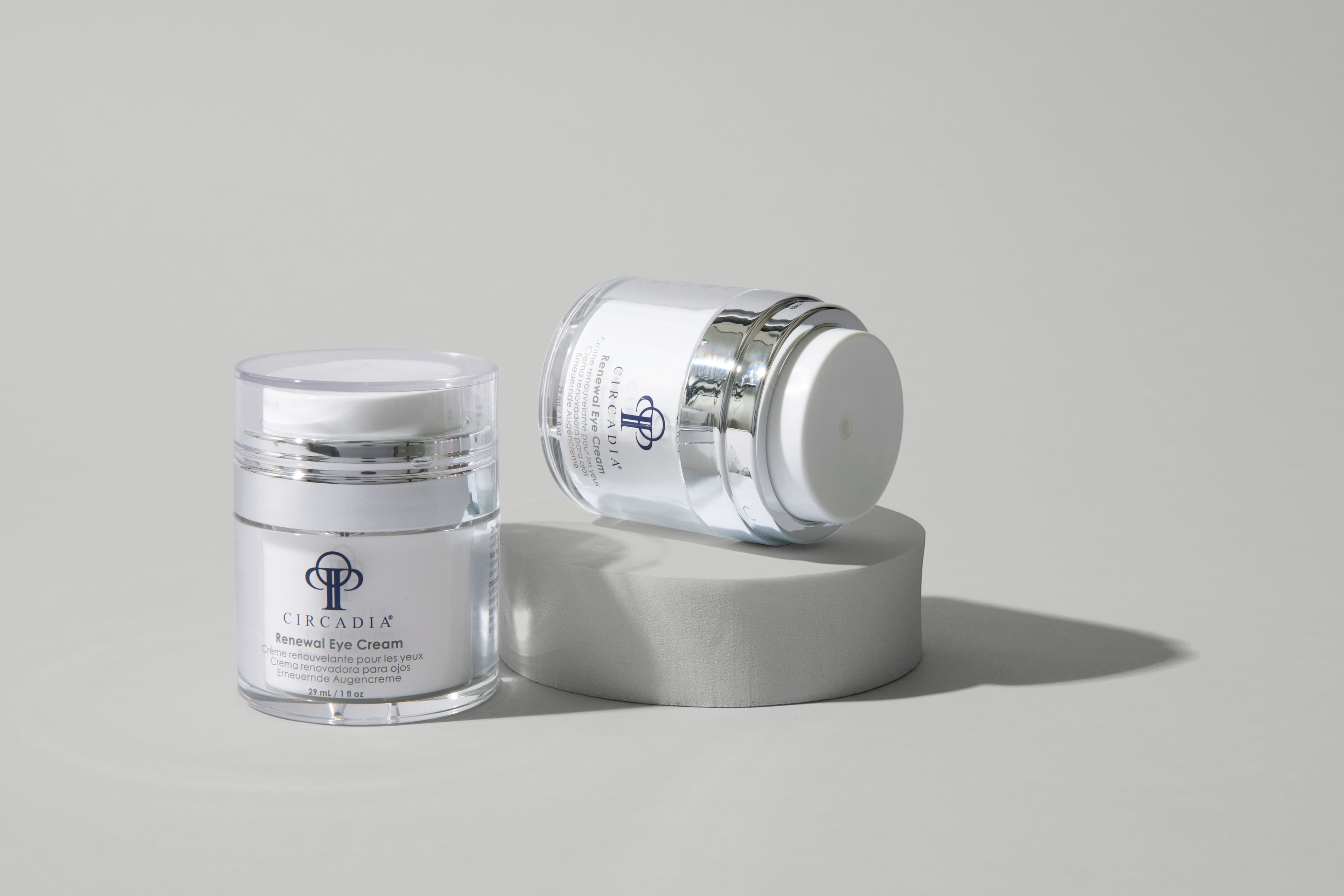
Products are important, but they only work properly when they’re understood and used correctly. We’ve always believed education is what unlocks results, for both the professional and the client. If you give an aesthetician the right knowledge and confidence, they build trust and long-term client relationships. That’s what ultimately sustains a brand in professional skincare.
8. You operate at the intersection of science, business, and skin health, a space where wellness is the underlying promise behind every product and treatment. In your own life, how do you define wellness, and what does your personal routine look like? Do you practice what Circadia preaches?
For me, wellness is quite simple. It’s consistency. It’s not extremes, it’s balance. It’s about taking care of yourself in a way that is realistic, not complicated. That applies to sleep, stress, environment, and routines that you can actually maintain long-term. And yes, I do try to follow that same philosophy in my own routine. Nothing overly elaborate, just consistent habits that support how you feel and function day to day.