
Beyond the Scalpel: How a Harley Street Surgeon Is Redefining Eye Care for Every Skin Tone
Long before Dr. Sabrina became a skincare brand, it was a question asked in thousands of consultation rooms: why isn't there anything designed specifically for this? As an award-winning oculoplastic surgeon on London's Harley Street, Dr. Sabrina spent over two decades studying the most delicate area of the face, the skin around the eyes, and watching patients search in vain for products that actually understood it. That clinical frustration, paired with a deep commitment to formulating for every skin tone, eventually became the foundation of her namesake brand and its patent-pending Kiara Molecule. In this conversation, Dr. Sabrina talks us through the gap she saw in the market, why she believes wellness and medicine don't have to sit in separate worlds, and what she hopes the next decade of periorbital care will look like.

1. You've built an impressive career as an award-winning oculoplastic surgeon on Harley Street. At what point did you realise that your surgical expertise could translate into something beyond the clinic, and what was the very first spark that made you think, "I need to create a product"?
It wasn't one defining moment—it happened gradually over thousands of patient consultations.
Patients would come to me wanting a magic cure for their common eye problems, but many weren't actually ready for invasive treatments. What they really wanted was healthier-looking skin around the eyes. I'd recommend products, but I was never completely happy with what was available because most skincare isn't designed specifically for the eyelid and under-eye area.
After more than twenty years of treating that part of the face every single day, I realised I understood the anatomy, ageing process and skin biology in a way that very few people do. I thought, rather than trying to adapt existing skincare, why not create something from the ground up based on clinical science?
That was really the beginning of Dr. Sabrina periorbital skin care.
2. As a specialist in the periorbital area, the skin around the eyes, you noticed a real lack of science-backed solutions on the market. What were your patients asking for that simply didn't exist, and how did that clinical frustration become the blueprint for the Dr. Sabrina brand?
The biggest frustration was pigmentation.
People would come in saying, "I've tried everything." They'd bought expensive creams, they'd followed beauty advice online, and very little had made a meaningful difference.
The problem is that dark circles aren't one condition. They can be caused by pigment, hollowing, vascular changes, skin quality or a combination of all of those factors. Yet many products treat every patient exactly the same.
I wanted to develop formulations that reflected what I actually see in clinic every day. Every ingredient had to have a purpose. Nothing was included simply because it was fashionable. The brand has always been built around solving real clinical problems rather than chasing skincare trends.
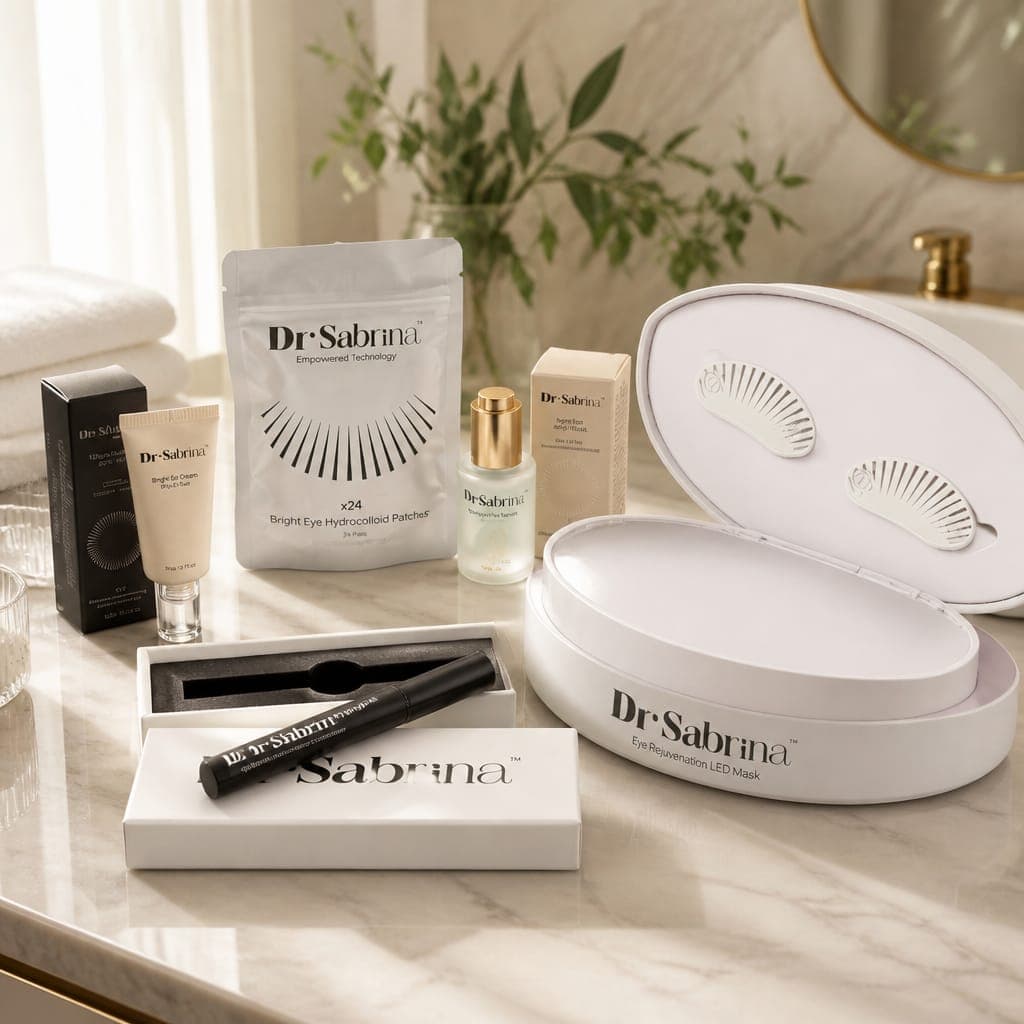
3. Dr. Sabrina sits in a fascinating space: more powerful than standard cosmetics, but without the commitment or risks of full aesthetic surgery. How do you define that positioning to patients who are weighing up their options? And do you think the industry has been slow to acknowledge this "middle ground" as a legitimate category?
Absolutely.
People often think they only have two choices: buy a cosmetic cream or have surgery. In reality there's a huge spectrum in between.
Effective skincare, energy-based devices and regenerative treatments can genuinely improve skin quality and sometimes delay the need for surgery altogether.
I don't believe every patient needs an operation. As a surgeon, that's probably unusual to say, but it's true. If someone can achieve the improvement they're looking for without surgery, that's a good outcome.
I think the industry is finally recognising this middle ground, but patients have understood it for years. They want options that are evidence-based, effective and appropriate for where they are in their ageing journey.
4. Your flagship serum features the patent-pending Kiara Molecule, a blend you developed from over two decades of clinical research. Can you walk us through the thinking behind it? What does it do that conventional skincare ingredients simply can't, particularly for darker skin tones where under-eye pigmentation is often overlooked?
The thinking was actually very simple.
After seeing thousands of patients from different ethnic backgrounds, I realised that pigmentation around the eyes behaves differently depending on the underlying cause and skin type. Yet most products rely on one or two active ingredients and hope they'll work for everyone.
Kiara Molecule was designed to tackle several pathways involved in under-eye ageing and pigmentation at the same time, rather than focusing on a single mechanism.
From the beginning, inclusivity wasn't a marketing exercise—it was a clinical necessity. A significant proportion of my patients have darker skin tones, and many existing products simply weren't developed with them in mind.
As a doctor, you can't ignore that. You have to build products that reflect the patients you actually treat.
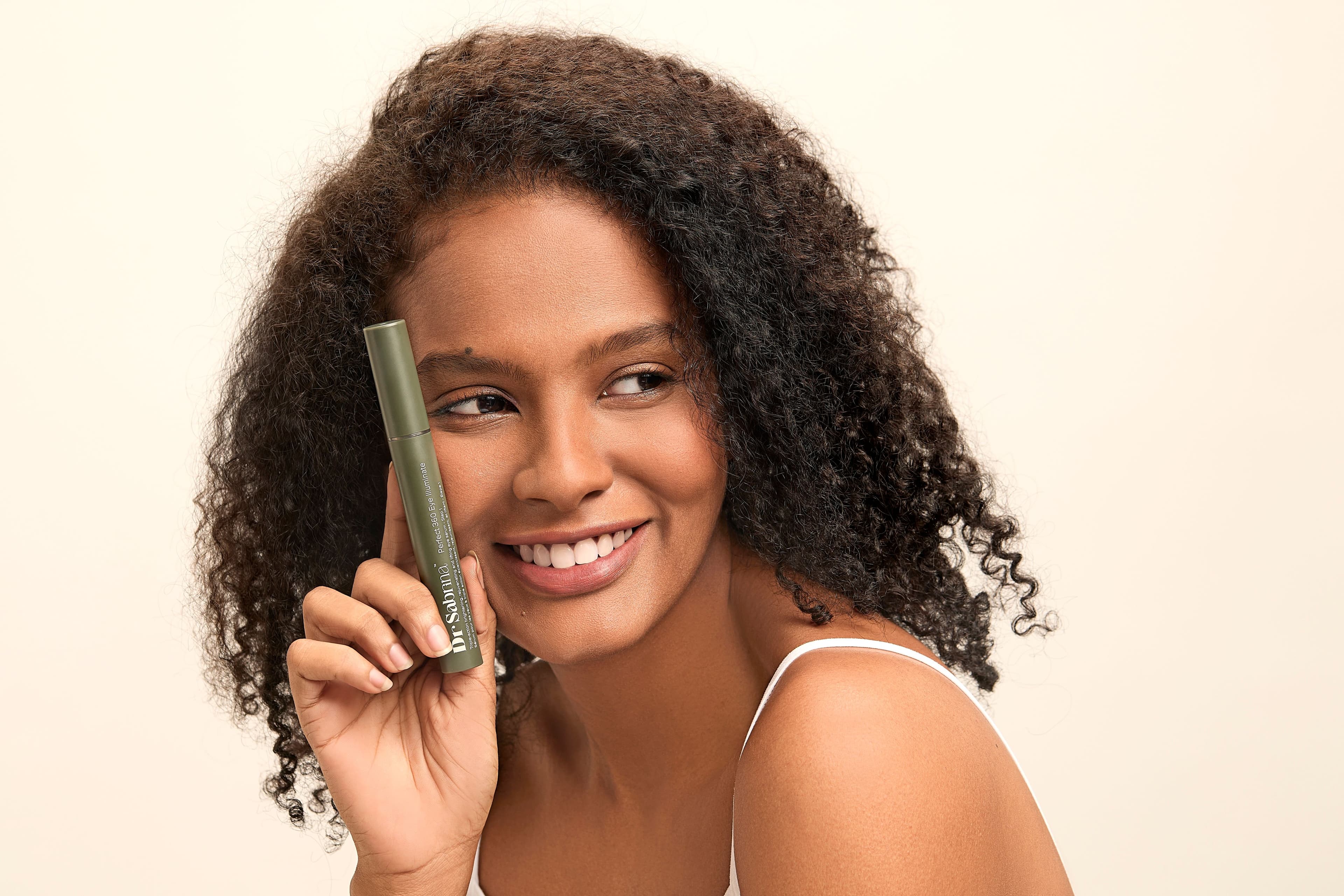
5. You still practice as a surgeon at your Harley Street clinics alongside running a skincare brand that ships globally. How do you navigate those two identities? Does one inform the other in ways that surprised you, and where do the worlds collide most productively?
They've never felt like separate identities.
I'm a clinician first. Every week I'm still seeing patients, operating and treating complications. That keeps me grounded because I'm constantly learning what patients need.
The skincare brand benefits enormously from that clinical feedback. Equally, developing products has made me think more deeply about prevention, skin health and long-term maintenance.
The two worlds feed each other.
I think that's one of the strengths of the brand. It isn't being developed in a boardroom—it's being developed in a clinic where I see real patients every day.
6. The beauty and skincare industry is full of "doctor-founded" brands, but not all carry the same depth of clinical rigour. How have you ensured that Dr. Sabrina stands apart, from the independent dermatological and ophthalmological testing to the formulation process, and how important is that proof to you personally?
It's incredibly important.
I work around the eyes, which is one of the most delicate areas of the body. I wasn't prepared to launch products that I wouldn't confidently recommend to my own patients after surgery.
Every formulation has gone through extensive development, independent safety testing and ophthalmological assessment because that's the standard I expect as a surgeon.
I also don't believe in launching dozens of products for the sake of it. I'd rather spend years developing one product properly than release something simply because the market expects another launch.
Clinical credibility takes years to build and seconds to lose.
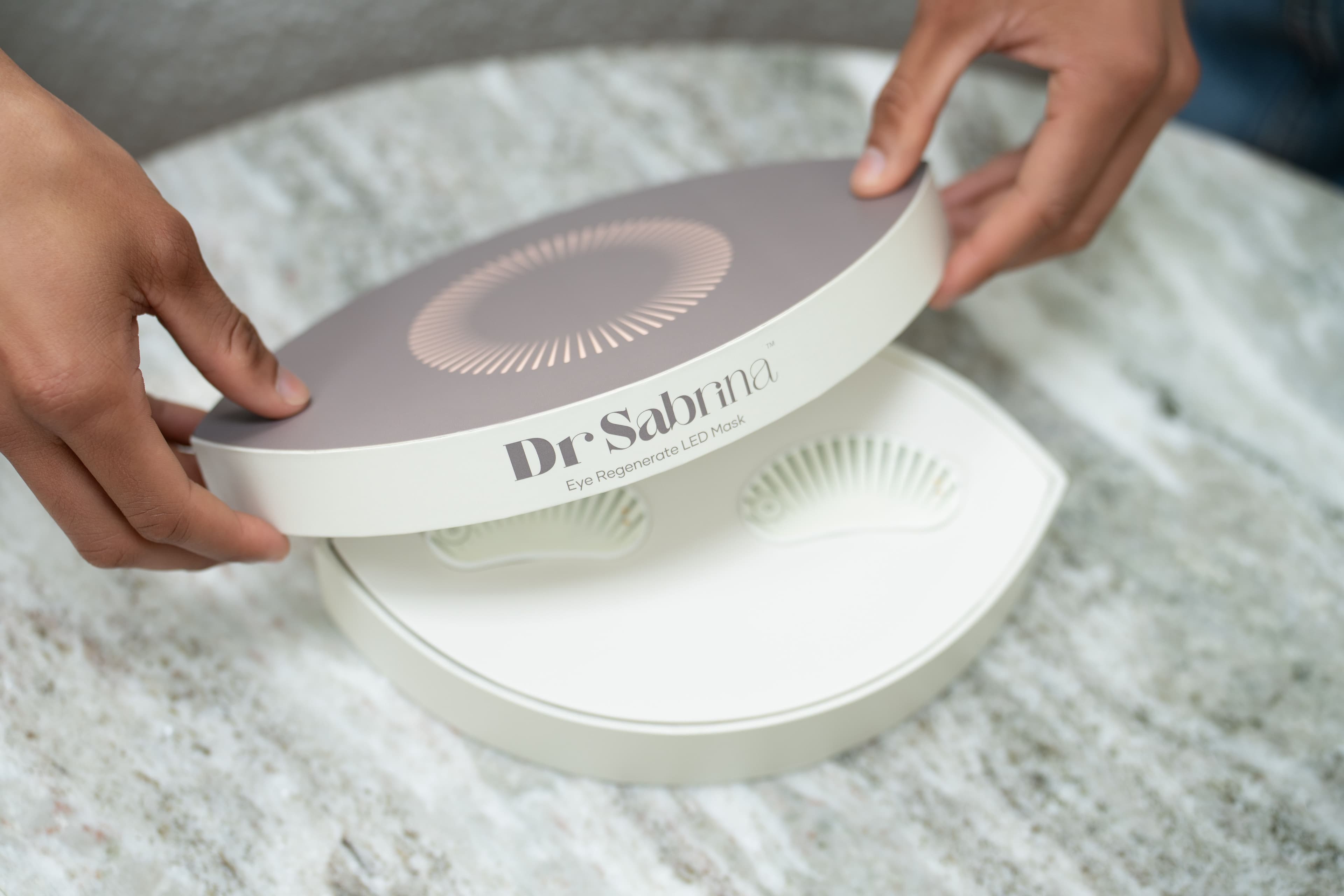
7. As a surgeon who has built a brand specifically addressing pigmentation concerns across all skin tones, how intentional was that inclusivity from the start, and do you think the medical aesthetics industry is genuinely changing or just paying lip service to diversity?
It was intentional from day one.
I work in London, where I treat patients from every ethnic background. If a product only works well for one skin type, then it's simply not good enough for my practice.
I think the industry has improved, but there is still work to do.
Historically, many clinical studies and product development programmes haven't reflected the diversity of the patients we actually see. That's changing, but we need more robust evidence across all skin types, not just more inclusive marketing campaigns.
For me, inclusivity starts with science.
8. Where do you see the periorbital care and aesthetic medicine space heading over the next five to ten years? And for Dr. Sabrina the brand, are there treatments, technologies, or communities you're looking to reach next?
I think we'll move away from simply trying to make people look different and focus much more on preserving tissue health.
We'll see greater integration between skincare, regenerative medicine, energy-based devices and surgery, with treatments becoming increasingly personalised rather than following a one-size-fits-all approach.
For Dr. Sabrina, my ambition has always been bigger than creating skincare.
I want to build the world's leading authority in periorbital health—bringing together education, evidence-based skincare, devices and clinical treatments under one trusted brand.
If patients think about caring for the skin around their eyes, I'd like Dr. Sabrina to be the name they immediately associate with expertise, not because we've shouted the loudest, but because we've earned their trust through science and clinical results.