
Beyond the Filter: Why "Undetectable" Is the New Beauty Standard
For years, a very particular look dominated aesthetic clinics: full lips, sculpted cheeks, a face built to match a screenshot rather than reflect the person underneath. That era is fading. In its place, a quieter, more grounded approach is taking hold, one where patients aren't chasing someone else's face but trying to find their way back to their own.
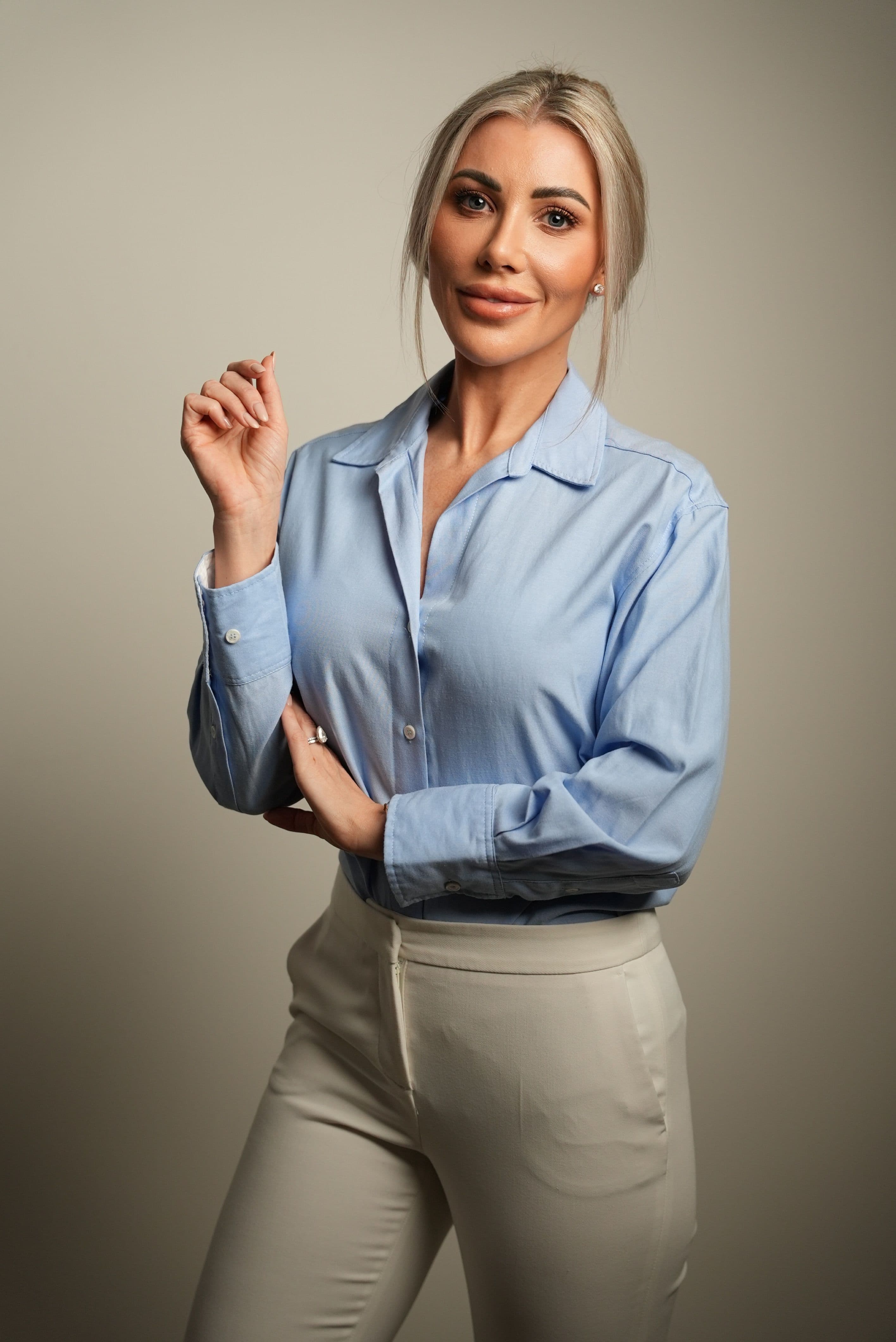
We sat down with Nurse Sarah Louise, a medical aesthetics practitioner with over fifteen years of clinical experience, to talk about this shift. She's spent her career watching trends rise and fall, but she believes what's happening now is different: less about vanity, more about self-recognition. In our conversation, she unpacks the psychology behind "filler blindness," why patients today are asking for restraint instead of transformation, and what it really means to help someone feel at home in their own face again.

1. You have been in medical aesthetics for over fifteen years. How would you describe the shift away from the Instagram face and toward a more natural, undetectable look?
The shift has been very significant, and frankly it is quite overdue. For the better part of a decade the aesthetic industry watched a very specific look become dominant; overfilled lips, heavy cheeks, and a very generic approach that flattened individual features rather than enhancing them! Patients would arrive with screenshots and the goal was replication rather than restoration or even rejuvenation. What I am seeing now is something genuinely different. Patients are arriving and asking me to help them look like themselves again, or just look good for their age, which was a conversation that would have been far less common ten years ago.
2. What do you think caused this change?
Social media fatigue is real; There is a point where a trend becomes so recognisable that it loses the thing that made it desirable in the first place. The Instagram face reached that point, and patients started arriving at clinics asking not for more of it but for the opposite of it. The brain normalises an image in less than ninety seconds, which means that every time a patient looks in the mirror after a treatment, what they see very quickly becomes their new baseline. That normalisation is what drives the gradual creep; the lips get a little fuller, the cheeks a little higher, the jawline a little sharper, and because the change happens incrementally and the brain adapts to each new version almost immediately, the patient genuinely cannot see how far they have moved from where they started. It becomes deeply addictive without ever feeling excessive in the moment. This is something I identified and documented years ago and have spoken about extensively under the term “filler blind”; the point at which a patient loses the ability to see their own face objectively and can no longer recognise how far their result has moved from their natural baseline. It is not vanity. It is neuroscience, and it is something the aesthetic industry has a clinical and ethical responsibility to understand and address. Thankfully, patient education has improved considerably; people understand more about anatomy, about what filler actually does inside the face over time, and more practitioners are acting more ethically by refusing treatment. I also believe celebrity influence has played a significant role in reversing the cycle, because when high profile figures publicly dissolve their filler and speak openly about preferring their natural features, it gives an enormous number of people permission to feel the same way.
3. When a new patient comes to you now, how has the conversation changed compared to five or ten years ago?
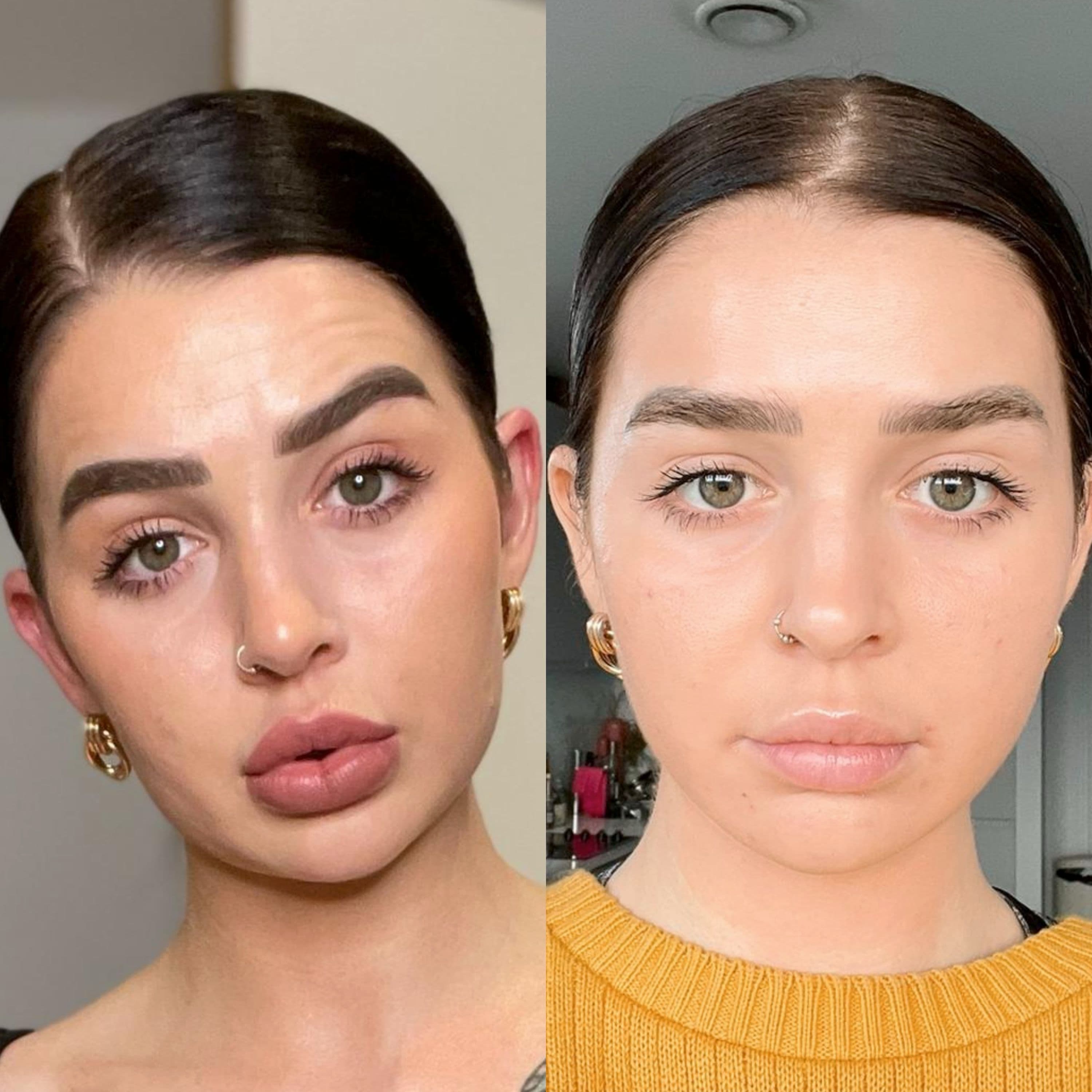
The most significant change is that patients are coming in with a much clearer sense of what they want to preserve rather than just what they want to change. Five or ten years ago the conversation was frequently driven by a reference image, often someone else's face, and the goal was to achieve a specific look. Now patients are more likely to say they want to look refreshed or like a better version of themselves, and they will openly state they chase the undetected look. One of the most powerful cases I have worked on recently captures this perfectly. A young patient came to me knowing she no longer looked like herself but genuinely not understanding why. She had only been having filler for two years, which is not a long time, but as she was an influencer she had been receiving treatments for free, which meant practitioners had simply kept filling without any structured treatment plan or any real assessment of cumulative effect. When I showed her what filler blindness actually looked like on her face, she was shocked. We made the decision together to dissolve and start again, rebuilding her treatment plan entirely around her own anatomy and natural features rather than around what had been added over time. The transformation was extraordinary, and more importantly she was ecstatic, not because she looked dramatically different but because she looked completely like herself again. That is the result that matters.
4. What does looking like the best version of yourself mean in practice?
Exceptional Aesthetics means the result should be undetected; anyone should be able to look at someone and identify that they have had a specific treatment; instead they should simply think that person looks exceptionally well. In practice it means starting every consultation by genuinely understanding the patient's facial anatomy and the aging process, not as a canvas for a predetermined outcome, rather building a treatment plan that works in harmony with their natural features. It also means addressing cultural differences, age related changes and working as a holistic approach rather than individual sections of the face.
5. What techniques or approaches do you use to achieve that fresher, more rested look?
Everything I do clinically is built around the SLA Refresh Treatment. This is a blueprint methodology I developed in 2018 for treating the face holistically and harmoniously. The principle is that the face should always be assessed as a whole rather than as a collection of individual concerns, because every area influences and relates to every other area. What I learned after treating thousands of patients is that you can do everything right in a single area and still get it completely wrong, because a face is not a collection of individual features and it is certainly not a two dimensional textbook. It is a whole, living, moving, individual thing, and it has to be treated as one. Technically right and genuinely beautiful are not always the same thing!
6. Where do you see the industry heading next?
I believe this is a lasting shift rather than simply the next trend in a longer cycle, and this is being driven by patient education rather than just aesthetic fashion. When patients understand their own anatomy, understand what treatments do to their tissue and structure over time, they make decisions based on their overall benefit. The industry will continue to evolve and there will always be trends, but I think the fundamental conversation has changed in a way that is structural rather than cyclical. Treatments are becoming more regenerative and enhancing rather than completely augmenting. The most exciting thing I see across the industry worldwide is patients choosing to invest in what their own body can do rather than what can be added to it. That is not a trend, it is a fundamental change in how people understand their own beauty.
7. How does this shift connect to self-esteem and body image?
This connects to something much bigger than aesthetics alone. People are genuinely more conscious of their mental health and overall wellbeing than they were even five years ago. They are thinking more carefully about what they eat, how they live, and how they feel about themselves from the inside out, and that shift in consciousness has naturally extended into how they approach aesthetic treatments. There is still an enormous reliance on social media for self-esteem and I would never pretend otherwise, because I see the impact of that daily, but alongside that there has been a meaningful shift in how people are choosing to use aesthetic medicine. Rather than chasing a look they have seen on a screen, more patients are coming to me wanting to feel more positive about the face they already have. They are using treatments to support their confidence rather than reconstruct their appearance, and that is an entirely healthier and more sustainable relationship with aesthetics than the one that dominated even a few years ago. When someone leaves my treatment room feeling like themselves again, that is not just a clinical result. It is a wellbeing outcome, and increasingly that is exactly what patients are coming for.
8. How do you help patients navigate the emotional relationship with how they see themselves change over time?
By slowing the consultation down and making space for that conversation to happen before any clinical assessment begins. Understanding why a patient wants to change something, what they are hoping to feel rather than just what they are hoping to see, and understanding what their relationship with their own appearance is as important as understanding their anatomy. The most important thing I can do in a consultation is help a patient feel genuinely understood rather than processed, and that requires time, genuine attention, and the willingness to sometimes say that what they are asking for is not what they actually need. Aesthetics at its best is not about changing who someone is, I strongly believe it is about helping them feel at home in the body they already have.