
AlUla’s Rawis Showcase New Model for Cultural Exchange in Washington, D.C.
Bringing ancient Saudi traditions of intercultural dialogue and immersive storytelling to Washington, D.C., AlUla’s Rawis – meaning “storytellers” in Arabic and a title for the destination’s cultural ambassadors – concluded a milestone residency at the Smithsonian’s National Museum of Asian Art (NMAA) in Washington, D.C.

Demonstrating a new paradigm for how global destinations share their living history, Rawis Atif Albalawi and Wedad Yaseen hosted a series of public storytelling sessions, interactive workshops, and professional exchanges at the museum capital of United States of America last week. The week-long Rawi in Residence programme saw 159 museum visitors, academics, docents, and cultural peers engage directly with AlUla – an ancient oasis city in north-west Saudi Arabia with more than 200,000 years of human history and 7,000 years of continuous civilisation.
The residency in Washington represents the latest stop in an international tour for the cultural ambassadors. Following successful engagements at the UNESCO Pavilion at the Venice Biennale, UNESCO Headquarters in Paris, and the Forbidden City in Beijing, this latest appearance emphasises AlUla’s growing international footprint as a pioneer in human-centred heritage interpretation.
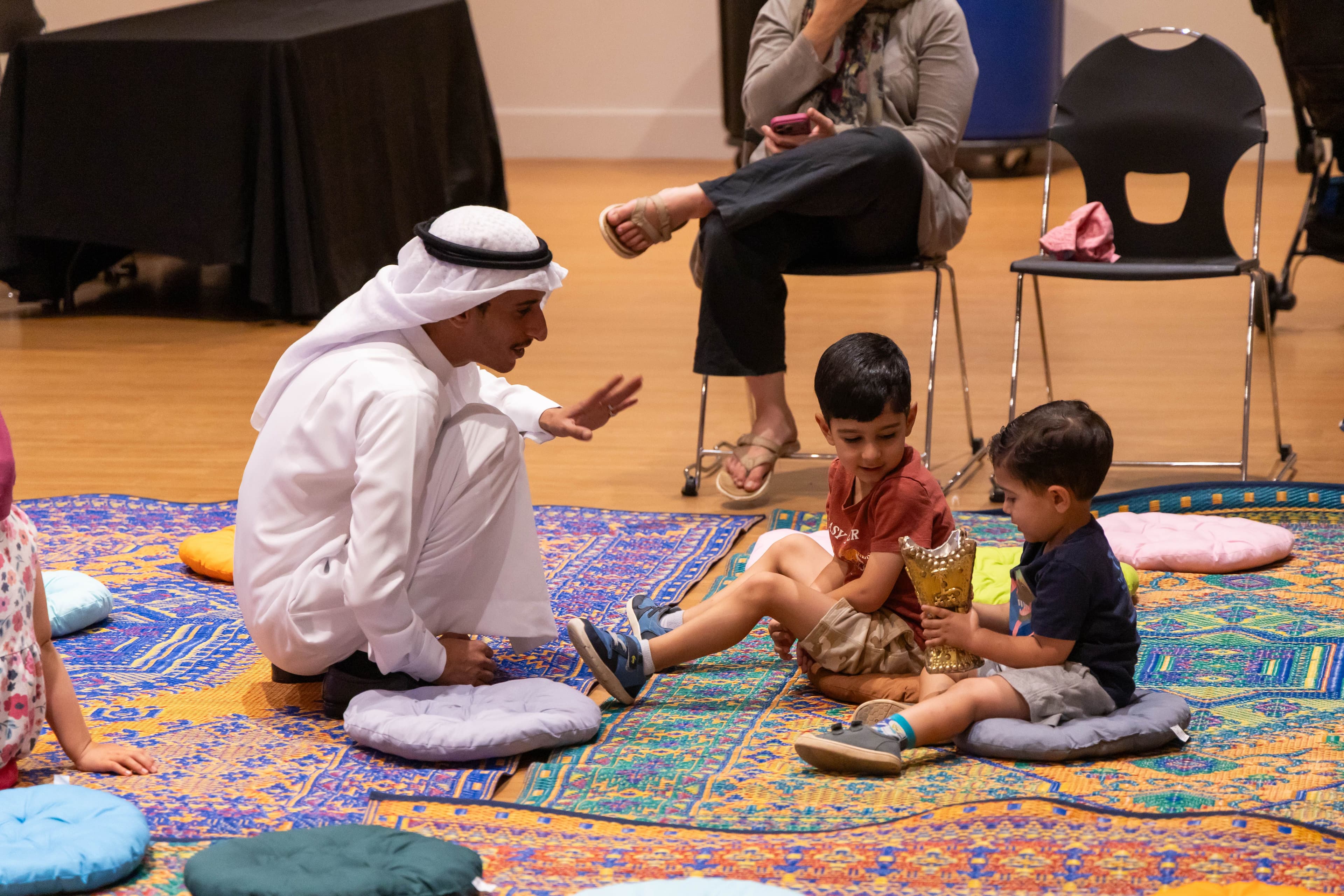
The programme offered attendees a unique, human-centred approach to exploring the destination’s heritage as the heart of the Incense Road, an ancient and vast trade network of goods, ideas and cultures spanning from southern Arabia to the Mediterranean, North Africa, Mesopotamia, the Indian Ocean and beyond. Central to this was Qissa bi Qissa – Arabic for ‘Swap a Story’ – an innovative cultural exchange format created in collaboration with UNESCO.
Based on the ‘Live Museum’ model, the experience uses objects, such as traditional incense burners and coffee pots, to facilitate dialogue around universal themes of trade, family, migration, and memory. Across three intimate Qissa bi Qissa sessions, 38 participants traded personal histories, bringing the spirit of the Incense Road into a contemporary setting.
The residency included a public lecture, ‘AlUla and the Incense Road: An Ancient World in Dialogue,’ during which 97 attendees explored the destination’s legacy as a bustling crossroads of ancient civilisations. ‘Once Upon an Incense Road’ also introduced families and younger generations to AlUla’s stories and its role along the historic trade route.
Beyond public engagement, Atif and Wedad led specialised workshops with 24 NMAA professionals, including interns and docents. These sessions explored modern interpretation techniques, demonstrating how front-line storytellers can turn one-way lectures into meaningful dialogue that resonate with visitors.
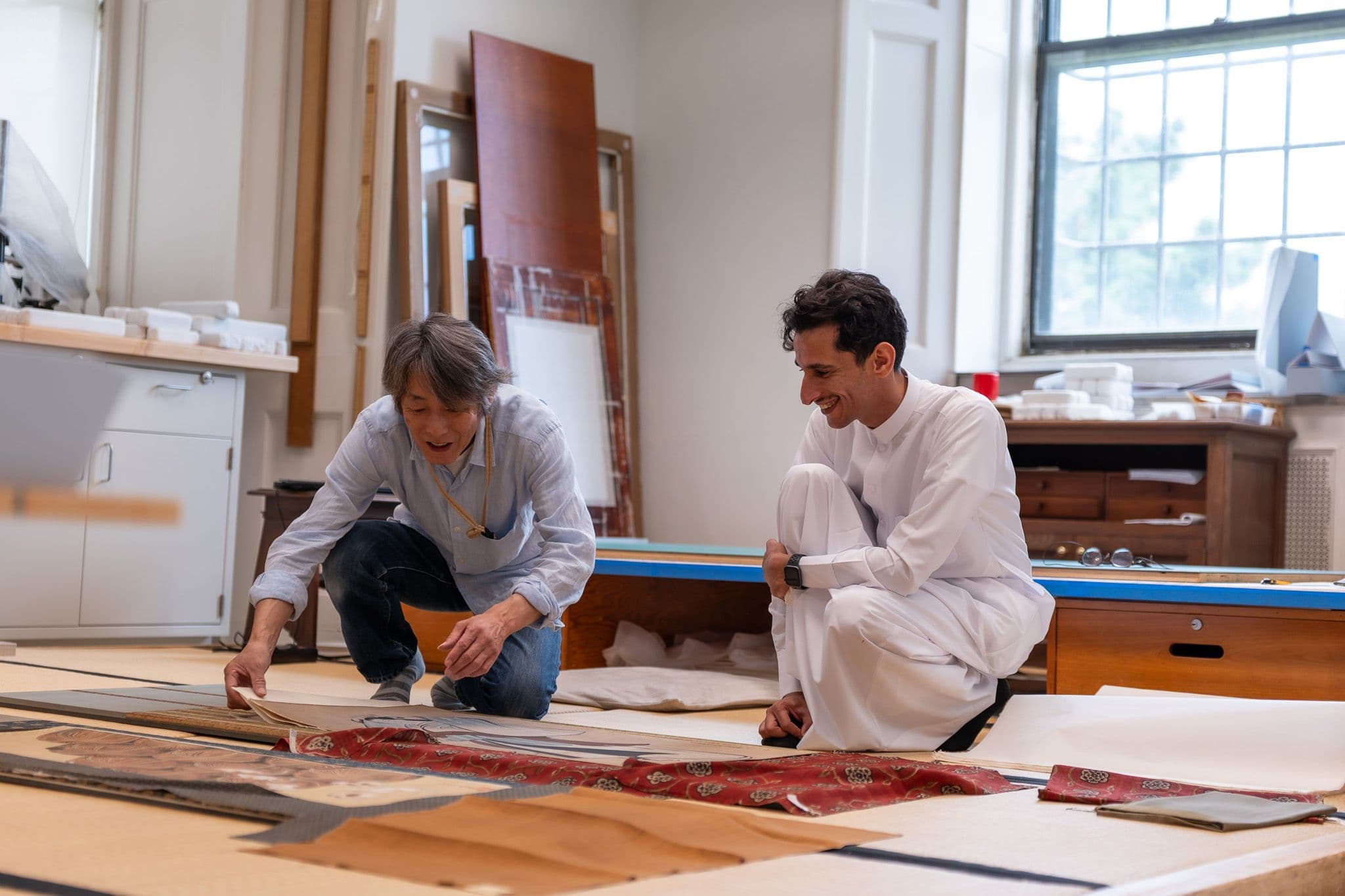
“AlUla is cultivating its own unique approach to cultural interpretation – one deeply human and rooted in shared discovery and long-standing oral traditions,” said Phillip Jones, Chief Tourism Officer at the Royal Commission for AlUla. “The outstanding response to our Rawi in Residence programme demonstrates how powerfully such Saudi-born initiatives resonate with international audiences. Amid accelerated digital transformation, people seek authentic human interaction and meaningful connection. I’m immensely proud to see our Rawis building these bridges on prestigious stages and championing AlUla’s living heritage around the world.”
The success of the residency reflects evolving consumer priorities in global travel and cultural experiences. A Royal Commission for AlUla (RCU) survey found that 71% of travellers seek authentic and immersive cultural experiences. By placing Rawis at the heart of the visitor experience, AlUla deliberately meets this growing demand for meaningful personal connection.
Rawis combine local knowledge, oral heritage, archaeological research, and human-centred interpretation to connect audiences with the stories of AlUla’s landscapes, sites and communities. Through their work, Rawis support a model of engagement that moves beyond one-way storytelling, creating spaces for dialogue, shared discovery and deeper connection with cultural heritage.
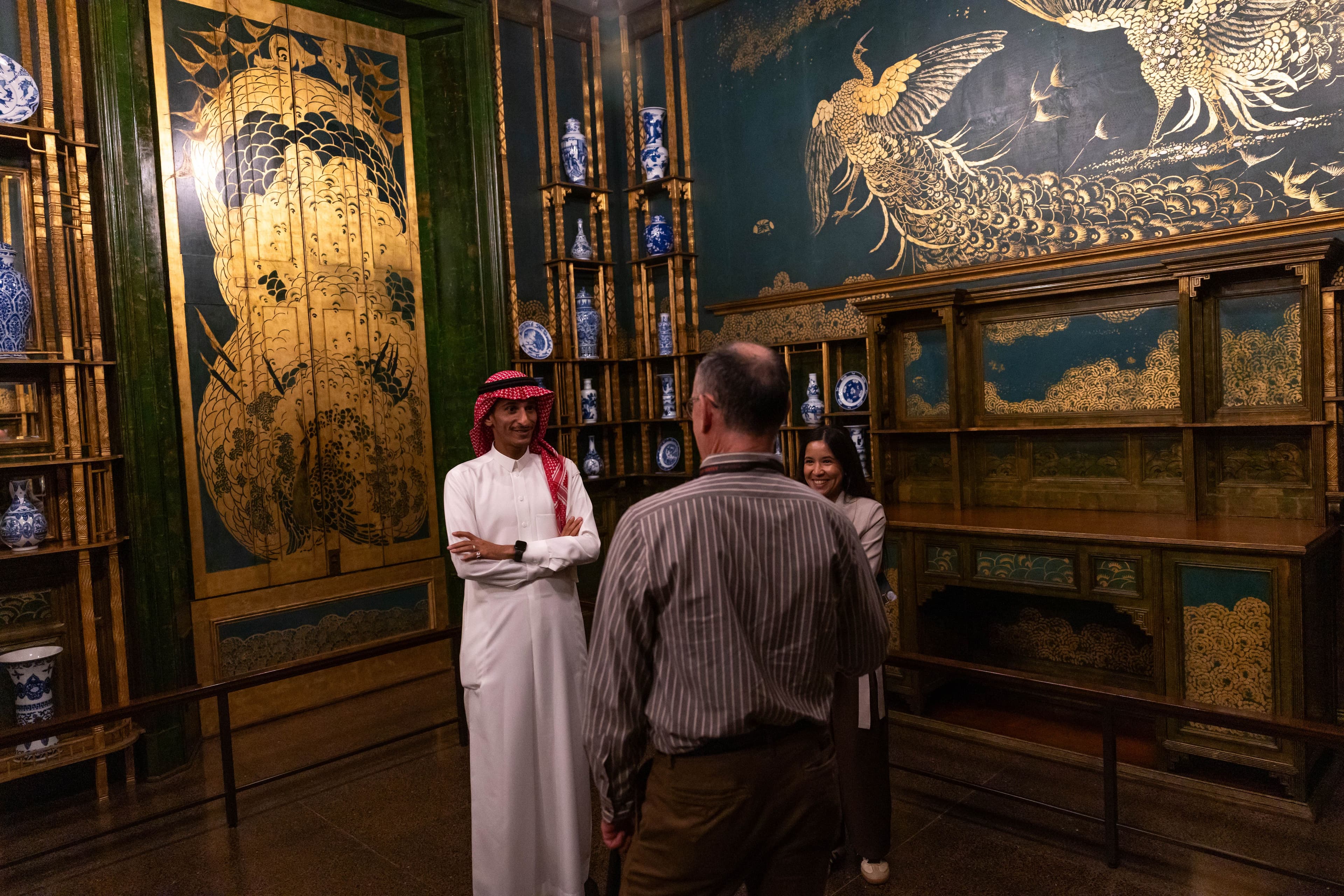
The Rawi in Residence programme is part of the ongoing collaboration between the RCU and the NMAA. In-AlUla missions by the museum’s leadership helped establish a shared understanding of interpretation, learning and visitor engagement, while strengthening institutional relationships through immersive, place-based exchange. These visits informed the co-development of the Rawi in Residence concept and creating a foundation for ongoing collaboration in public programming, intercultural dialogue, and museum practice.
Following its global tour, the Qissa bi Qissa model will return home to AlUla, where it will launch later this year as a bookable public experience for visitors exploring the destination’s iconic heritage sites, including Hegra, Dadan, Jabal Ikmah, and AlUla Old Town.
To learn more about AlUla, visit experiencealula.com.